
Plant Profiles
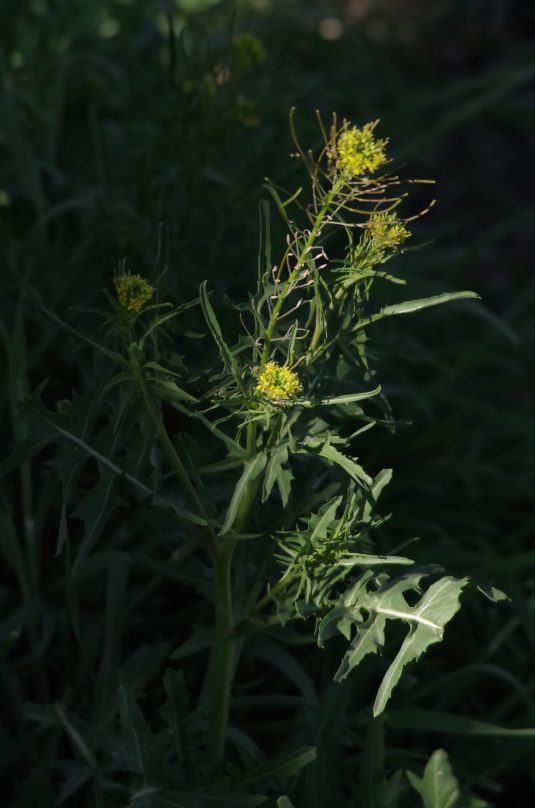
Plant Profile: Wild Mustard
Botanical Name: Sisymbrium irio Family: Brassicaceae Common Names: Wild Mustard, London Rocket Southwest Habitat: Between 1,000’ and 7,500’ - the growing season depends on the elevation. While not native to North America, it is widespread and commonly found in disturbed soil. This is a plant found along trails during Sonoran winter hikes, under juniper trees in the Verde Valley in the spring. Around Flagstaff, it can be found near many trail heads and parking areas in the Ponderosa forest once the monsoons take effect in July and August. An annual, once established it reliably returns each year. Energy & Tastes: […] See More
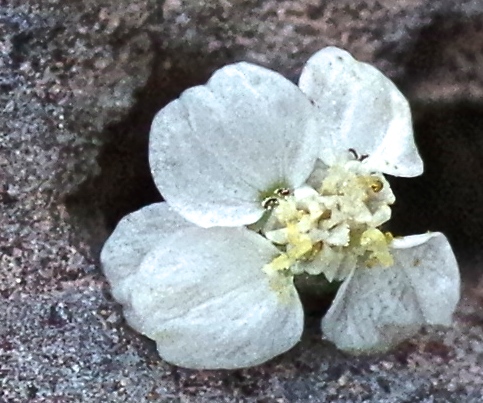
Yarrow (Achillea millefolium) Monograph
Achillea millefolium, commonly known as yarrow, was chosen by Lily James for the final research project in the Foundations program. Her paper is available at the link below. Yarrow - Achillea Monograph See More
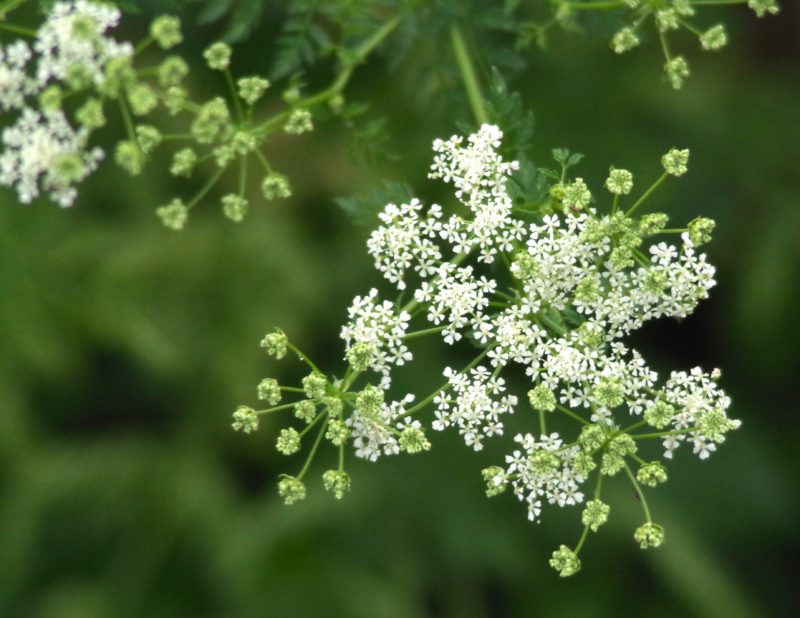
Plant Profile: Poison Hemlock
Whether foraging for greens or wildcrafting herbs, knowing the few toxic plants in one's environment is essential. Poison hemlock is a potentially deadly plant that is frequently encountered in the forests and meadows of northern Arizona. This article and collection of photos is meant to help you identify this plant in your outdoor explorations and have a safe experience. Botanical Name: Conium maculatum Plant Family: Apiaceae, formerly known as Umbelliferae. Common names for this family include the Carrot or Parsley Family Common Name: Poison Hemlock, this plant has no relation to the evergreen Hemlock tree. Other names include Deadly Hemlock, […] See More
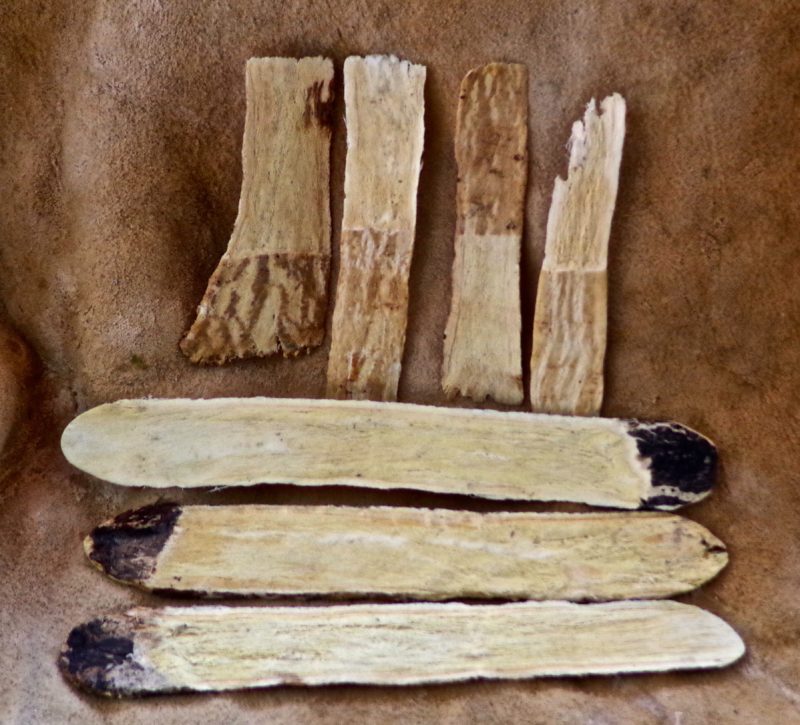
Plant Profile: Astragalus Root
Botanical Name: Astragalus membranaceous Family: Fabiaceae Common Name: Astragalus Huang Chi - Mandarin Primary Characteristics for Field ID: Some species in the Astragalus genus are native to the Southwest but they cannot be substituted for this Chinese species. Part Used for Medicine: Root Habitat in Which it is Found/ Harvesting Season/ Special Considerations: The sliced root should have a yellow interior and resemble a large tongue depressor. The older and bigger, the better. Avoid cut/ sifted as one cannot tell the size of the original root. The larger roots need to be grown more years so top quality is moderately […] See More
Final Research Project: Goldenseal
I am pleased to share a final project research paper from a recent graduate of the 9 month "Foundations of Herbal Medicine" program. This student has chosen to remain anonymous but would like to publicly share the project. Goldenseal - Hydrastis canadensis Prepared by ... Foundations of Herbal Medicine The Forager’s Path School of Botanical Studies Botanical Name: Hydrastis canadensis Common Name: Goldenseal Family: Ranunculaceae, Buttercup Family Energetics: Cooling, Bitter, Drying Part Used: Rhizome and root Biochemical Constituents: Hydrastine, berberine, resin, traces of essential oil, chlorogenic acid, albumin and sugar Description: Goldenseal (Hydrastis conadensis) derives its name from two Greek […] See More
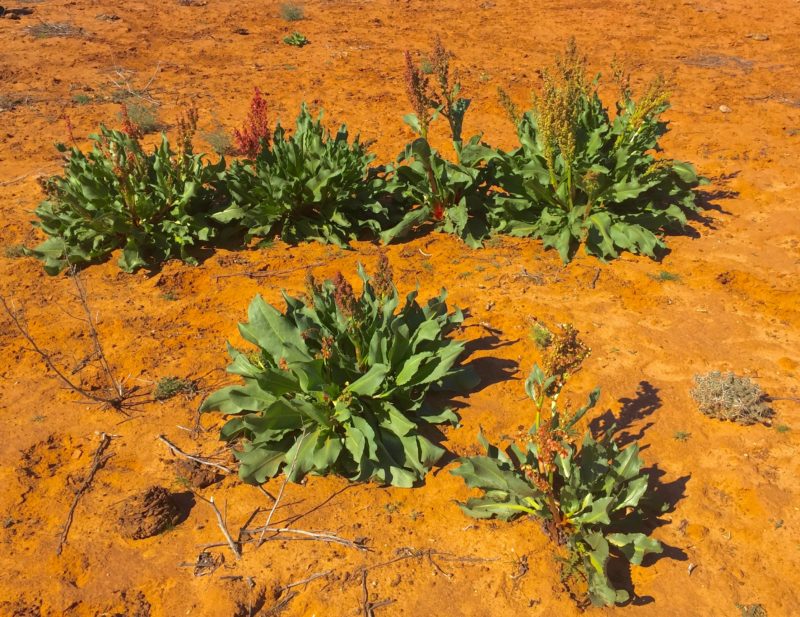
Plant Profile: Desert Rhubarb
Botanical Name: Rumex hymenosepalus Family: Polygonaceae Common Names: Red Dock, Desert Rhubarb, Wild Rhubarb Part Used for Medicine: Tubers Habitat in Which it is Found/ Harvesting Season/ Special Considerations: It is found in sandy areas between 3,000’ and 6,000’. Common in the Verde Valley and the many sandy areas around Page, Arizona. The farthest north I have encountered it is near Moab, Utah. This is a plant that is out of sight for much of the year, surviving the heat of summer by retreating underground into its moist tubers. In northern Arizona, it grows above ground in March and April […] See More
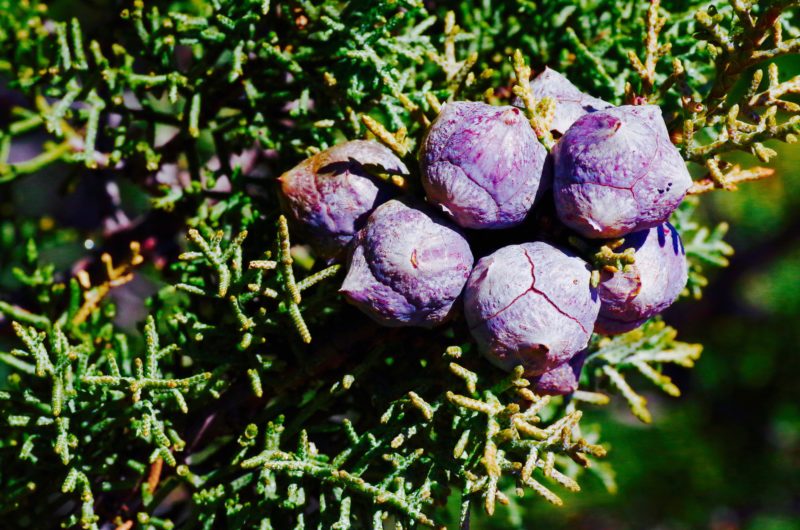
Plant Profile: Arizona Cypress
Botanical Name: Hesperocyparis arizonica or Cupressus arizonica Family: Cupressaceae Common Names: Arizona cypress Primary Characteristics for Field ID: Some folks say it resembles juniper. I look for two differences here. The cypress is a bluish green and comes to a point at the tree top while a juniper has a deeper green foliage and its overall silhouette is rounded. They are both in the Cypress family. Part Used for Medicine: The fresh growth of the foliage on branch tips in spring and early summer. Habitat in Which it is Found/ Harvesting Season/ Special Considerations: Grows in the 3,000’ to 6,000’ […] See More
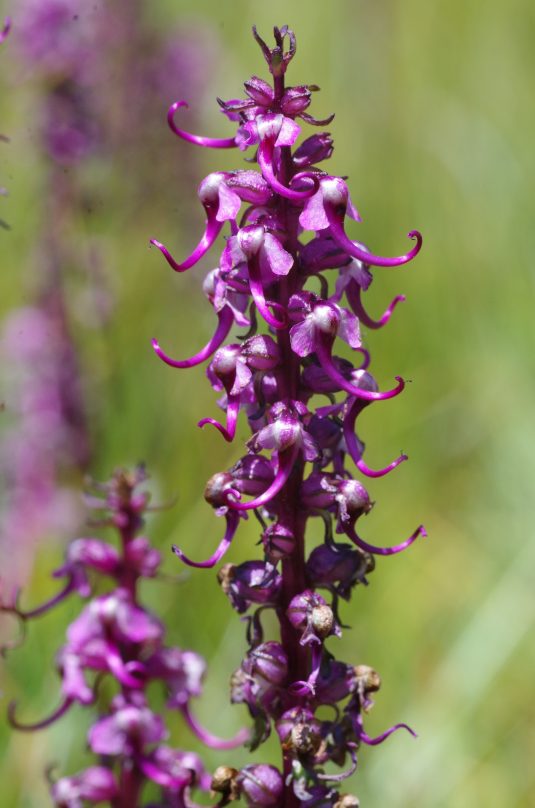
Final Research Project: Pedicularis
I am pleased to share the final research project from the "Foundations of Herbal Medicine" course. Written by Karen Mee, this paper provides an in-depth view of a lesser known herb, Pedicularis. pedicularis spp See More
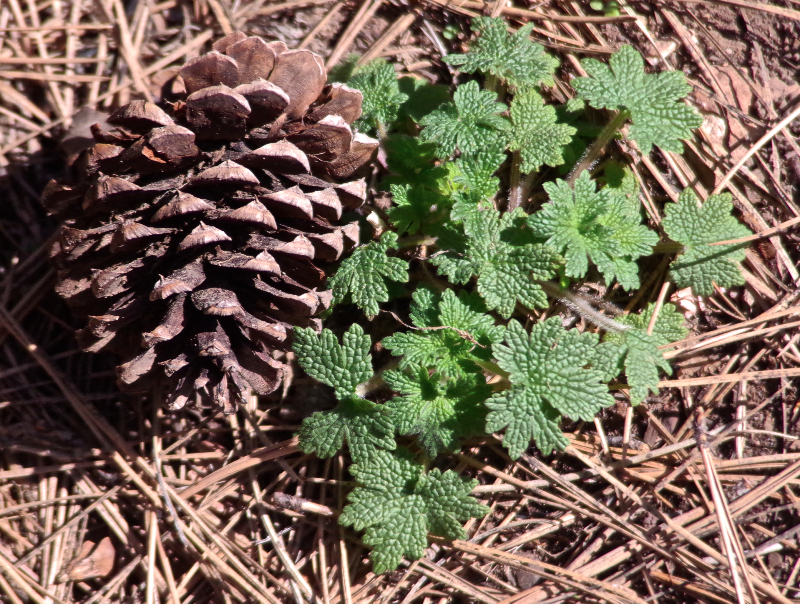
Plant Profile: Motherwort
Botanical Name: Leonurus cardiaca Family: Lamiaceae Common Names Motherwort Primary Characteristics for Field ID: A classic example of the mint family’s square stem and opposite leaves. The square shape of the large stem on this plant has helped many a student remember the mint family. Part Used for Medicine: Leaves and flowers. The stems are thick enough that it is worth the time to sort these out. Southwest Habitat: It likes disturbed soil and where there is a bit more moisture than usual in the Ponderosa forest. Look in or near the usually dry drainages and in partial shade. It […] See More
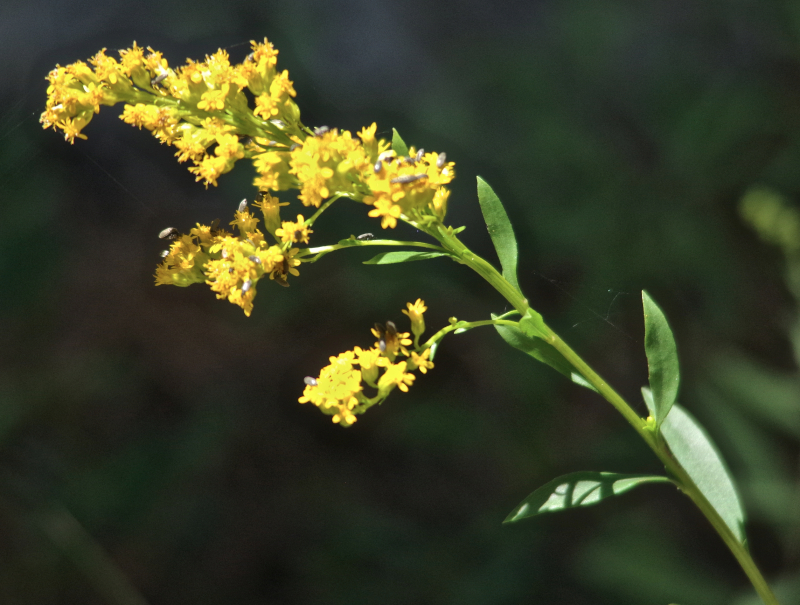
Plant Profile: Goldenrod
Botanical Name: Solidago altissima There are many other species in this genus. Family: Compositae Common Names: Goldenrod As this is a widespread plant in many areas of the world, there may be other common names. The herb community (almost) always refers to it as either Solidago or Goldenrod. Part Used for Medicine: Leaves and flowers Habitat in Which it is Found/ Harvesting Season/ Special Considerations: There are many species of Solidago in both the American Southwest and North America in general. A very common plant in the ponderosa forest and its many drainages. It is also very common along […] See More