
Educational Resources
Pre-requisites for “Advanced Topics in Herbal Medicine”
The “Three Weekend Intensive: Advanced Topics in Herbal Medicine” is a course that begins where most introductory programs end. This course assumes that students have completed either an introductory course in herbal medicine or done extensive independent study in order to have a working knowledge of several basic foundation skills for practicing herbal medicine. The term working knowledge means experience with actually applying these concepts while using herbs with oneself and other people. It goes beyond theoretical or book knowledge. Having working knowledge in the following areas allows you to benefit from the Advanced Topics in Herbal Medicine program: - […] See More
A Master Herbalist?
The word Master often gets thrown around in regards to different occupations and skills. Master carpenter, chef, teacher, herbalist, etc. Everyone want this title but few have earned it. It is usually applied more for ego or marketing rather than actual skills and experience. It’s an issue in the herb community where there are no official titles so folks can call themselves whatever they want. I have thought about what it truly means to be a Master. For me, it is someone who can sit down and, in their field of expertise, begin talking, rambling, storytelling, waxing nostalgic, doing a […] See More
It’s Alterative, NOT Alternative!
This category includes herbs that are well known and frequently used in Western Herbalism. The definition of this category is poorly understood. These herbs are often misused because the energetics are ignored. These herbs are often grouped under the vague terms of Detox or Blood Cleanser. What They Are Herbs that support and open the channels of elimination in the body. Our bodies need to eliminate both outside toxins and normal metabolic wastes such as hormones, cellular debris and immune system waste products. Five Primary Organ Systems Involved in Moving Wastes from the Body Lungs - remove carbon dioxide from […] See More
Monthly Payments – 2026 Family Herbalist Program
Before you go any further, let's have a brief chat...This program is for sincere students. (I used the word sincere rather than serious. Levity and a sense of humor help both the learning and the healing processes.)These are people who are committed to learning a craft and a healing tradition to improve your health and that of your family.Becoming skilled in this craft requires time and dedication.This includes calendar and clock time.This includes heart and brain time.The path of acquiring the skills of herbal medicine is life changing for many. Not just for this school but for connecting to […] See More
Cranberry Relish Recipe
November is the time of year when fresh cranberries are readily available. This fruit, native to North America, is a member of the Heath family which connects it to our local Manzanita along with Uva Ursi and blueberry. It is also very high in antioxidants, specifically flavonoids, which makes this especially good for the Cardiovascular System. The following recipe is a healthier and more flavorful version of the canned jelly often served this time of year. All portions are approximate - creative substitutions are encouraged. Ingredients *One bag of fresh cranberries *One organic orange with the peel still on. Orange […] See More
Mike’s Wood Stove Winter Root Dish
This is a dish, especially for winter, easily made on a wood stove or baked in a conventional oven Mike's Winter Wood Stove Root Dish Use a cast iron fry pan, 12 inches in diameter. Get a variety of winter root veggies. There are many possibilities and I have used beets, garlic, carrots, ginger, onions, Jerusalem artichokes, turnips, potatoes, sweet potatoes and yams. Burdock and fresh turmeric root can also be used and are best grated rather than cubed. Although not roots, a variety of winter squash can also be added. Butternut and Kabocha are two favorites. Cut veggies into […] See More
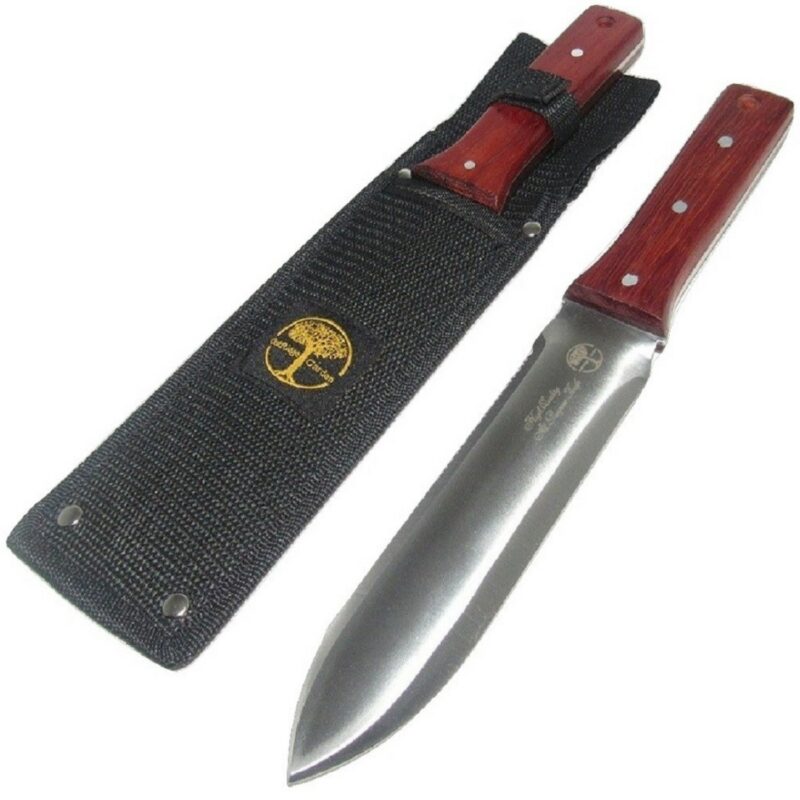
Tools for Wild Crafting
Here is a list of tools used for the vast majority of the harvesting, gardening and general plant collecting I do for my clinic, the herb school and personal reasons. Keep in mind the variables involved with choosing this type of tool collection. These variables include:1. Personal preference and budget2. Plant parts collected - bark, leaves, roots3. Soil type - sandy, rocky, gravel, mud4. Do you have ready access to a vehicle or are you hiking long distances to the desired plant collecting area?An important feature of my personal tool kit is that it is portable and can be carried […] See More
How to Make Herbal Tea: Infusions and Decoctions
Water Extraction“Tea”- Infusions and Decoctions The word tea refers to the plant (Camilla sinensis) commonly known as the tea bush. Many types of tea come from this bush including black, green, Chinese, Darjeeling and others. In everyday English, tea is used to refer to many hot water beverages made with a variety of plants. These are more accurately labeled infusions and decoctions. While it is possible to use fresh herbs for tea, this beverage is customarily prepared with dried plant matter. The drying and wetting of plant matter works to break down the internal structure of the plant, releasing its […] See More
How to Find Food and Medicine Plants When Exploring a New Environment
Know the Water SourcesThese may be springs, seeps, tanks, ponds, seasonal run-offs or perennial streams.In arid country, both the diversity and quantity of flora increase near water.Explore canyon bottoms.There are many arroyos and mostly dry drainages in arid country.Even these areas that appear bone dry most of the year, they receive extra precipitation from snowmelt runoff and summer monsoons.These low points are cooler and wetter because they are in shade for greater periods each day and cooler air sinks.An area may have aspen along the drainage bottom with yucca, piñon or cactus just a few feet higher in full sun.Know […] See More
Tincture Making: Macerations
Tinctures can also be called : Alcohol-Water Extractions or Hydro-Ethanol Extracts Vocabulary1. Menstruum - any fluid used to extract therapeutic properties from plants. Usually a water-alcohol mix.2. Marc - the herb being extracted3. Maceration - the soaking of the marc in the menstruum. The final product will be a mixture of water and alcohol. This is used because some chemical constituents are water soluble and some are alcohol soluble. When using fresh plants, the juice of the plant provides the water so pure alcohol (Everclear) is added. When using dried herbs, the plant has no moisture so the menstruum must […] See More