
Bushcraft & Wilderness Survival
Cooking on a Wood Stove
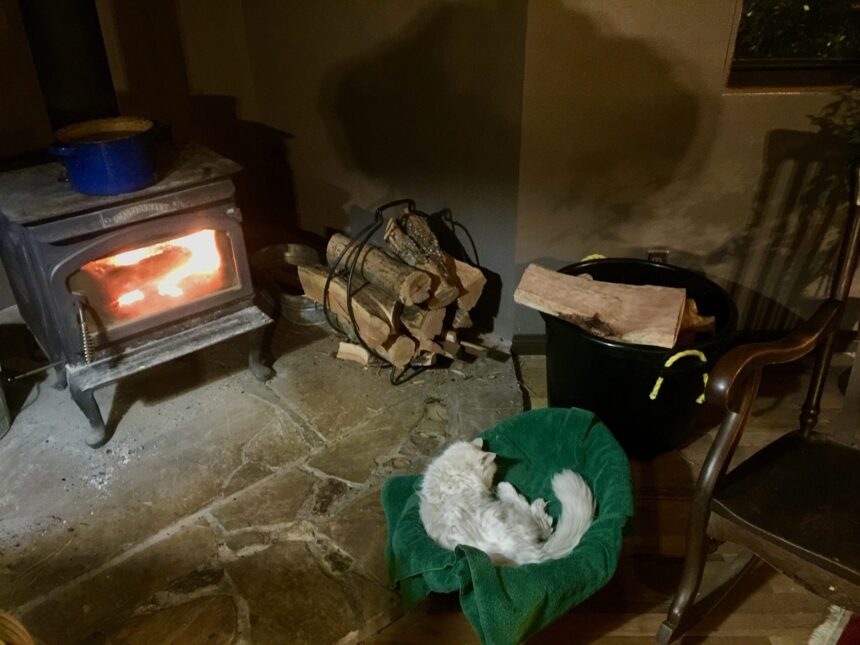
The first major snow of the winter is around the corner and our wood stove is doing its job keeping us and our kitties toasty warm. Over the past several winters, we have been cooking more and more with wood to the point where we actually use less propane with the kitchen stove in the winter than we do in summer. Many of our dishes are spontaneous, depending on what is available.The measurements are visual; there is lots of leeway with this style of cooking. Here is what we made today:In a cast iron fry pan, pour in some olive […] See More
Foraging in Old Orchards
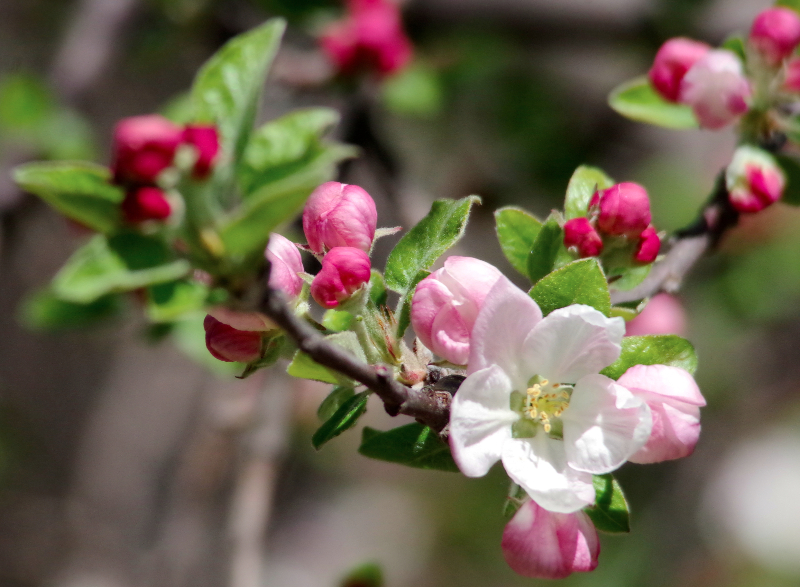
Many people come to classes wanting to know of the wild foods available in the backcountry. It is easy to overlook an abundant source that may be nearby. We just harvested two huge backpacks worth of delicious organic, wild(?) apples from some long ago forgotten trees back in the woods. They may not be truly a 'wild' food, but they were certainly a bit more feral than the cardboard-tasting varieties found at the supermarket. Although this happened in the high country of Arizona, it reminded me of childhood feasting in Ohio on pear, apple and cherry trees from abandoned homesteads, […] See More
Ayurveda and The Grand Canyon
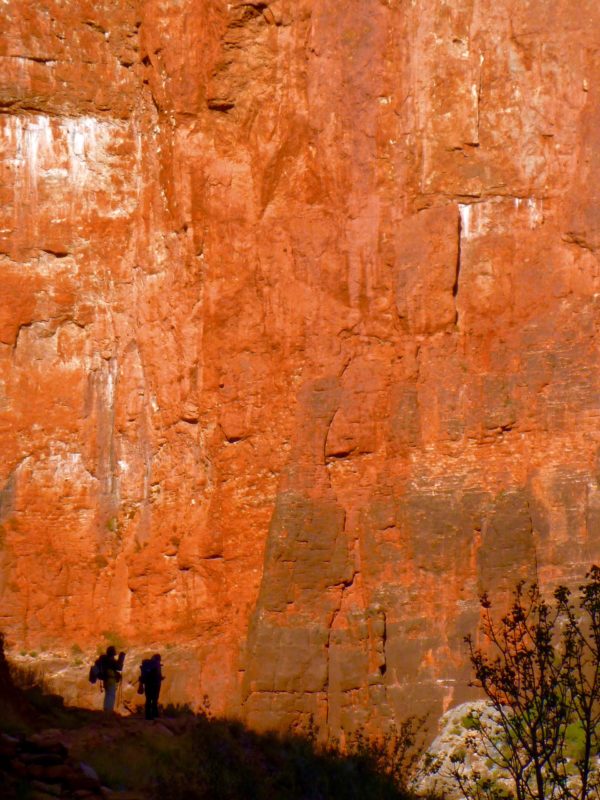
I recently completed guiding a week-long trip to the bottom of the Grand Canyon for our local university. As we happened to be hiking during the wettest and stormiest weather of the past several months, Water quickly became the theme of our trip. It got me thinking about how this all relates to the Element of Water in the Ayurvedic view. Ayurveda recognizes the 5 Elements as Space, Air, Fire, Water and Earth. Each has an essential role to play in our lives and our health. Too much or not enough of any element creates imbalance and eventually disease. During […] See More
Plant Profile: Wild Greens
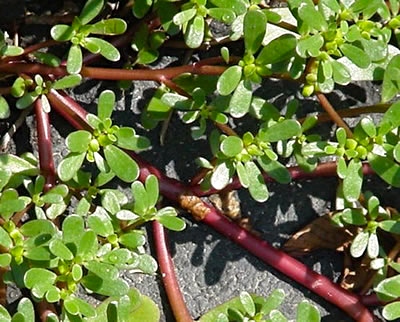
Why We Should Eat Wild Greens As a group, wild greens are higher in nutrition than domestic produce grown on farms. This is true even for organically grown produce. The generations-long process of domesticating a plant involved selecting for a specific size, color, flavor or ripening date. This happened at the expense of reduced fiber and nutrition, specifically vitamins and minerals. See this chart for specific data in this area. They are free, making high quality produce affordable for anyone. They are “unofficially organic” if harvested from clean places in nature. They are abundant in many areas and life zones […] See More
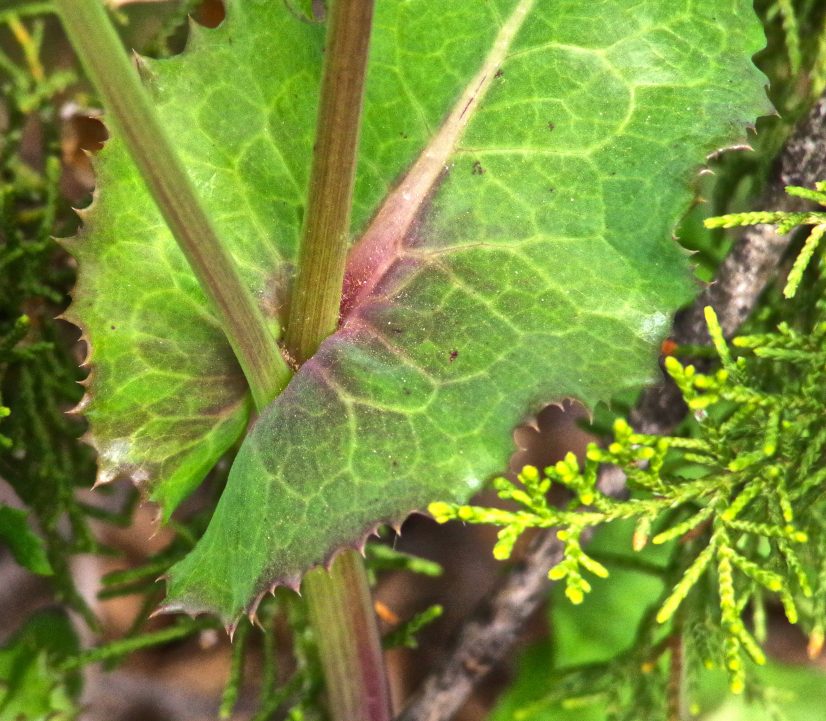
Wild Greens for the Community Herbalist: Sow Thistle
Botanical Name: Sonchus oleraceus Family: Compositae Common Names: Sow Thistle Primary Characteristics for Field ID: The flower closely resembles a dandelion. The leaves are whorled. An annual. Part Used for Food: The leaves and tender portion of the stems Habitat in Which it is Found/ Harvesting Season/ Special Considerations: This plant likes disturbed soil so is found near foot traffic and trails. Look for it where there is some extra moisture and shade from cottonwoods between 3,000’-5,000; in the Verde Valley, around Sedona and at similar elevations in the Grand Canyon. Mostly a spring annual, it is rare in other […] See More
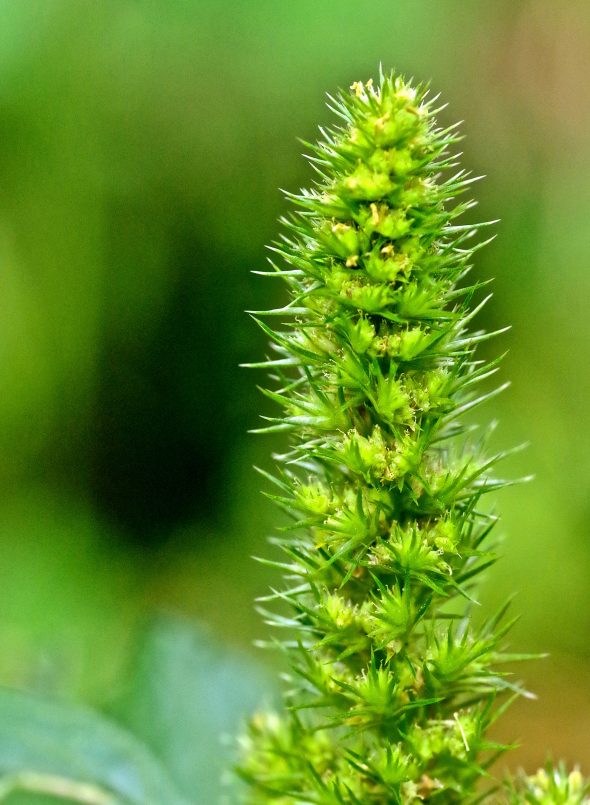
Plant Profile: Amaranth
Botanical Name: Amaranthus retroflexus is very common and 60+ spp. worldwide Family: Amaranthaceae Common Names: Pigweed Primary Characteristics for Field ID: Leaves are lanceolate and alternate along the main stem. Stems are red. Part Used for Food: Fresh leaves and young tips of stems. Older leaves and stems are either bitter, stringy or fibrous. Cultivated amaranth is grown for its large seed heads and is much larger than the wild species referred to here. Habitat in Which it is Found/ Harvesting Season, Special Considerations: Amaranth is widespread around the world. It likes disturbed soils and is often the weed that […] See More
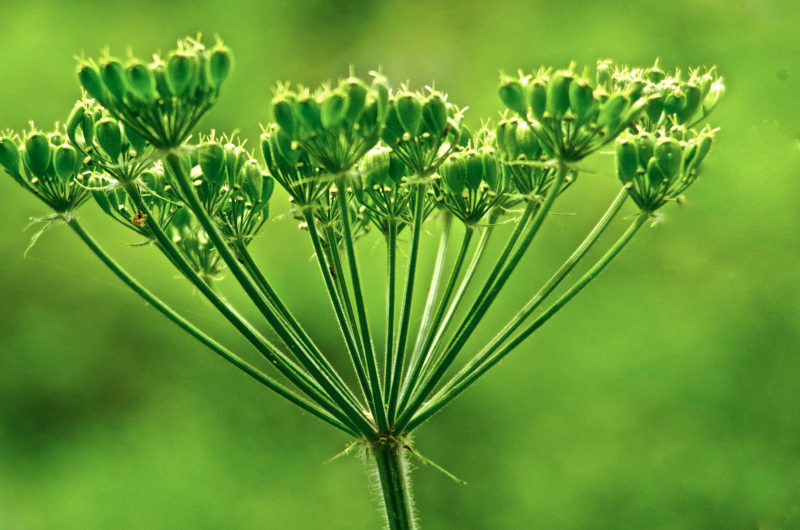
Apiaceae for Herbalists
The common names for the Apiaceae family are either the carrot or parsley family. The old family name was Umbelliferae; some books still show this and occasionally botanists still use this older name out of habit. This is an *extremely* important family to know. One reason is that it has abundant herbs, spices and foods. A more important reason is that two of the deadliest poisonous plants in North America are in this family. The bottom line is: do not wildcraft, handle, nibble or use any plant in this family until and unless you are absolutely sure of its identity. […] See More
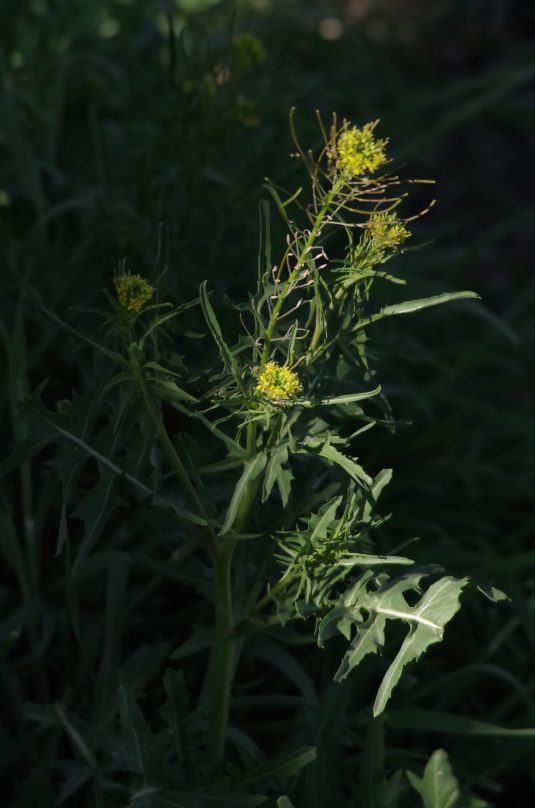
Plant Profile: Wild Mustard
Botanical Name: Sisymbrium irio Family: Brassicaceae Common Names: Wild Mustard, London Rocket Southwest Habitat: Between 1,000’ and 7,500’ - the growing season depends on the elevation. While not native to North America, it is widespread and commonly found in disturbed soil. This is a plant found along trails during Sonoran winter hikes, under juniper trees in the Verde Valley in the spring. Around Flagstaff, it can be found near many trail heads and parking areas in the Ponderosa forest once the monsoons take effect in July and August. An annual, once established it reliably returns each year. Energy & Tastes: […] See More
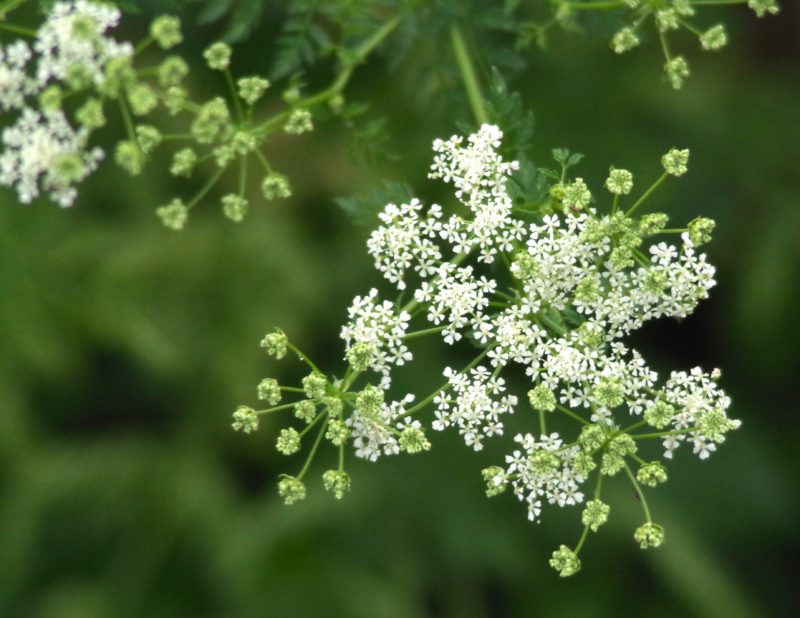
Plant Profile: Poison Hemlock
Whether foraging for greens or wildcrafting herbs, knowing the few toxic plants in one's environment is essential. Poison hemlock is a potentially deadly plant that is frequently encountered in the forests and meadows of northern Arizona. This article and collection of photos is meant to help you identify this plant in your outdoor explorations and have a safe experience. Botanical Name: Conium maculatum Plant Family: Apiaceae, formerly known as Umbelliferae. Common names for this family include the Carrot or Parsley Family Common Name: Poison Hemlock, this plant has no relation to the evergreen Hemlock tree. Other names include Deadly Hemlock, […] See More
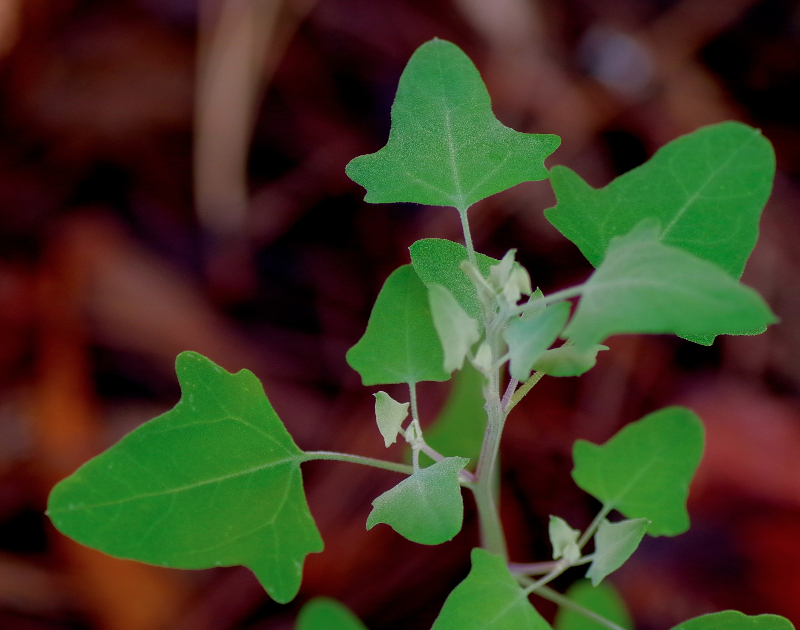
Plant Profile: Chenopodium album
Botanical Name: Chenopodium album Family: Chenopodiaceae Spinach, beets, chard and quinoa are also in this family Common Names: Goosefoot, Lambsquarters Primary Characteristics for Field ID: The leaves are in the shape of a goose's foot which helps with the field ID for a non-botanist. Part Used for Medicine: Fresh leaves and fresh tips Habitat in Which it is Found/ Harvesting Season/ Special Considerations: Very common in the southwest from 3,000’ up to 7500’. It is abundant in the Verde Valley and up through Sedona, Oak Creek Canyon and the Ponderosa forest around Flagstaff. Look for it wherever soil has been […] See More