
Recipes & Formulas
It’s Alterative, NOT Alternative!
This category includes herbs that are well known and frequently used in Western Herbalism. The definition of this category is poorly understood. These herbs are often misused because the energetics are ignored. These herbs are often grouped under the vague terms of Detox or Blood Cleanser. What They Are Herbs that support and open the channels of elimination in the body. Our bodies need to eliminate both outside toxins and normal metabolic wastes such as hormones, cellular debris and immune system waste products. Five Primary Organ Systems Involved in Moving Wastes from the Body Lungs - remove carbon dioxide from […] See More
Cranberry Relish Recipe
November is the time of year when fresh cranberries are readily available. This fruit, native to North America, is a member of the Heath family which connects it to our local Manzanita along with Uva Ursi and blueberry. It is also very high in antioxidants, specifically flavonoids, which makes this especially good for the Cardiovascular System. The following recipe is a healthier and more flavorful version of the canned jelly often served this time of year. All portions are approximate - creative substitutions are encouraged. Ingredients *One bag of fresh cranberries *One organic orange with the peel still on. Orange […] See More
Mike’s Wood Stove Winter Root Dish
This is a dish, especially for winter, easily made on a wood stove or baked in a conventional oven Mike's Winter Wood Stove Root Dish Use a cast iron fry pan, 12 inches in diameter. Get a variety of winter root veggies. There are many possibilities and I have used beets, garlic, carrots, ginger, onions, Jerusalem artichokes, turnips, potatoes, sweet potatoes and yams. Burdock and fresh turmeric root can also be used and are best grated rather than cubed. Although not roots, a variety of winter squash can also be added. Butternut and Kabocha are two favorites. Cut veggies into […] See More
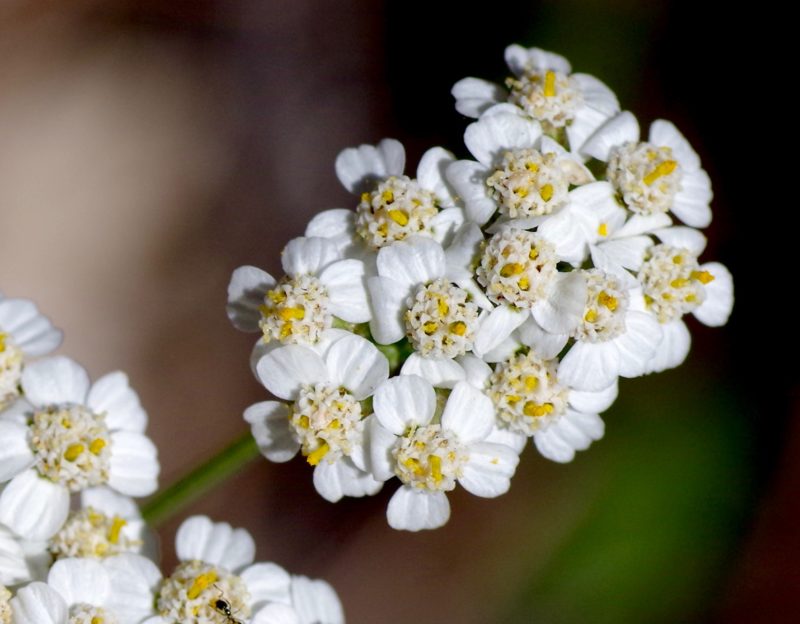
Yarrow in Herb Formulas
Herbal Formulas to Support the Digestive System
The following herb formulas are some of the blends that I have used with good success over the years. They are shared here in the hope you find them helpful also. 1. Catnip Leaf (Nepeta cataria) + Fennel Seed (Foeniculum vulgare)Use equal parts whole fennel seed and catnip leaf. I prefer to store the fennel seed whole and lightly grind just before using to better preserve the aromatic quality of the seeds. This blend is soothing and calming to an upset stomach yet the aromatics of fennel support the digestive process without being too hot. Add one healing teaspoon to […] See More
How to Make Herbal Balls
Herbal Balls are a lesser known but very effective way to take herbs. The method allows for much creativity. It takes herbal medicine into the food realm and can be good for people who are resistant to taking bad tasting teas and tinctures. The basics are to mix a nut butter with either an oil (usually coconut) or a liquid sweetener like maple syrup or honey. The ratio is determined by how thick or thin you desire the final product. Some of the recipes below use just honey to hold the powder together. Add powdered herbs of your choice depending […] See More
Sources for Fresh Herbs or Fresh Plant Extracts
For the Community Herbalist, acquiring dried plants is a straightforward process in the current herb market. Dried herbs are widely and easily available from many retail stores and online distributors. Plants that are best processed and/or used fresh can be more challenging to find. In the modern world of everything being instantly available 24/7, the seasonality of fresh herbs often surprises people. Important - Plan Ahead - sometimes several months in advance. Know when your desired fresh herb is available on the 12 month calendar. The following methods have worked for me over the years. 1. Grow your own in […] See More
Variables in Determining the Strength of Herbal Pharmacy
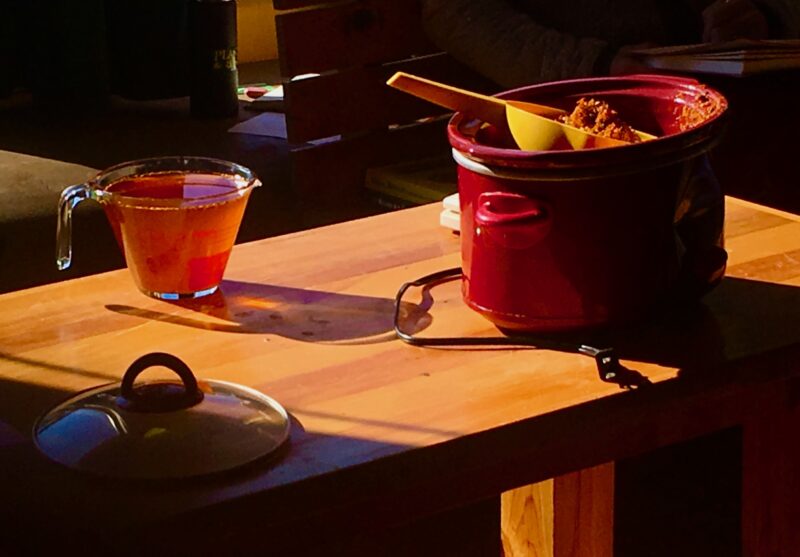
A pot of tea is a pot of tea is a pot of tea... Well, not really. There are many variables that affect the strength and quality of herbal pharmacy, whether it is created in one's home kitchen or in a larger industrial facility. Included below are the points emphasized and addressed during our 9 Month Foundations of Herbal Medicine Program. 1. Time Within reason, the longer the better. The specific time duration depends on the solvent. For water infusions, the time may range from 30 minutes to overnight (8-12 hours). For alcohol tincture macerations, the time may range from 2 […] See More
Solving Tincture Difficulties
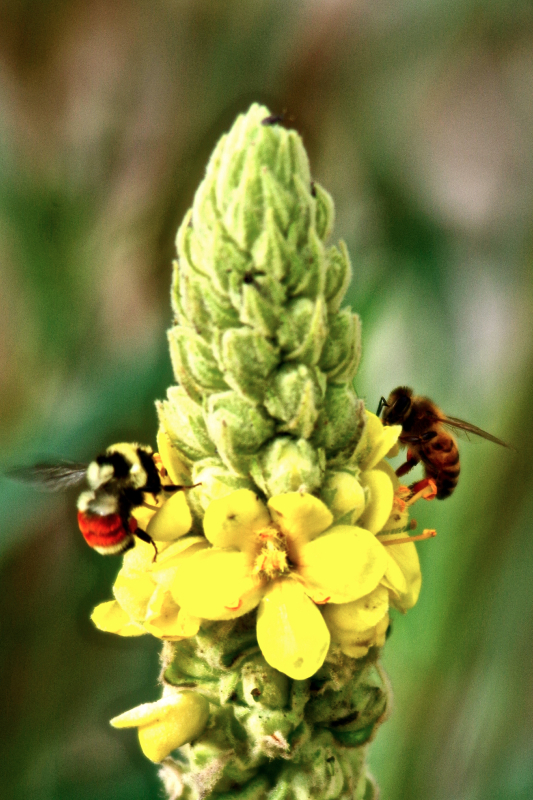
The standard method of making a dry plant tincture is one part herb by weight to five parts menstruum by volume. An example is two ounces of licorice root in 10 fluid ounces of menstruum. The finished product is labelled 1:5. Most herbs can be tinctured this way. There are always exceptions and this article gives three ways to work with herbs that are too large in volume to be covered by the menstruum when the traditional method is used.These methods are: 1. Double Maceration Method2. The Blender-Smoothie Method3. The Weighted Rock Method When to Use a Double MacerationA few […] See More
Record Keeping for the Community Herbalist
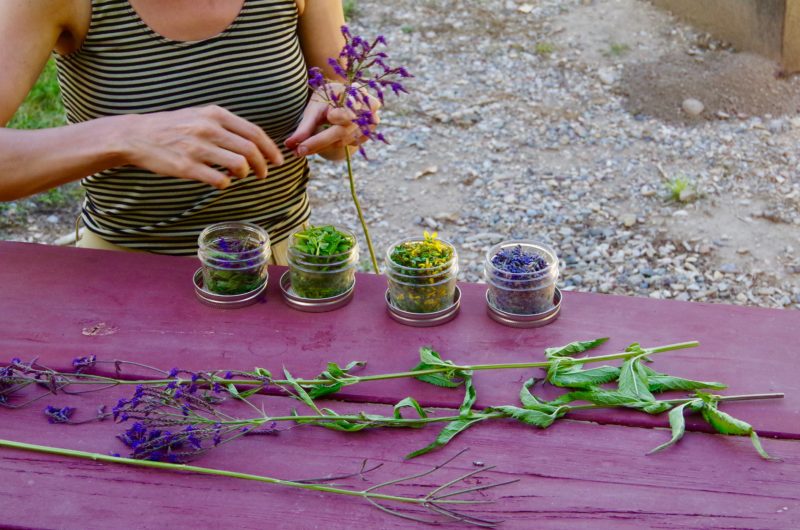
Record keeping is an important aspect of being an herbalist even though it may not be as enjoyable as spending a day in the canyons and meadows among the wildflowers. The chart included at the link below is a form I have used for many years. It includes all the pertinent information needed to keep track of the When - Where - How - How Much of making extracts. Batch and Lot Numbers When wildcrafting and harvesting herbs, always assign a number to that particular batch or lot. This provides for easy tracking. This number goes on the label or […] See More