Miscellaneous
A Master Herbalist?
The word Master often gets thrown around in regards to different occupations and skills. Master carpenter, chef, teacher, herbalist, etc. Everyone want this title but few have earned it. It is usually applied more for ego or marketing rather than actual skills and experience. It’s an issue in the herb community where there are no official titles so folks can call themselves whatever they want. I have thought about what it truly means to be a Master. For me, it is someone who can sit down and, in their field of expertise, begin talking, rambling, storytelling, waxing nostalgic, doing a […] See More
Sources for Fresh Herbs or Fresh Plant Extracts
For the Community Herbalist, acquiring dried plants is a straightforward process in the current herb market. Dried herbs are widely and easily available from many retail stores and online distributors. Plants that are best processed and/or used fresh can be more challenging to find. In the modern world of everything being instantly available 24/7, the seasonality of fresh herbs often surprises people. Important - Plan Ahead - sometimes several months in advance. Know when your desired fresh herb is available on the 12 month calendar. The following methods have worked for me over the years. 1. Grow your own in […] See More
Solving Tincture Difficulties
The standard method of making a dry plant tincture is one part herb by weight to five parts menstruum by volume. An example is two ounces of licorice root in 10 fluid ounces of menstruum. The finished product is labelled 1:5. Most herbs can be tinctured this way. There are always exceptions and this article gives three ways to work with herbs that are too large in volume to be covered by the menstruum when the traditional method is used.These methods are: 1. Double Maceration Method2. The Blender-Smoothie Method3. The Weighted Rock Method When to Use a Double MacerationA few […] See More
Record Keeping for the Community Herbalist
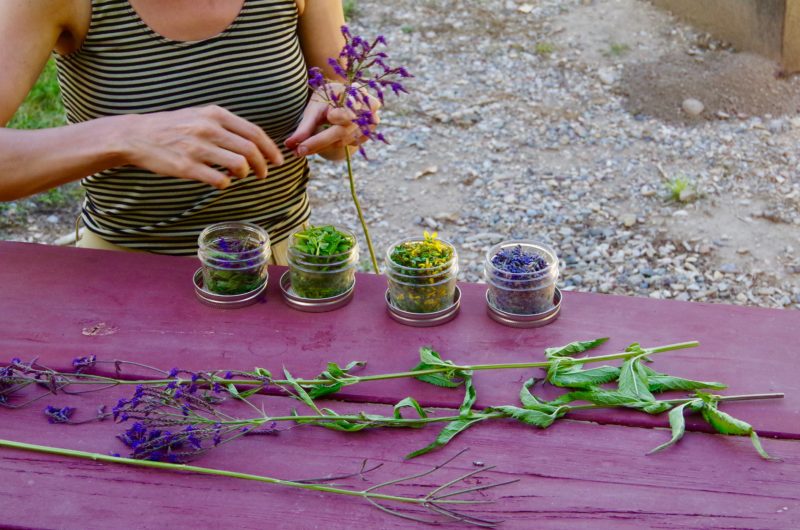
Record keeping is an important aspect of being an herbalist even though it may not be as enjoyable as spending a day in the canyons and meadows among the wildflowers. The chart included at the link below is a form I have used for many years. It includes all the pertinent information needed to keep track of the When - Where - How - How Much of making extracts. Batch and Lot Numbers When wildcrafting and harvesting herbs, always assign a number to that particular batch or lot. This provides for easy tracking. This number goes on the label or […] See More
Sourcing Bulk Herbs
Herb courses at our school emphasize the ability of students to create their own herbal pharmacy. The results are both more affordable and higher quality than purchasing finished products off store shelves. Some plants can be harvested from a backyard garden while others can be wildcrafted from the broader landscape. The ability to sustainably wildcraft varies greatly by species, location and recent weather. Even the most dedicated gardener or knowledgeable wildcrafter will need to purchase herbs from time to time. When possible, it is recommended to support local businesses, especially the smaller family-operated herb stores found throughout the country. For […] See More
Herb Gardening in Flagstaff
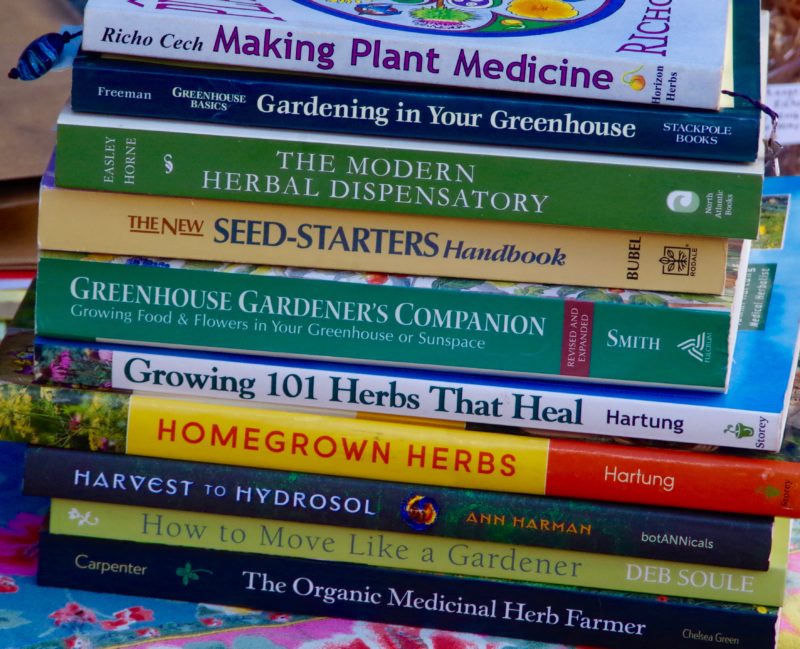
The coming of spring brings with it a renewed interest in the sprouts, buds and shoots of warmer weather and how they can be used to improve our health. Many people are motivated to not only learn the uses of finished herbal products found in the retail world; they are also inspired to connect with healing plants while they are still in the ground. Learning their growing needs and ways to harvest and process plants is an essential part of the herbal path. While the ever increasing interest in using herbal medicine in recent decades has been beneficial in many […] See More
What Exactly is a “Certified” Herbalist?
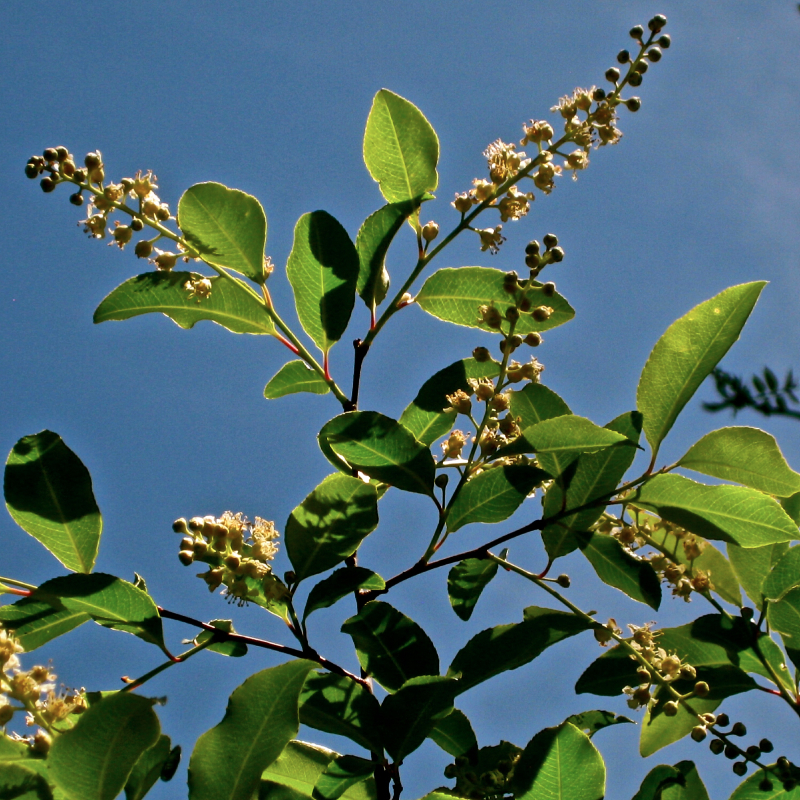
A question that is frequently asked regarding titles in the American herb community: Do the herbal studies offered at your school make me a Certified Herbalist? My Reply: Currently, there is no legal or official certification of herbalists or herbalism in the USA. Some schools and organizations offer a certificate upon completion of their programs. These certificates have meaning only to the giver or receiver of the paper. The certification label is often used for marketing purposes and is not an indication (either good or bad) of the quality of one's education. What this means is that anyone can call […] See More
Rewilding: A Connection to Nature
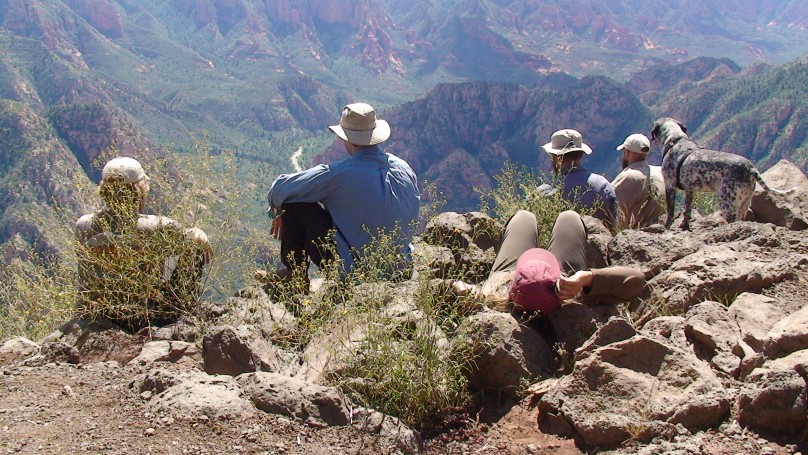
A guest blog by Arthur Haines from the Delta Institute at http://www.arthurhaines.com Rewilding Fundamentals Rewilding is a process for creating humans who can live in a healthful, truly sustainable manner, in close connection with their local landscape (i.e., as part of the wild ecology). It is a trajectory that anyone can follow, regardless of where they live. Experiencing greater health, heightened awareness, further self-reliance, and more real community does not require fully wild living (though it can mean that for some individuals). Each person has experienced some degree of domestication in modern societies. Whether or not people can observe it, […] See More
Where to Find Quality Herbs
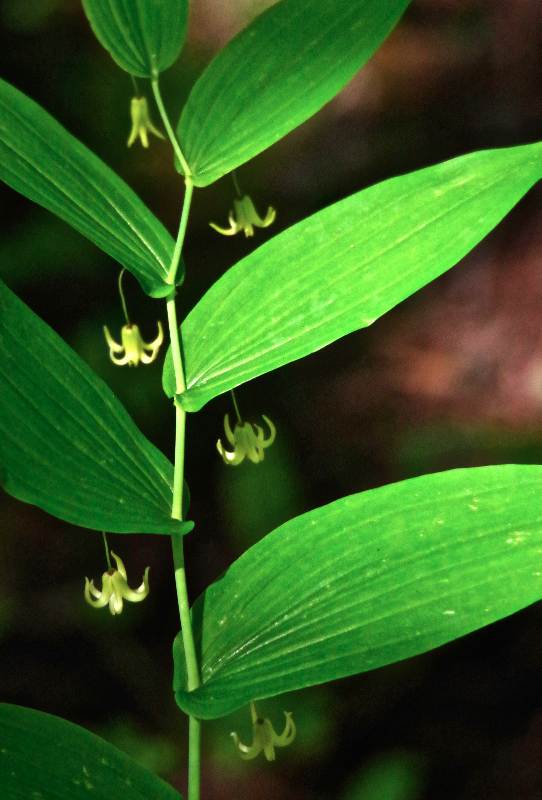
Where can we find quality dried herbs by the ounce? By the pound? Almond oil? Salve containers? Droppers for tincture bottles? These are questions that often come up in our classes. Having a reliable source for the tools of the trade is important in any field. Fortunately for herbalists, there are good options available. Gardens & Nature The best way to get herbs is to either grow them in your garden or sustainably harvest them from nature. This way you control the quality, harvesting and processing from the ground to your herb cabinet. An herb garden need not be a […] See More
Secrets to the Safe Use of Plant Medicines
Herbs are generally considered to be safer to use than pharmaceutical drugs. When used properly, they tend to have a gentler effect on the body; supporting organ systems rather than covering up symptoms. They are certainly more appropriate for home-based, grassroots health care. An important question is: “What is the proper use of herbs?” Let’s take a look at some safety issues to keep in mind when considering using plant medicines. Rule #1: Do No Harm The main safety issue I always ask myself is, “What will happen if the herbs are not effective?” No form of healthcare is 100% […] See More