
Body Systems
It’s Alterative, NOT Alternative!
This category includes herbs that are well known and frequently used in Western Herbalism. The definition of this category is poorly understood. These herbs are often misused because the energetics are ignored. These herbs are often grouped under the vague terms of Detox or Blood Cleanser. What They Are Herbs that support and open the channels of elimination in the body. Our bodies need to eliminate both outside toxins and normal metabolic wastes such as hormones, cellular debris and immune system waste products. Five Primary Organ Systems Involved in Moving Wastes from the Body Lungs - remove carbon dioxide from […] See More
Herbal Formulas to Support the Digestive System
The following herb formulas are some of the blends that I have used with good success over the years. They are shared here in the hope you find them helpful also. 1. Catnip Leaf (Nepeta cataria) + Fennel Seed (Foeniculum vulgare)Use equal parts whole fennel seed and catnip leaf. I prefer to store the fennel seed whole and lightly grind just before using to better preserve the aromatic quality of the seeds. This blend is soothing and calming to an upset stomach yet the aromatics of fennel support the digestive process without being too hot. Add one healing teaspoon to […] See More
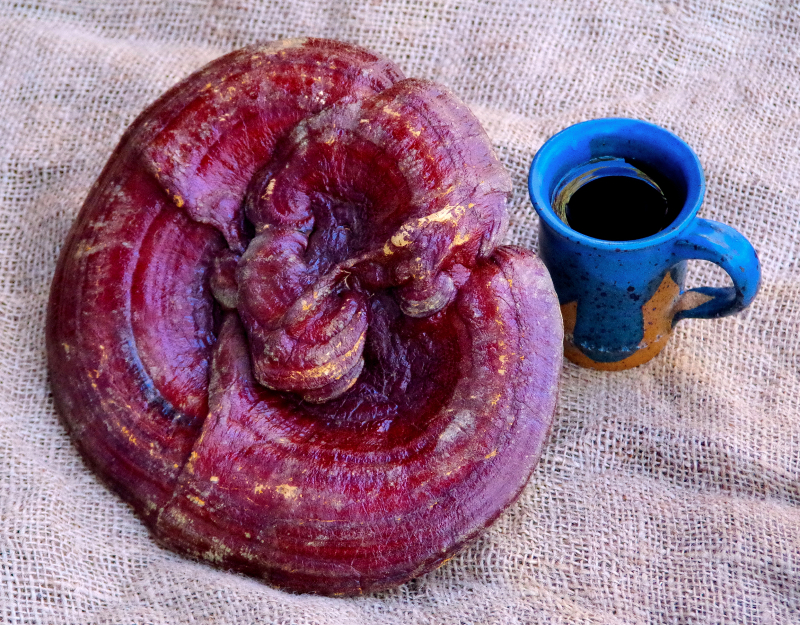
Immune Tonics for Winter
Many people are interested in herbal help during the cold and flu season. Some plants, such as echinacea, garlic and elder, are well known. These are most useful during the acute phase; to be used once a person is beginning to feel under the weather. Not as well known are the Immune Tonics. These are plants that have traditionally been used to strengthen the immune system. The goal is to reduce the chances of getting sick in the first place. Prevention. The two immune tonic herbs used the most at our school are Astragalus and Reishi. Astragalus is Astragalus membranaceus […] See More
Understanding the Role of Endocrine Disruptors for Men’s and Women’s Reproductive Health
Endocrine Disruptors: What are They? Chemicals that can increase and decrease the production of hormones in our body by disrupting the normal functioning of the endocrine glands. They especially affect estrogen, androgen and thyroid hormones. This throws many organ systems out of balance. This term is often used interchangeably with Xeno-estrogen or Xeno-hormones. This is an important topic for both men and women’s reproductive health. Some chemical compounds to avoid are: BPA (bisphenol-A) Parabens Phthalates PBDE’s (polybrominated diphenyl ethers) Mercury and lead Organophosphate pesticides Atrazine Digoxin Perchlorate Perflourinated chemicals (PFC) Glycol ethers Triclosan Poly- and perfluoroalkyl substances (PFAS) Perfluorooctanoic acid […] See More
Herbal Support of the Nervous System in Chronic Disease
It is well known that being stressed causes dis-ease. But the fact that disease causes stress is often overlooked. This is why supporting the nervous system is helpful in many (most, all?) health conditions even if the Chief Complaint is not directly related to nerves. The engagement of the nervous system in long term health care is seen in multiple ways: 1. Stress from ongoing, long term, chronic issues. This happens in many degenerative diseases such as pain, arthritis, cancer, Lyme, decreased mobility, decreased cognition, and autoimmune. Having the condition for a long time and knowing it may never be […] See More
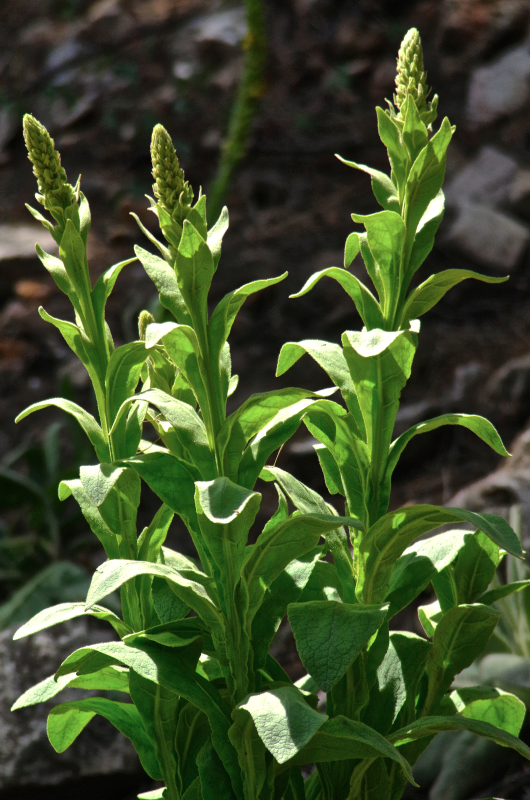
Plant Profile: Mullein Leaf – Flower – Root
Mullein has specific uses for its leaves, flowers and roots. This Plant Profile includes all three plant parts and some of the many uses for Mullein. Botany: Verbascum thapsus (Scrophulariaceae) Common Names: Mullein Southwest Habitat: Mullein loves disturbed soil and is one of the first plants to move into a burned area. It is often found by the dozens-hundreds-thousands in the forests around Flagstaff, depending on the extent of the recent fire. While it is not native, I don’t consider it to be ‘invasive’ (in the sense of taking over and dominating and damaging an environment long term) because its […] See More
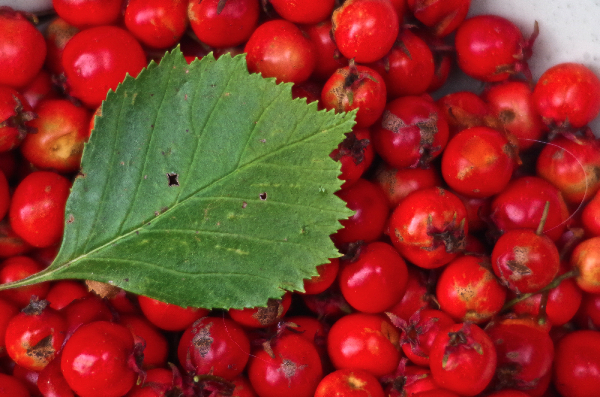
Plant Profile: Hawthorn Berry
Botanical Name: Crataegus spp. There are many Crataegus species. While there are personal favorites among many in the herb community, there are no definitive therapeutic differences among the various species. Family: Rosaceae Common Names: Hawthorn(e). The small tree flowers in May so some form of this month’s name is often used such as Mayflower or May Blossom. In the Southwest, it is simply known as Hawthorn. Part Used for Medicine: The ripe red berries have the longest history of use and the most research. Leaves, flowers and even thorns are used by some herbalists. Habitat in Which it is Found/ […] See More
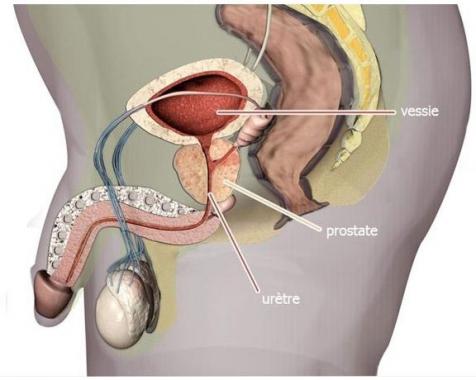
Men’s Health: Resources for the Prostate
The following sources are provided for learning more about prostate health. Links to both mainstream medicine and herbal medicine are included. 1. This link is from the National Institute of Diabetic and Digestive and Kidney Diseases (NIDDK). Its main focus is Prostate Enlargement, also known as Benign Prostatic Hyperplasia or BPH. 2. This link shares various treatment options for BPH in mainstream medicine. 3. This link has an herbal formula from David Winston that has been created to support prostate health, especially for men with BPH. 4. This link is for a book on the Saw Palmetto Berry (Serenoa repens) […] See More
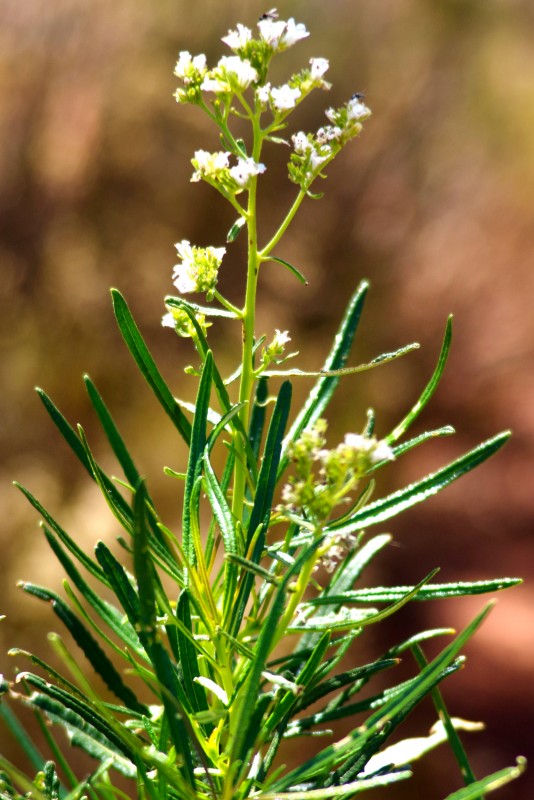
Plant Profile: Yerba Santa
Botanical Name: Eriodictyon angustifolium is the narrow leafed species found around Sedona, the Verde Valley and the Superstition Mountains. This is the one I have used the most. E. californicum is a much broader leafed species from northern California. It is more common in the wholesale herb trade. I consider these two species to be equally therapeutic. There are a few other species although I have not used them. Family: Hydrophyllaceae Common Names: Yerba Santa Southwest Habitat: Between 3,500’ and 5,500’ in Arizona. Often found near roadsides (not good for collecting) and not uncommon around Sedona. Energy & Tastes: Warming […] See More
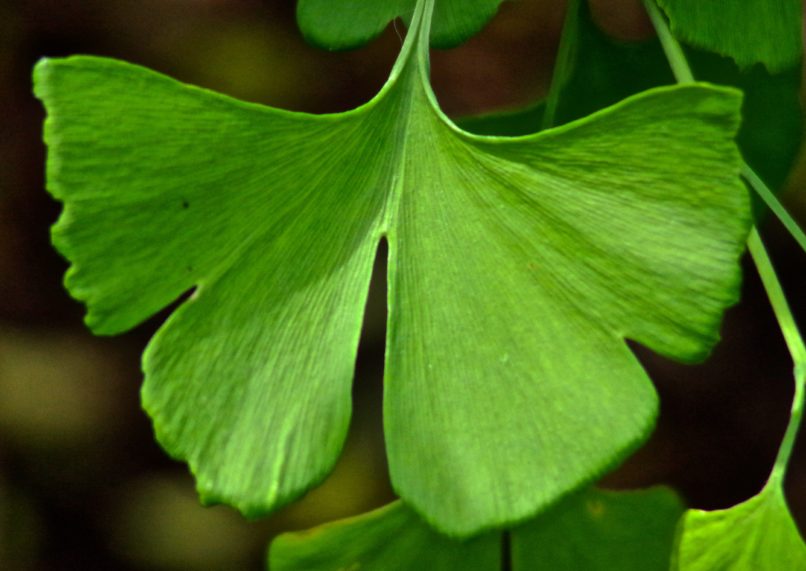
Cognitive Function and Using Nootropic Herbs
Understanding how our brains function and learning ways we can support cognitive health is part of the longer courses at our school. The following links are resources to support the information shared during class. Brain Overview http://www.daviddarling.info/encyclopedia/B/brain.html Brain Anatomy http://www.mayfieldclinic.com/PE-AnatBrain.htm Alzheimers http://www.innerbody.com/diseases-conditions/alzheimers-disease Hypomania v Mania http://www.healthyplace.com/blogs/breakingbipolar/2010/08/what-is-the-difference-between-mania-and-hypomania/ Neurotransmitters http://www.brighthubeducation.com/science-homework-help/62633-neurotransmitters-in-the-brain/ Neurons http://www.brighthubeducation.com/science-homework-help/62839-function-and-structure-of-neurons-in-the-brain/ Synapse http://www.brighthubeducation.com/science-homework-help/109310-how-brain-synapses-work/#imgn_3 Brain Derived Neurotrophic Factor - BDNF http://mentalhealthdaily.com/2015/03/30/8-ways-to-increase-bdnf-levels-brain-derived-neurotrophic-factor/ Beta Amyloid Plaque https://www.ncbi.nlm.nih.gov/pubmed/19679659 https://www.alz.org/braintour/plaques.asp See More