
Plant Chemistry
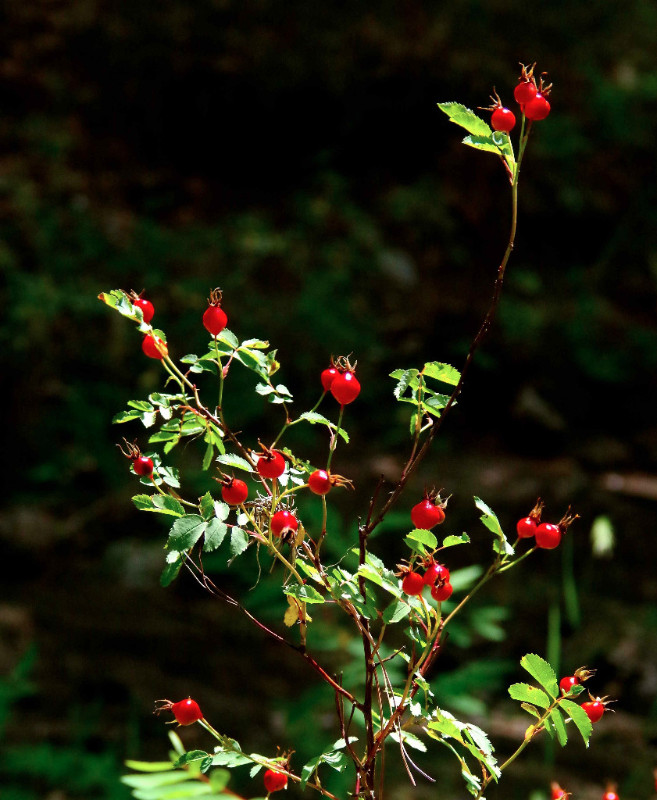
Diet Strategies for Reducing Chronic & Systemic Inflammation
Included below are the notes used during the Diet, Nutrition and Inflammation portions of our curriculum. It is a succinct look at how the foods we eat affect our internal inflammatory state. While the actual classes go into more detail, the foods listed here are good places to begin improving one's health in this area. There are several strategies for reducing chronic inflammation; diet being a primary one. Many people use fish oil supplements to benefit from the anti-inflammatory effects of Omega 3. Just as important, but not as well known, is to reduce foods that have the pro-inflammatory Omega […] See More
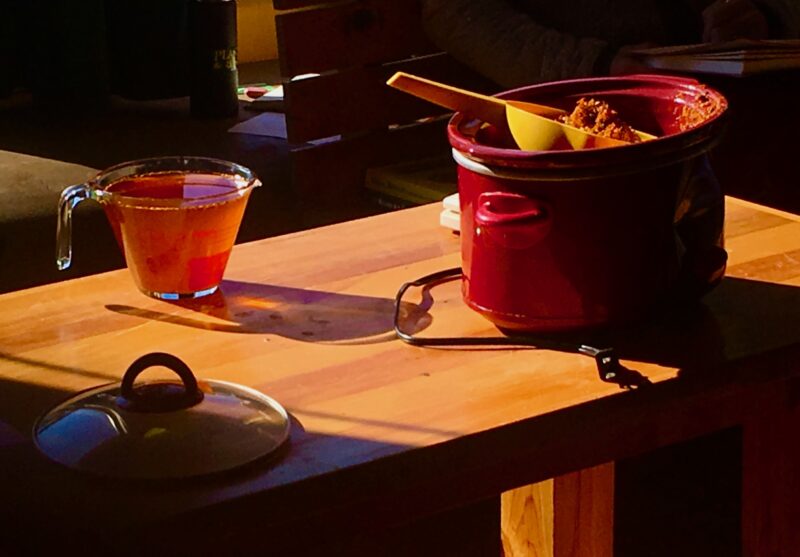
Variables in Determining the Strength of Herbal Pharmacy
A pot of tea is a pot of tea is a pot of tea... Well, not really. There are many variables that affect the strength and quality of herbal pharmacy, whether it is created in one's home kitchen or in a larger industrial facility. Included below are the points emphasized and addressed during our 9 Month Foundations of Herbal Medicine Program. 1. Time Within reason, the longer the better. The specific time duration depends on the solvent. For water infusions, the time may range from 30 minutes to overnight (8-12 hours). For alcohol tincture macerations, the time may range from 2 […] See More
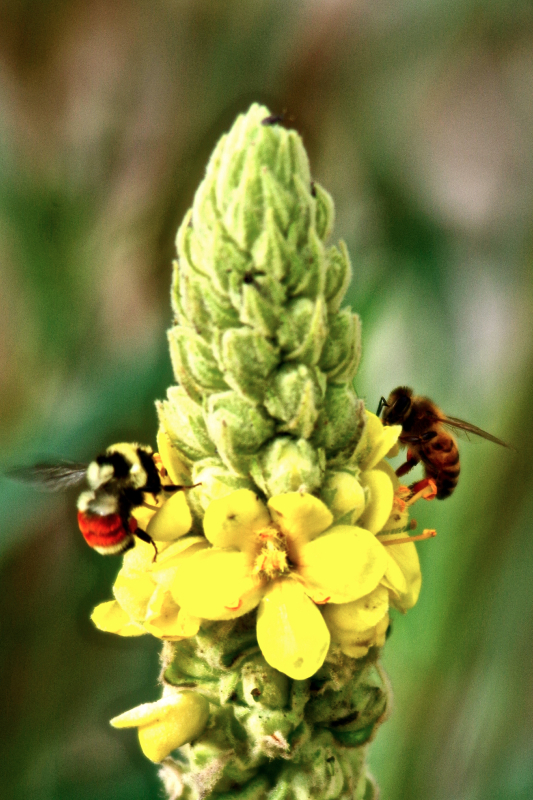
Solving Tincture Difficulties
The standard method of making a dry plant tincture is one part herb by weight to five parts menstruum by volume. An example is two ounces of licorice root in 10 fluid ounces of menstruum. The finished product is labelled 1:5. Most herbs can be tinctured this way. There are always exceptions and this article gives three ways to work with herbs that are too large in volume to be covered by the menstruum when the traditional method is used.These methods are: 1. Double Maceration Method2. The Blender-Smoothie Method3. The Weighted Rock Method When to Use a Double MacerationA few […] See More
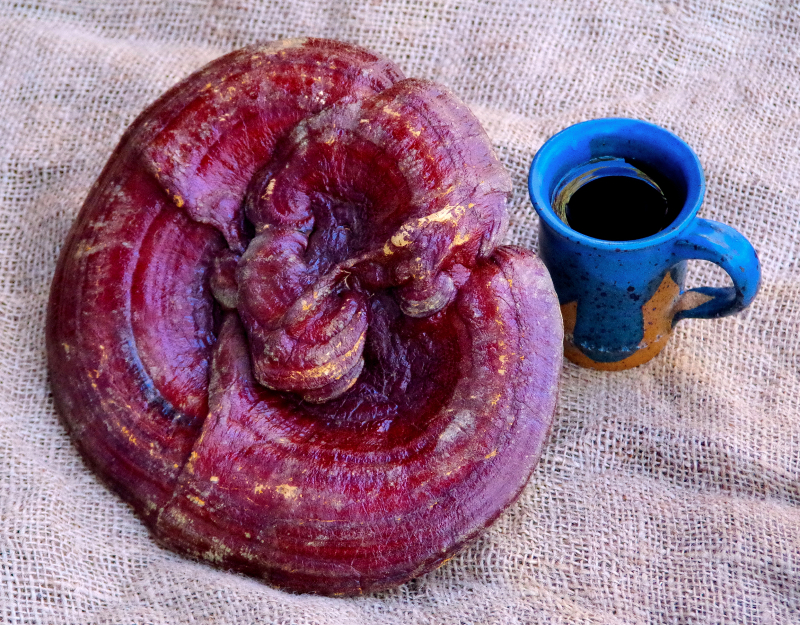
Resources for Therapeutic Mushrooms
There are many mushrooms used therapeutically in the herb community with Reishi (Ganoderma spp.) being the the best known. One of the challenges to effectively using these gifts from the fungal world is knowing how to process them. While plants have cellulose, mushrooms have chitin. This substance is extremely hard and makes extraction difficult. The usual methods of making teas and tinctures don't work. This page is a collection of the best resources I have encountered for: -learning how to thoroughly and effectively extract the healing properties from fungi -reliable information on how various species can be used -where to […] See More
Photo-Toxic Essential Oils
Some essential oils contain furanocoumarins. These organic chemical compounds can cause phyto-photo-dermatitis, which is the skin's hypersensitivity to the UV rays of sunlight. Possible skin reactions include stinging, itching, blisters and burning. When using essential oils on the skin, it is important to either avoid using furanocoumarin oils or avoid exposure to the sun for at least 24 hours after application of oils. Some essential oil references simply state that citrus oil are photo-toxic. More specifically, essential oils from some plants in the Umbelliferae (Parsley) and Rutaceae (Citrus) families need to be avoided. The following chart shows which oils are […] See More
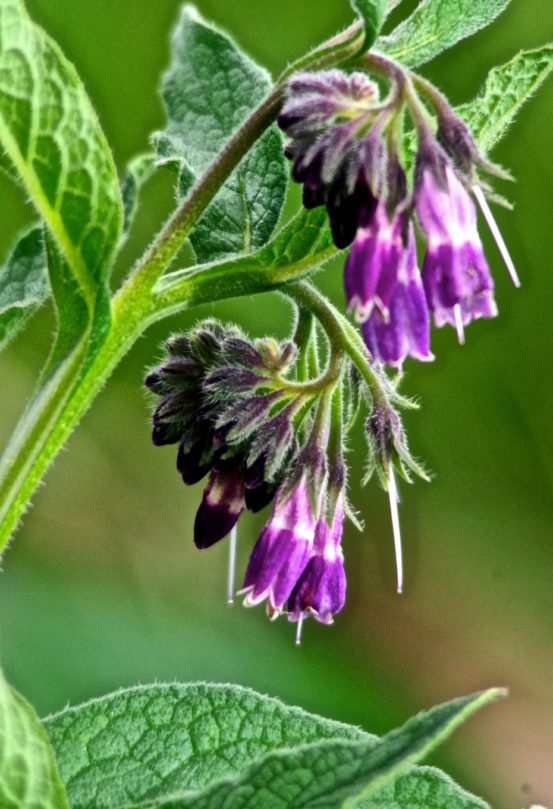
Comfrey & Pyrrolizidine Alkaloids
Safety issues connected to the internal use of various Comfrey (Symphytum officinale, S. uplandicum x) species have been a controversial topic since I became active in the herb community in the early 1990s. Many presentations in articles, blogs, classes and conferences prefer to address the therapeutic benefits of this plant and avoid directly giving information on the question of safety. The presentation usually has some version of "Do your own research and make your own decision" about comfrey. The main drawback to this approach is the reader - student is left with no guidelines on where or how to get […] See More
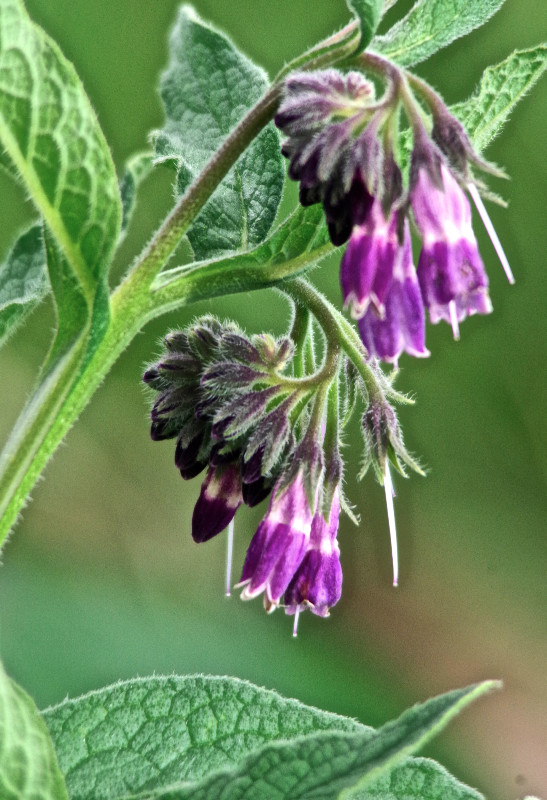
Demulcent Herbs: Action & Energy
Demulcent (internal) or Emollient (external) Moistens tissues, soothes inflammation Energy is moistening and usually cooling Works systemically, does not need to come in contact with a particular surface, such as the lungs or bladder Many contain mucilage, has a slimy, viscous feel Will loosen and relax tissues that are tense due to dryness Uses Dryness and irritation of the respiratory, digestive & urinary systems Excess dryness or heat caused by dryness Dry coughs Dry irritated sore throat Dry constipation Irritation from bladder infection Topical burns, especially sunburn Soothing to topical inflammation Energetics of Demulcents: All are Moistening Cool Mallow - […] See More
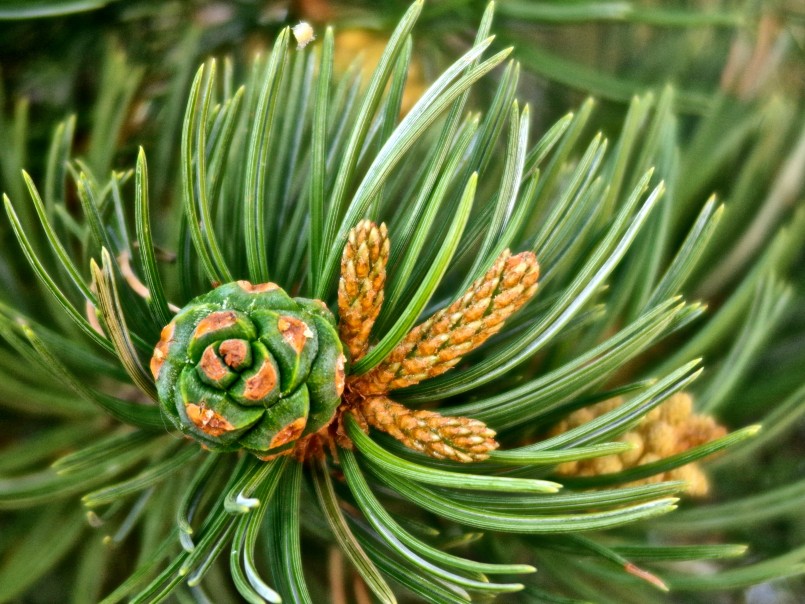
How to Make Pine Resin Salve
Salve made from the resin of our native pinon pine tree (Pinus edulis) has an exquisite aroma and is useful as a topical anti-microbial. While the final product is popular these days, the processing of tree resin into a finished product is a bit different than the standard salve making process. It seems like each herbalist has their favorite method for preparing this gift. Here is my version. Collecting the Resin First, find the tree. In the Southwest, it usually grows in what is known as the “pinon-juniper zone” around 4500’ to 6500’. I have seen it growing next to […] See More
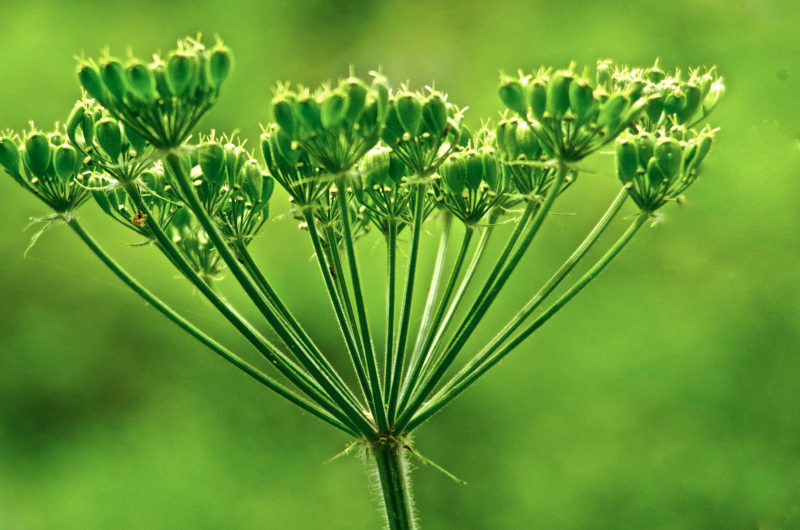
Plant Metabolites & Herbal Medicine
A recurring question when studying herbal medicine is how and why plants have a beneficial affect on people’s health. The answer to this question varies by the cultural filter through which the plant world is viewed. One view that has helped my understanding of herbal medicine is the subject of Plant Metabolites. Nature does not waste energy. If a plant uses its resources to produce bark, leaves, fruit, flowers or thorns, there are good reasons for these. If a plant produces starch, fats, alkaloids or tannins, there are good reasons for those also. The end result of what a plant […] See More