
Plant Profiles
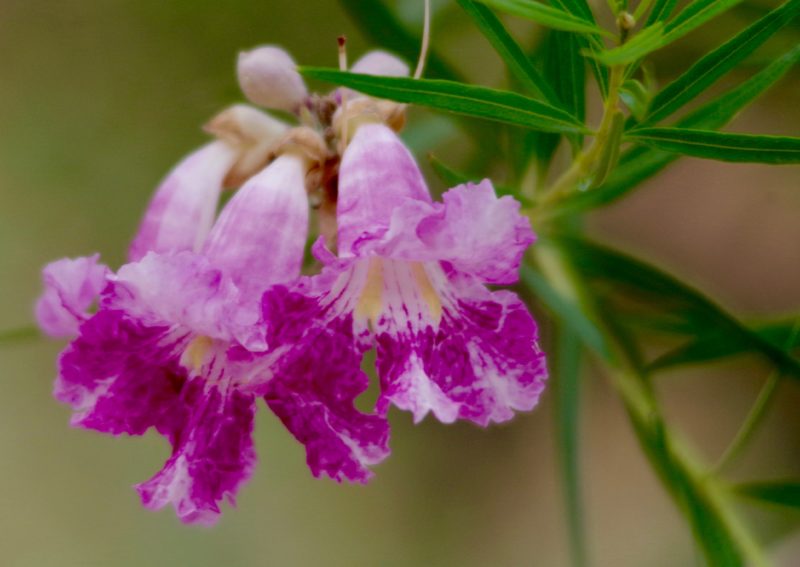
Plant Profile: Desert Willow
Botanical Name: Chilopsis linearis Family: Bignoniaceae This plant is not related to a true willow although the leaves are somewhat similar as is the habitat - along a drainage. Common Names: Desert Willow Habitat in Which it is Found/ Harvesting Season/ Special Considerations: Along drainages in Arizona between 2,000’ and 5,500’. Commonly found in the Verde Valley, Sedona and drainages of the Superstitions. It is often seen in landscaping in Southwest towns at the right elevation such as Albuquerque and Sedona. Collect the newest leaves near the end of branches in late spring. Energetics: Bitter, aromatic, acrid Stimulates lymph movement, […] See More
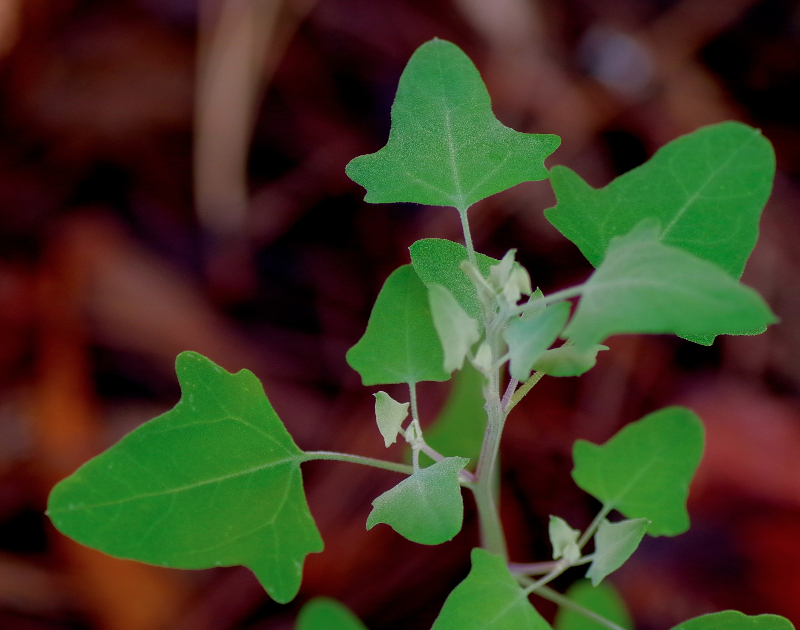
Plant Profile: Chenopodium album
Botanical Name: Chenopodium album Family: Chenopodiaceae Spinach, beets, chard and quinoa are also in this family Common Names: Goosefoot, Lambsquarters Primary Characteristics for Field ID: The leaves are in the shape of a goose's foot which helps with the field ID for a non-botanist. Part Used for Medicine: Fresh leaves and fresh tips Habitat in Which it is Found/ Harvesting Season/ Special Considerations: Very common in the southwest from 3,000’ up to 7500’. It is abundant in the Verde Valley and up through Sedona, Oak Creek Canyon and the Ponderosa forest around Flagstaff. Look for it wherever soil has been […] See More
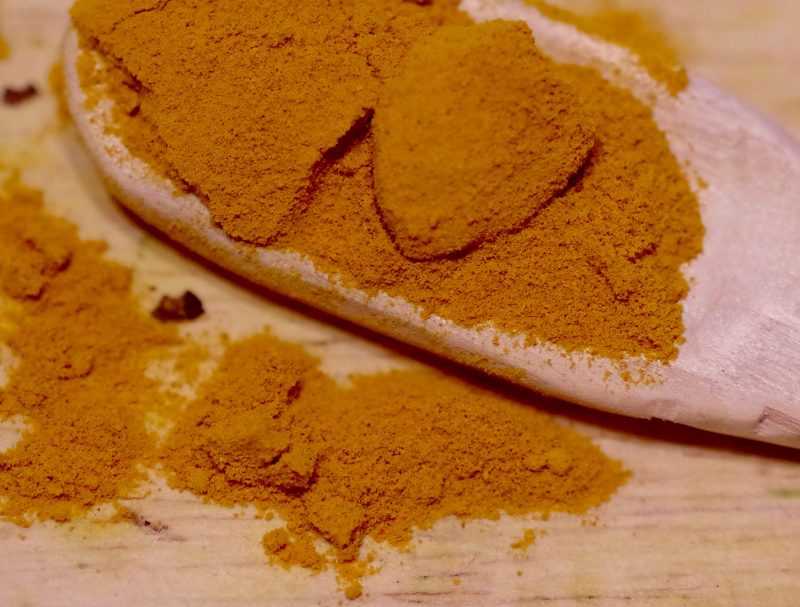
Plant Profile: Turmeric
This Plant Profile is longer than usual for a few reasons: 1. Turmeric is a polycrest herb, meaning it has multiple uses. 2. The traditional and complete uses of turmeric have largely been lost as it has gained popularity in the inflammation supplement market in the US. 3. Much of the information available in the mainstream health food community is either incomplete or incorrect so I decided to write a longer monograph in the hope that it shows both the breadth and depth of this amazing plant. There is still more to share and this article will be revised as […] See More
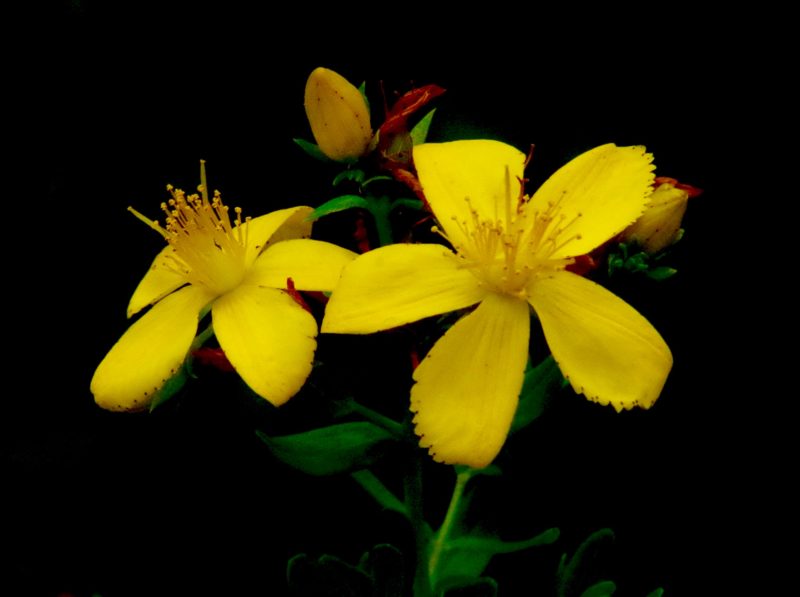
Hypericum perforatum – St John’s Wort Monograph
Monograph of St. John's Wort - Hypericum perforatum Caitlin Stoner, a recent graduate of the "Foundations of Herbal Medicine" course, chose this multi-use therapeutic herb for her final research project. I am very happy to share her expertise on our school's website. Click the link below to read her work. Hypericum - St. Johns Wort See More
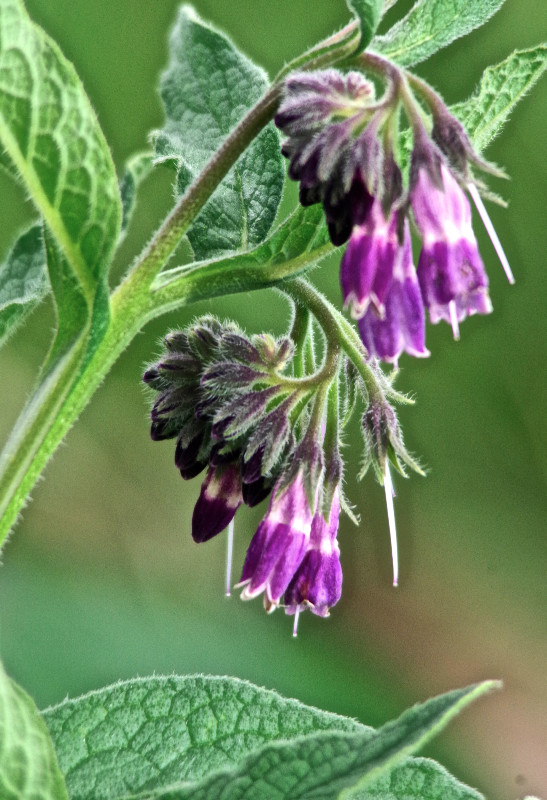
Plant Profile: Comfrey Leaf
Botanical Name: Symphytum officinale Symphytum ×uplandicum There is confusion in the herb and gardening communities about these two species. See the .gov links at the bottom of this page. Family: Boraginaceae Common Names: Comfrey, Knitbone Part Used for Medicine: Leaf & Root - these have the same therapeutic uses Habitat in Which it is Found/ Harvesting Season/ Special Considerations: Comfrey prefers well watered, rich soil so it is rarely found in the SW outside of well tended gardens. It is fairly easily cultivated in the right conditions. I have only seen it growing wild once in the […] See More
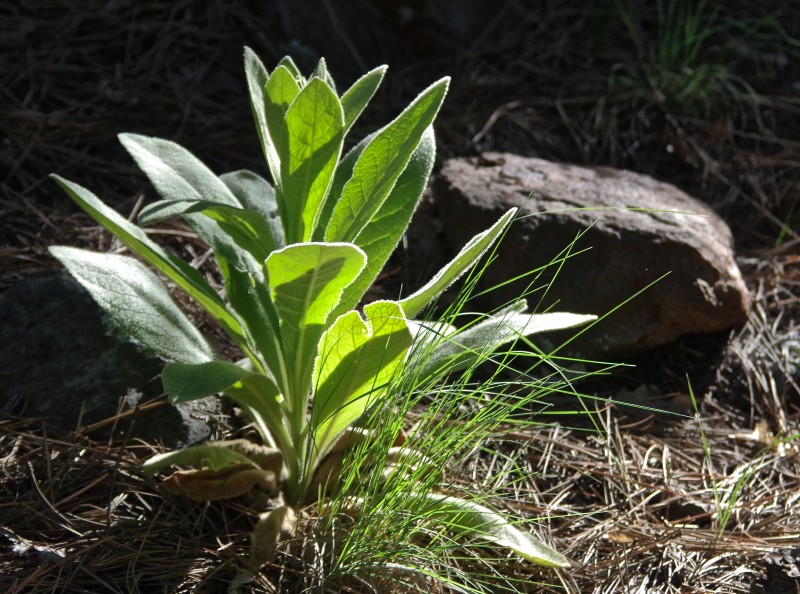
Mullein Monograph – Verbascum thapsus
Molly Wood, a recent graduate of the Foundations of Herbal Medicine program, chose Mullein, a plant she grew up with, as her final research project. Click the link below to read her work. Mullein - Verbascum thapsus See More
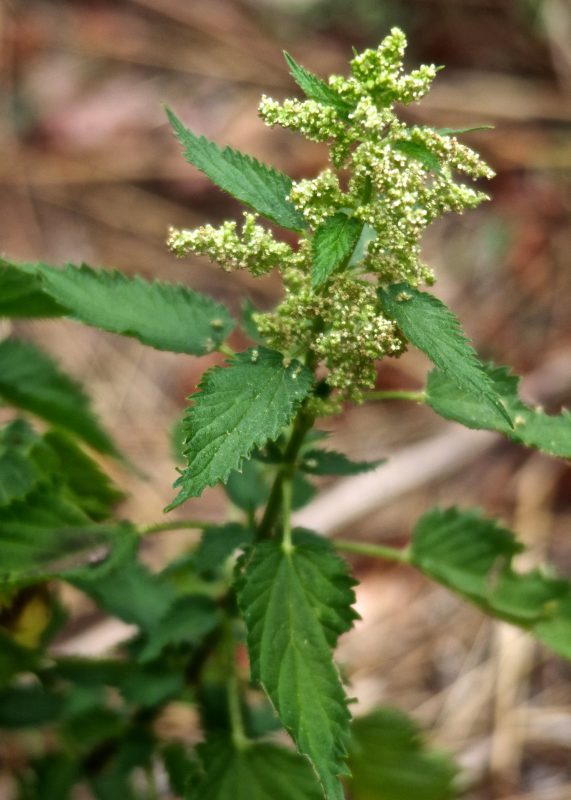
Plant Profile: Nettle Leaf
Botanical Name: Urtica dioica Family: Urticaceae Common Names: Nettles, stinging nettles Southwest Habitat: Nettles like rich, black, damp soil in partial shade. It is most likely found in riparian areas, near seeps or in shady areas where deciduous trees have had the opportunity to help build the soil. It is not at all common in the arid landscapes of Arizona although it is a common weed in many temperate zones. Energy & Tastes: Mild taste and energy - sightly cooling and drying Most wild greens are considered to be at least slightly bitter although I find nettles to have a […] See More
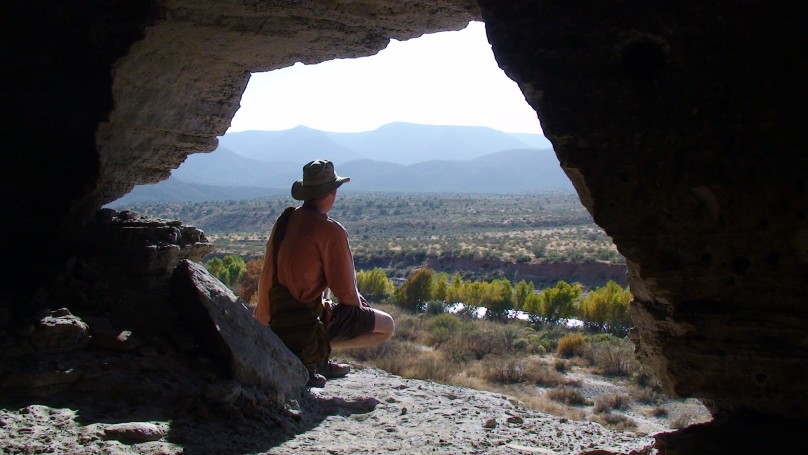
Herbal & Foraging Field Guides for the American Southwest
Book & Internet Resources for Herbal Field Study in Arizona and the Colorado Plateau Field Guides for the Southwest The focus of these books is plant identification rather than herbal usage. In general, books arranged by plant families and that use pen and ink drawings are considered more academic and geared to more experienced botanists. Books that use color photos and order plants according to flower color are considered more user friendly and geared to people with less background in botany. *Wildflowers of Arizona Field Guide by Nora Mays Bowers, Rick Bowers and Stan Tekiela Compact enough for field work. Plants […] See More
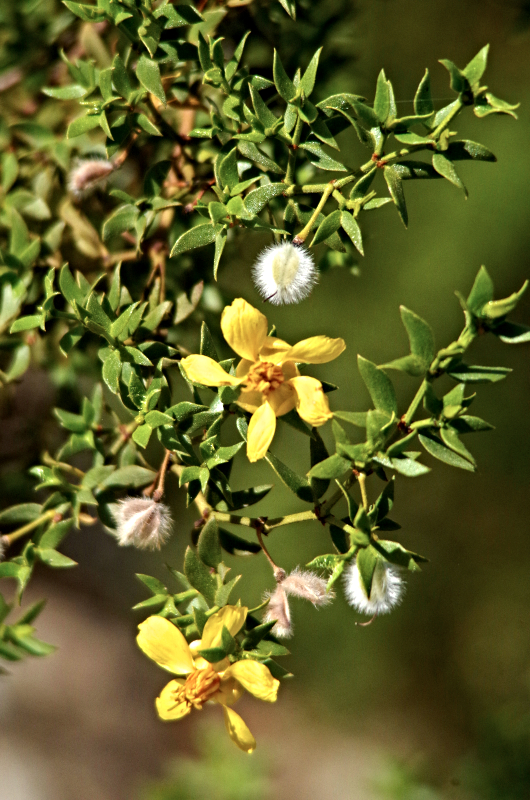
Plant Profile: Creosote Leaf
Botanical Name: Larrea tridentata Family: Zygophyllaceae Common Names: Creosote Bush, Chaparral, Greasewood, Little Stinker, Hediondilla Habitat in Which it is Found/ Harvesting Season/ Special Considerations: Very widespread in the Sonoran and Mojave deserts, especially in the basins and valleys. The highest elevation I have encountered it is at 3,800’ in the Verde Valley. Many desert dwellers connect the aroma of this bush with rain as its scent is released with the increased humidity of a thunderstorm. Because of its proliferation in its native habitat, snipping the leaves off branch tips is easy to do without harming the […] See More
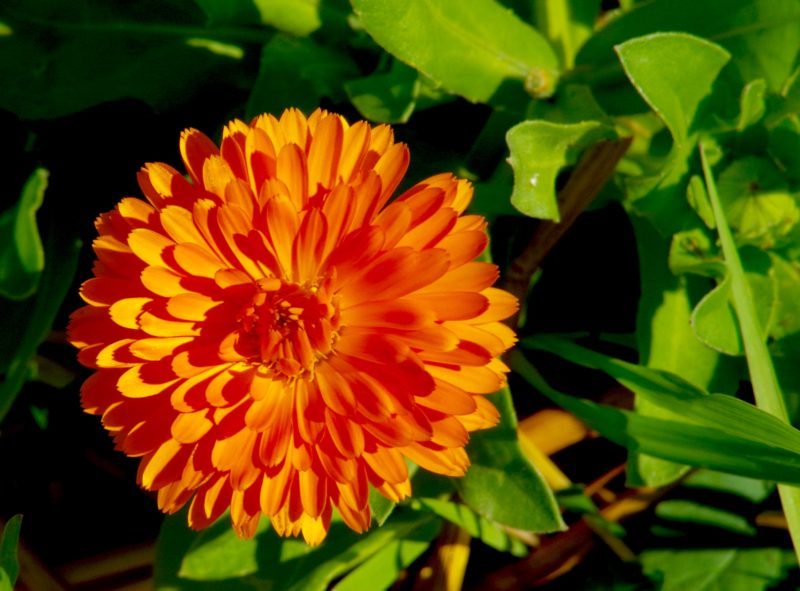
Calendula for Skin Health
Calendula is one of my favorite herbs and definitely at the top of the list for topical applications. It has all the attributes of a top quality herb: safe, effective, easy to grow, inexpensive to purchase, and it possesses a wide range of uses. For folks looking to build a basic home pharmacy with a select group of botanicals, this plant should be high on your list. The botanical name is Calendula officinalis. The species name of officinalis means it was designated the official medicinal species of that genus when botanists were assigning names. There is a definite Euro-centric flavor […] See More