
Educational Resources
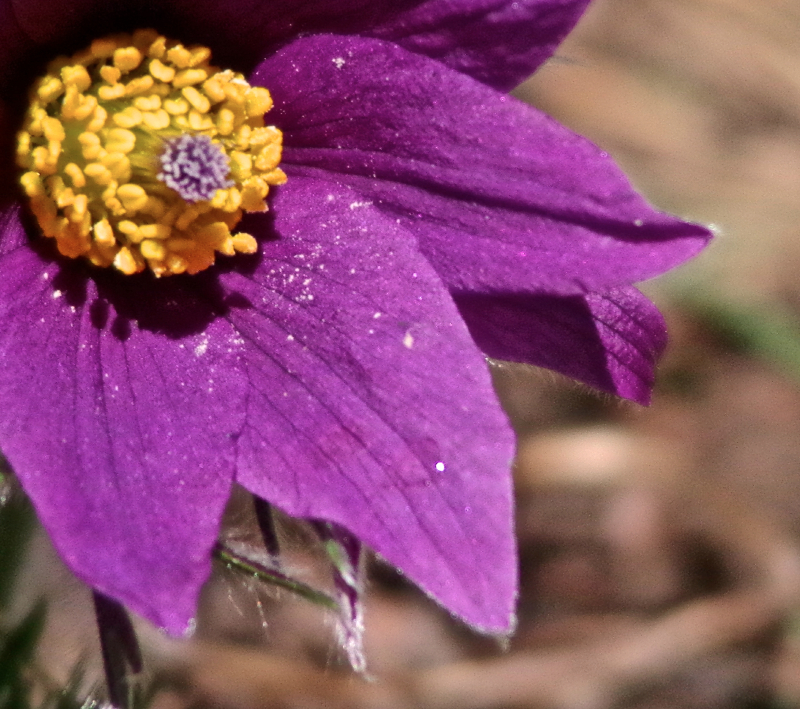
Plant Profile: Pulsatilla
Botanical Name: The botany can be confusing. It is sometimes referred to as Anemone and other times labelled Pulsatilla. In the herb community, I learned it as Pulsatilla. I consider the two names interchangeable. Many species are used therapeutically including Anemone patens, A. tuberosa and A. occidentalis. With some extra TLC, I have been able to cultivate Anemone vulgaris on our property at 7,000’ in northern Arizona. Family: It is in the Ranunculaceae family which connects it to other strong acting, acrid tasting herbs such as Black Cohosh and Clematis. In general, herbs in this family need to be dosed […] See More
Fabaceae for Herbalists
Fabaceae - Commonly known as the Pea, Bean or Legume Family One of the largest families in the world, large enough to have subfamilies and tribes This family has irregular flowers with the shape famously described as “banner - wings - keel” The seed pods have the classic green bean, pea pod form. Leaves are often pinnately divided This family is often high in phyto-estrogens Many species are edible or medicinal although some are toxic Herbs: Red clover (Trifolium pratense) Astragalus, known as Huang Chi in TCM Licorice - Glycyrrhiza glabra is common in Western Herbalism, G. uralensis is used […] See More
Poaceae for Herbalists
Poaceae - Grass Family Background Info -This family includes major food crops worldwide. The domestication and cultivation of grass seeds allowed (forced?) hunter-gatherer cultures to stay longer in one place and develop farming techniques and villages. -Grass stems are hollow and round with nodes where the leaves are located -Almost all grass seeds are edible but they are not always practical to harvest or palatable. -Grasses have a non-showy flower and are wind pollinated -Ceres (cereal) is the Greek goddess of grass. Barley (Hordeum) Oats (Avena spp.) Rice (Oryza spp.) Wheat (Triticum spp.) Corn (Zea spp.) Millet - a combination […] See More

Men’s Health: Resources for the Prostate
The following sources are provided for learning more about prostate health. Links to both mainstream medicine and herbal medicine are included. 1. This link is from the National Institute of Diabetic and Digestive and Kidney Diseases (NIDDK). Its main focus is Prostate Enlargement, also known as Benign Prostatic Hyperplasia or BPH. 2. This link shares various treatment options for BPH in mainstream medicine. 3. This link has an herbal formula from David Winston that has been created to support prostate health, especially for men with BPH. 4. This link is for a book on the Saw Palmetto Berry (Serenoa repens) […] See More
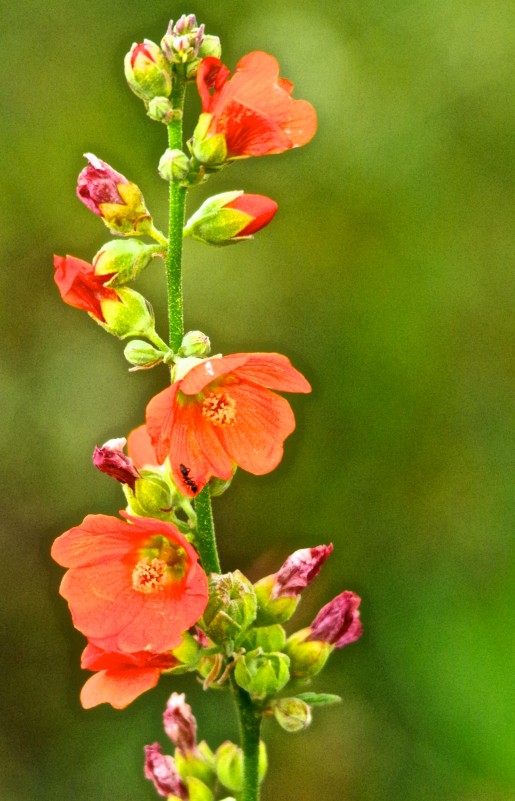
Plant Profile: Globe Mallow
Botanical Background: The Malvaceae family has many plants familiar and useful to herbalists. Marshmallow is Althea officinalis but this is not found in the dry Southwest and is a challenge here even as a cultivated herb. More common in the Southwest is one of the Sphaeralcea species with blooms of various shades of orange. Hibiscus (Hibiscus spp.) and Hollyhock (Althea rosea) are also useful demulcents in this family. The root, leaves and flower can all be used although the root is most commonly used. Common Names: Mallow, globe mallow, sore eye poppy (the leaves have small hairs that are eye […] See More
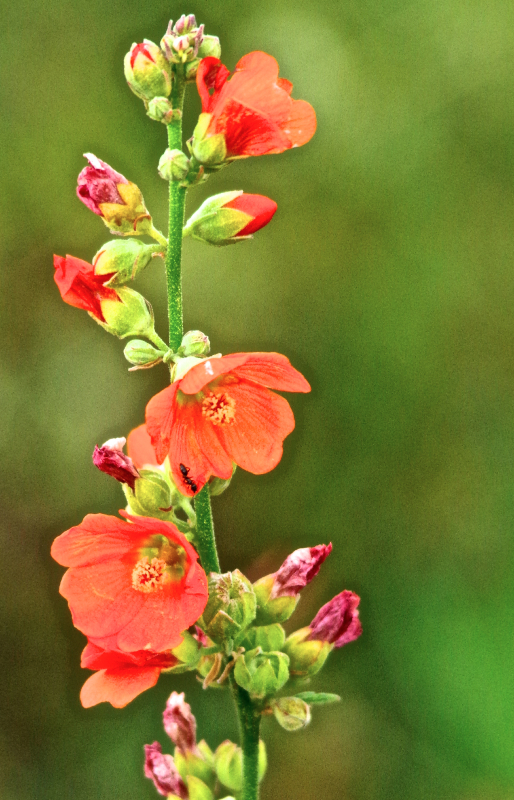
Malvaceae for Herbalists
Malvaceae - Mallow This family is well known for its demulcent qualities and is very widely used by most herbalists. Commonly used herbs and food: Marshmallow (Althea officinalis) Globe mallow (Sphaeralcea) - common at many elevations in the Southwest Malva neglecta - common mallow or cheese wheel Hibiscus Hollyhock (Alcea spp.) Okra See More
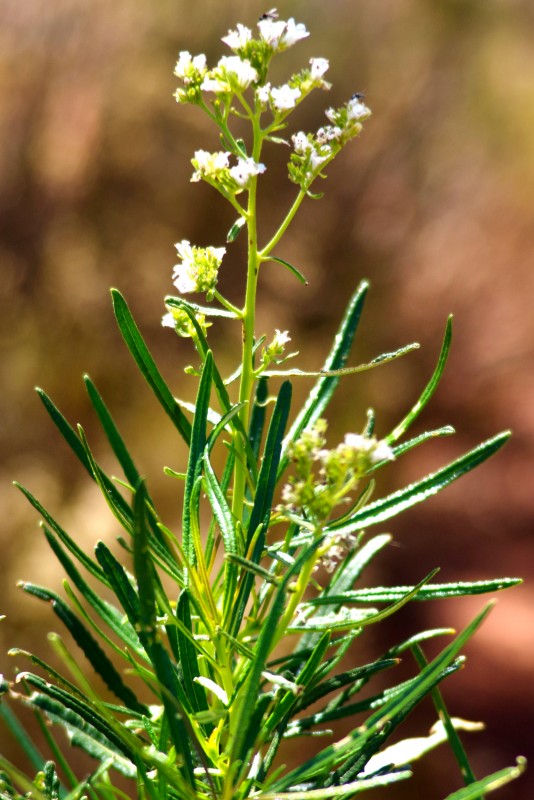
Plant Profile: Yerba Santa
Botanical Name: Eriodictyon angustifolium is the narrow leafed species found around Sedona, the Verde Valley and the Superstition Mountains. This is the one I have used the most. E. californicum is a much broader leafed species from northern California. It is more common in the wholesale herb trade. I consider these two species to be equally therapeutic. There are a few other species although I have not used them. Family: Hydrophyllaceae Common Names: Yerba Santa Southwest Habitat: Between 3,500’ and 5,500’ in Arizona. Often found near roadsides (not good for collecting) and not uncommon around Sedona. Energy & Tastes: Warming […] See More
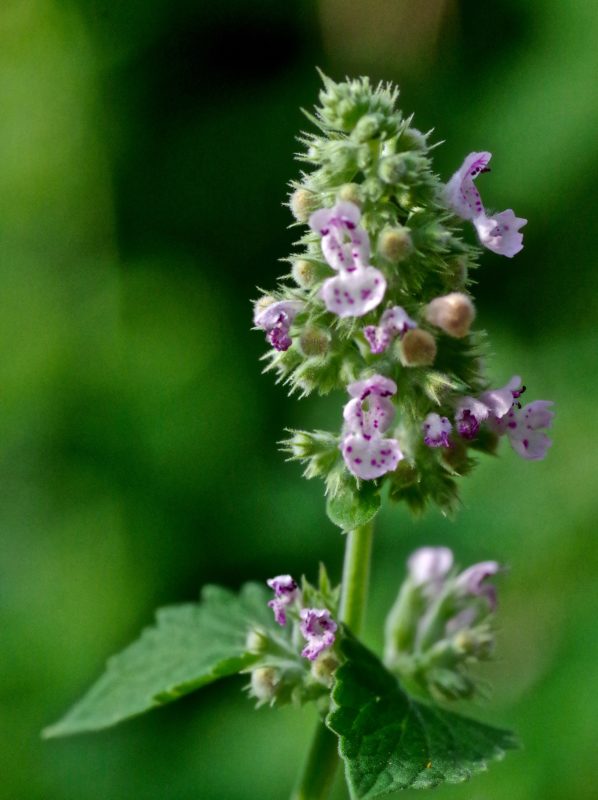
Plant Profile: Catnip
Botanical Name: Nepeta cataria Family: Laminaceae Common Names: Catnip Primary Characteristics for Field ID: The classic square stem and opposite leaves of the mint family. Part Used for Medicine: The leaves are the primary parts used although flowers and fresh tips can also be included. The stems are large enough that they should be avoided. Habitat in Which it is Found/ Harvesting Season/ Special Considerations: Nepeta is not native to the southwest although it grows freely in the right conditions. I have seen it in some surprisingly remote areas along shady streams and seeps in Oak Creek Canyon and […] See More
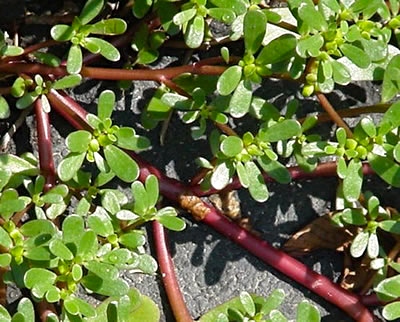
Plant Profile: Wild Greens
Why We Should Eat Wild Greens As a group, wild greens are higher in nutrition than domestic produce grown on farms. This is true even for organically grown produce. The generations-long process of domesticating a plant involved selecting for a specific size, color, flavor or ripening date. This happened at the expense of reduced fiber and nutrition, specifically vitamins and minerals. See this chart for specific data in this area. They are free, making high quality produce affordable for anyone. They are “unofficially organic” if harvested from clean places in nature. They are abundant in many areas and life zones […] See More
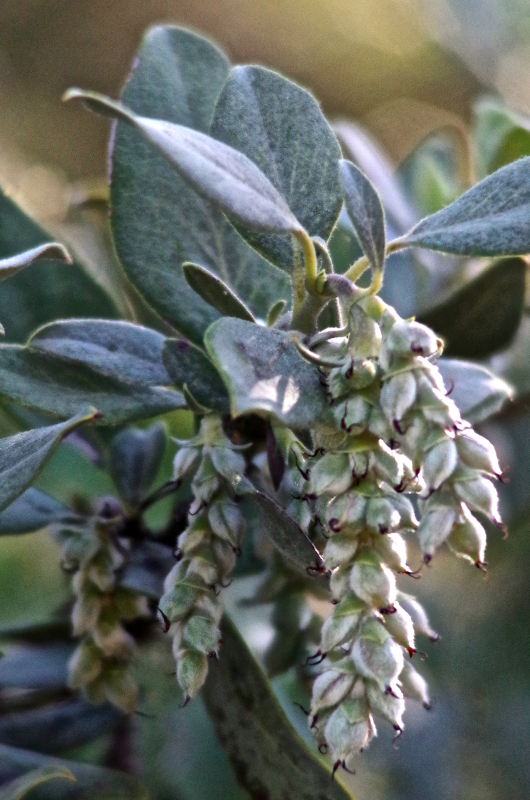
Plant Profile: Silk Tassel
Botanical Name: Garrya spp. Family: Garryaceae Common Names: Silk Tassel is the name mostly used in my experience using it in New Mexico and Arizona. Michael Moore lists other common names as Quinine Bush, Bear Brush, Guachichi, Cuauchichic Primary Characteristics for Field ID: They have beautiful and showy white trailing flowers in spring, prompting the common name. This bush is from 4’ - 7’ high and has light colored, almost bluish-green leaves. Initially, it is not an attention grabbing plant and many non-herbalists would place it in the ‘generic green bush’ category. Southwest Habitat: In northern Arizona, it is commonly […] See More