
Educational Resources
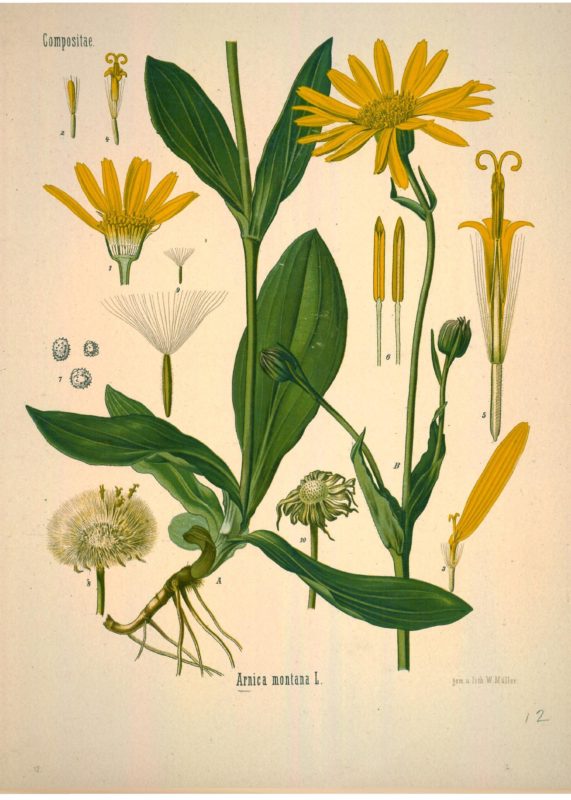
Old Fashioned Botanical Prints – Part 2
For Part 1, click here. I am especially fond of the old time hand drawn and colored plant illustrations that were common before the age of *immediate.posting.of.photos.on.social.media* became the norm. Don't get me wrong. I am a huge fan of photography and love sharing my own plant images on the web. But there is something very relaxed, slow and mindful about these illustrations. They remind me of the difference between fast food and slow food. From an academic - botanical view, the artists who created these prints included the specific features of each genus or species that is used to […] See More

Is There Homework?
A common question from people interested in longer herb programs relates to homework. The question is simple: Is there homework and how much? The answer is both Yes and No. Yes - there is homework in the sense that people are expected to use herbs on a regular basis and apply the new skills, ideas and information presented at each gathering. This may mean drinking an herb tea, making an herbal honey, preparing and using a tincture or wildcrafting a newly learned plant. All these activities are relevant and common every day experiences for a Community Herbalist. This is part […] See More
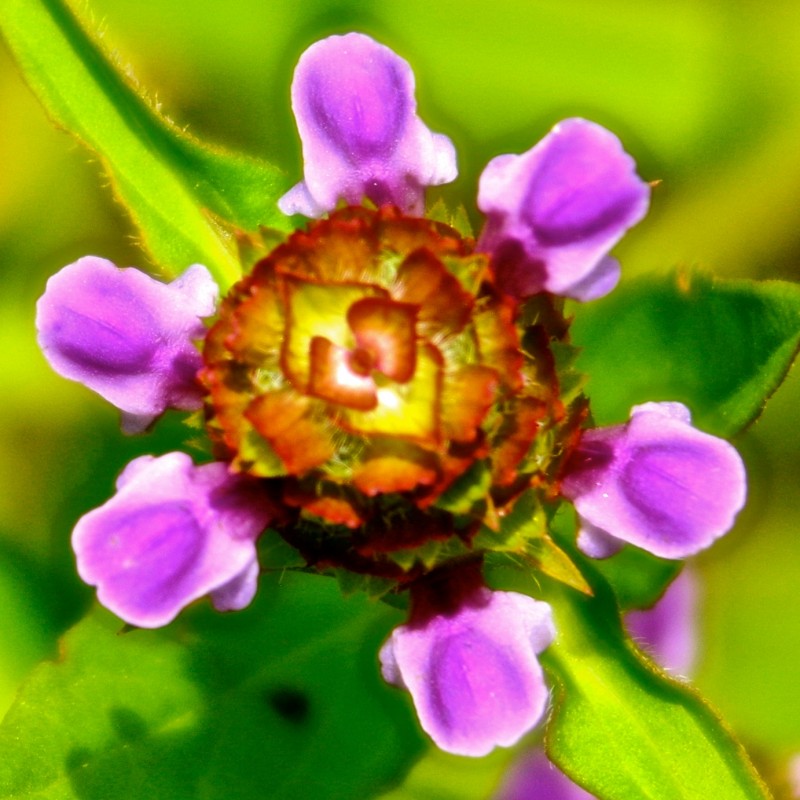
Laminaceae for Herbalists
Laminaceae - Mint The square stem and opposite leaves are dependable markers for this family although there are a few exceptions: • Thymus is a genus that lacks a square stem • Verbena and Nettles are non-mints with square stems. As these exceptions are rare and easy enough to remember, these guidelines remain helpful. Many mints are famously aromatic and high in essential oils. Mint essential oils generally have a relaxing, anti-spasmodic effect. In general, plants in the mint family have at least one of the following actions: ~Carminative - improves digestion through a relaxing effect on the GI tract […] See More
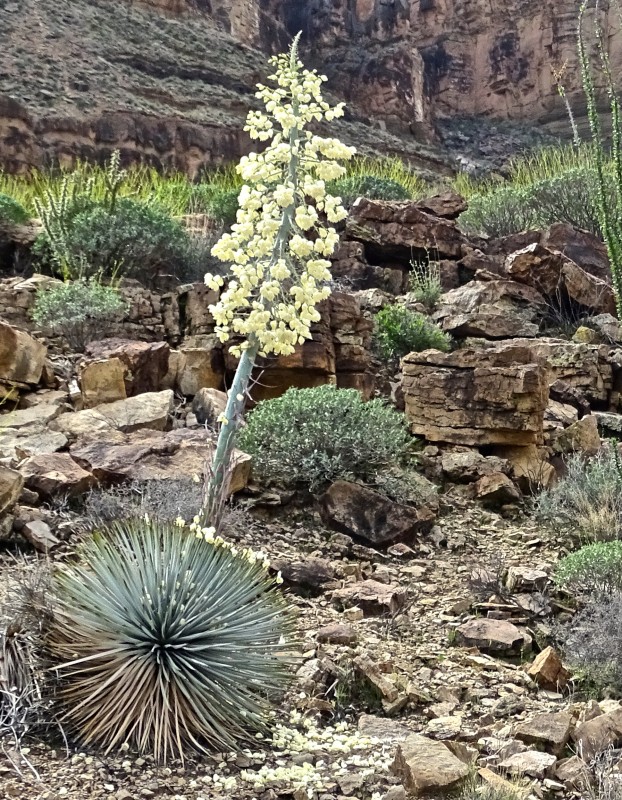
A Special Yucca at the Grand Canyon
I had a nice surprise in mid-March during a hiking trip in the western end of the Grand Canyon. My group came across “Hesperoyucca newberryi” in full bloom. This was a first for me and quite special. This plant used to be (and sometimes still is, depending on the source) in the Yucca genus, where it was known as Yucca whipplei or the Whipple yucca. It has recently been put into a separate and new genus. This particular species is found only in NW Arizona, on slopes of the Canyon. This plant is semelparous, meaning it flowers once, then dies, […] See More
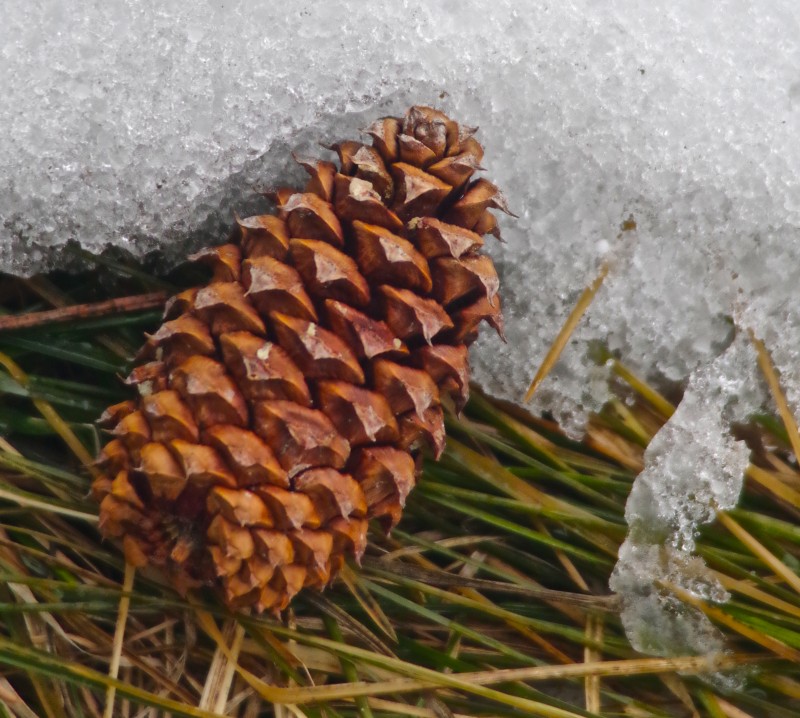
Pinaceae for Herbalists
The Pinaceae family, commonly known as the Pine family, includes the Spruce (Picea) and Fir (Abies) genera in addition to the Pine (Pinus). Cedar is also in this family although the common cedar in the southwest is actually juniper, a member of the Cypress family. There are no true cedars native to the area. Therapeutically, the volatile oils from these trees are found in the needles and resin. The essential oil is high in monoterpenes, specifically the pinenes and limonenes. Their warming, light energy is especially beneficial to the respiratory system. A wide variety of herbal pharmacy is made from […] See More
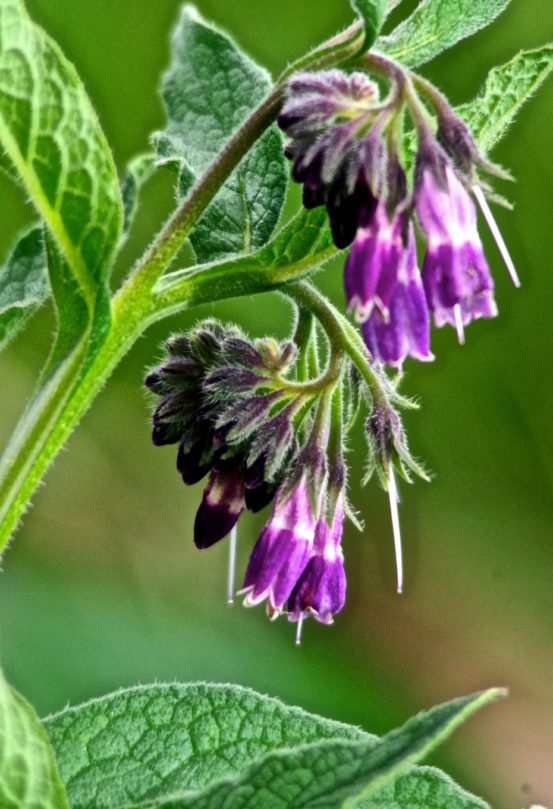
Comfrey & Pyrrolizidine Alkaloids
Safety issues connected to the internal use of various Comfrey (Symphytum officinale, S. uplandicum x) species have been a controversial topic since I became active in the herb community in the early 1990s. Many presentations in articles, blogs, classes and conferences prefer to address the therapeutic benefits of this plant and avoid directly giving information on the question of safety. The presentation usually has some version of "Do your own research and make your own decision" about comfrey. The main drawback to this approach is the reader - student is left with no guidelines on where or how to get […] See More
Plant Profile: Shatavari
Common Name: Shatavari in Ayurveda Tien Men Dong in TCM Botanical Name: Asparagus racemosa - Shatavari Asparagus cochinchinensis - Tien Men Dong Energy & Taste: Cool, moist Traditional Uses: Increases breast milk Reproductive tonic, it is best known for women but works well with men also Supports endocrine system which helps to balance hormones Moisturizes tissues throughout the body so it is especially good for Vata or any systemic dry condition Yin tonic One of the primary herbs in the Ayurvedic tradition for menopausal hot flashes Quality & Cost: Good quality powdered herb is affordable and available from Ayurvedic suppliers […] See More
The Role of Cortisol in Health and Disease
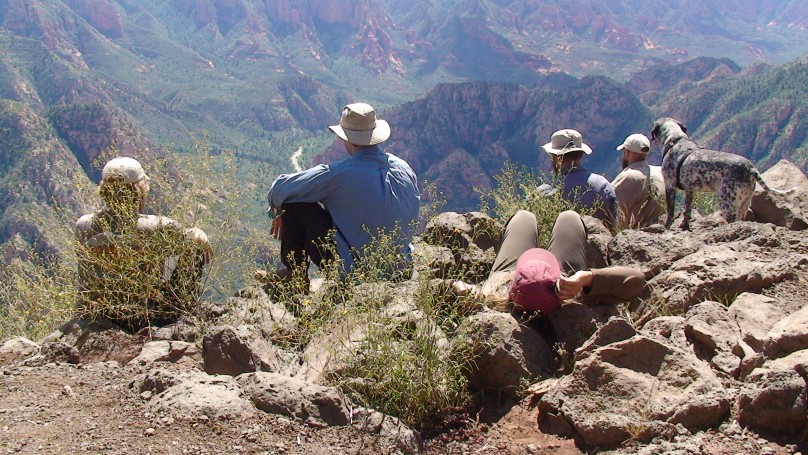
Cortisol is commonly known as the “Stress Hormone” and is released by the adrenal glands in stressful situations. It is primarily a catabolic hormone as it signals the body to release energy for what it perceives to be an emergency survival situation. It has short term beneficial effects when stress is sporadic and short term. It has profound long term detrimental effects when stress is chronic. For most people who live within the influence of fast-paced 21st Century lifestyle, chronic stress and the resulting long term levels of excess cortisol are a primary health problem. The detrimental effects are far […] See More
Plant Profile: Hawthorn Berry
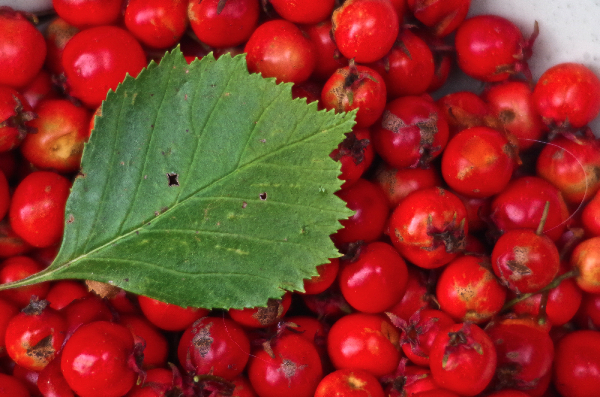
Botanical Name: Crataegus spp. There are many Crataegus species. While there are personal favorites among many in the herb community, there are no definitive therapeutic differences among the various species. Family: Rosaceae Common Names: Hawthorn(e). The small tree flowers in May so some form of this month’s name is often used such as Mayflower or May Blossom. In the Southwest, it is simply known as Hawthorn. Part Used for Medicine: The ripe red berries have the longest history of use and the most research. Leaves, flowers and even thorns are used by some herbalists. Habitat in Which it is Found/ […] See More
Plant Profile: Red Root
Botanical Name: Ceanothus fendleri and Ceanothus. spp. Many species are used and most herbalists use their local species. Ceanothus fendleri is common in the ponderosa forest around Flagstaff and in northern Arizona. This species has a low bush, ground cover growth habit. It grows about 2' in height and 2'-5' in diameter. Family: Rhamnaceae Common Names: Red Root, New Jersey Tea Southwest Habitat: There are many species. C. fendleri is commonly found in the ponderosa forest between 6-8,000’, usually on slopes. Energy & Tastes: Astringent, slightly warming (unusual for an alterative), dry, sometimes aromatic Chemistry: Ceanothenic acid has been identified […] See More