Educational Resources
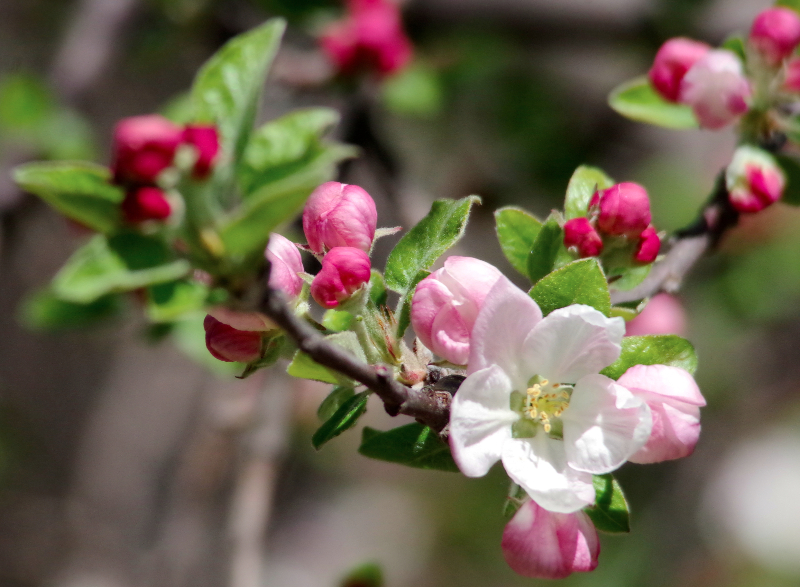
Foraging in Old Orchards
Many people come to classes wanting to know of the wild foods available in the backcountry. It is easy to overlook an abundant source that may be nearby. We just harvested two huge backpacks worth of delicious organic, wild(?) apples from some long ago forgotten trees back in the woods. They may not be truly a 'wild' food, but they were certainly a bit more feral than the cardboard-tasting varieties found at the supermarket. Although this happened in the high country of Arizona, it reminded me of childhood feasting in Ohio on pear, apple and cherry trees from abandoned homesteads, […] See More
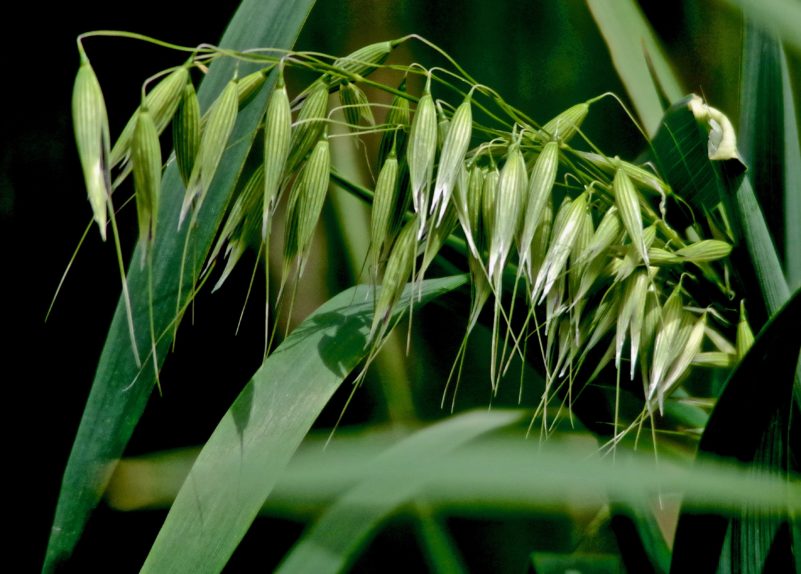
Plant Profile: Milky Oats
Botany: Avena sativa is the cultivated species and is most common Avena fatua is the wild species Family: Poaceae Common Names: Milky Oats, Milky Oat Seed, Wild Oats Southwest Habitat: It is not common in the wild in the Southwest. I have seen it a bit in Oak Creek Canyon and along the Verde River. These patches are either too small to harvest from or have been wiped out by wildfires. It is relatively straightforward to cultivate and some herbalists I know plant a patch in their garden each year specifically to harvest the milky seeds. Energy & Tastes: Slightly […] See More
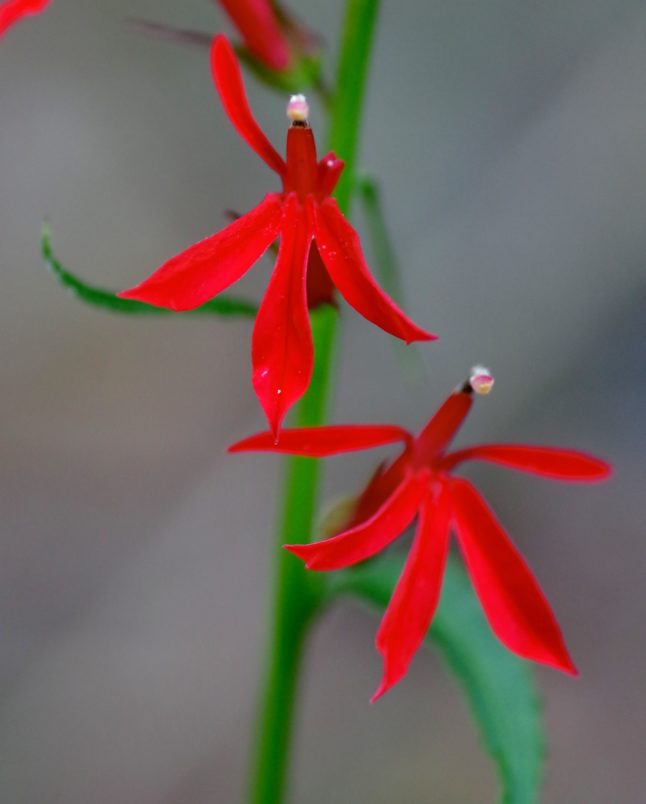
Plant Profile: Lobelia
Botanical Name: Lobelia inflata is most common in Western herbalism Lobelia cardinalis is most common in the Southwest Family: Lobeliaceae, also known as the Bellflower Family Common Names: Indian tobacco, Pukeweed, Cardinal Flower Part Used for Medicine: The seeds are considered the strongest medicine. Flowers and leaves are usually collected along with the seeds Habitat in Which it is Found: In general, lobelia prefers damp environments. In northern Arizona, look for it near seeps and springs. It especially likes damp sandstone vertical walls like those found in Zion NP. It will be found growing literally along the face of the […] See More
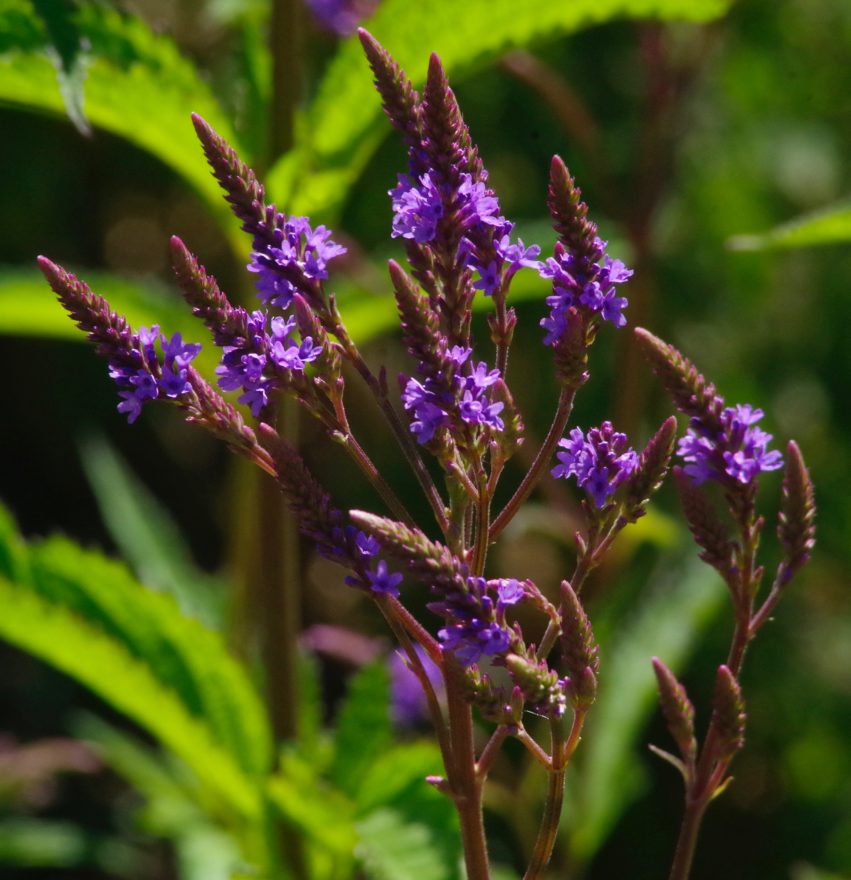
Plant Profile: Verbena
Botany: Many Verbena spp. are used in the herb community. V. officinalis is common in Europe V. hastata is common in North America Verbena macdougalii is common in northern Arizona In the Verde Valley and Sedona, Glandularia spp. is in the same family and is used the same as Verbena. The family is Verbenaceae. Verbenas used to be in the Mint family (Laminaceae) and share the well known square stem and opposite leaves. Common Names: Vervain, Blue Vervain Southwest Habitat: Above 6,000’, Verbena macdougalii is a flower of the meadows and open spaces rather than the deep forest. Late […] See More
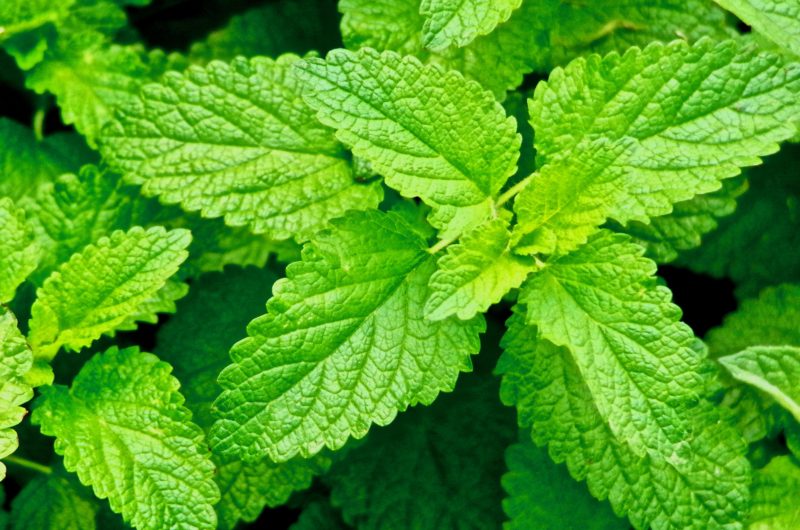
Plant Profile: Lemon Balm
Botany: Melissa officinalis (Laminaceae) Common Names: Lemon Balm Southwest Habitat: Commonly cultivated. I have never found it growing wild. The best place to look for it outside of cultivation is near old homesteads like those in Oak Creek Canyon. Energy & Tastes: A delightful lemon-y taste. The energetic view of sour varies by herbal tradition. Ayurveda considers this taste warming which is true for vinegar. However, many sour herbs in the Western tradition are definitely cooling. Lemon Balm is a classic mildly cooling sour. Drying. Ayurveda It relaxing effect is beneficial for Vata. Its cooling effect is beneficial for Pitta. […] See More
A Recipe for Wild Greens Pesto
Late summer in the ponderosa forest, after the monsoons have taken effect, is my favorite time for wild greens. The two primary greens found here are goosefoot and amaranth. A nutritional profile from the USDA lists these two greens, along with dandelion leaves, as the three healthiest ‘weeds’ available to us. Besides the nutrition, another bonus is that they are quite palatable; foods I would gladly choose to eat. (Plus they are free and they get us out into nature, which is nutrition for our soul. But that isn’t the point of this post.) In addition to eating them raw […] See More
The Importance of Regular Attendance
Regular attendance in any of the longer programs at the Foragers Path is essential to gain as much benefit as possible. The curriculum is cumulative - meaning that each meeting is built upon what was shared in previous meetings. Past experience has shown that being absent for the topics presented during a given class makes it more difficult to have a working understanding of topics shared in later meetings. The reduced benefit has also been seen for people arriving late or leaving early on a given day. Attendance also refers to being mentally present during class. At its core, learning […] See More
Photo-Toxic Essential Oils
Some essential oils contain furanocoumarins. These organic chemical compounds can cause phyto-photo-dermatitis, which is the skin's hypersensitivity to the UV rays of sunlight. Possible skin reactions include stinging, itching, blisters and burning. When using essential oils on the skin, it is important to either avoid using furanocoumarin oils or avoid exposure to the sun for at least 24 hours after application of oils. Some essential oil references simply state that citrus oil are photo-toxic. More specifically, essential oils from some plants in the Umbelliferae (Parsley) and Rutaceae (Citrus) families need to be avoided. The following chart shows which oils are […] See More
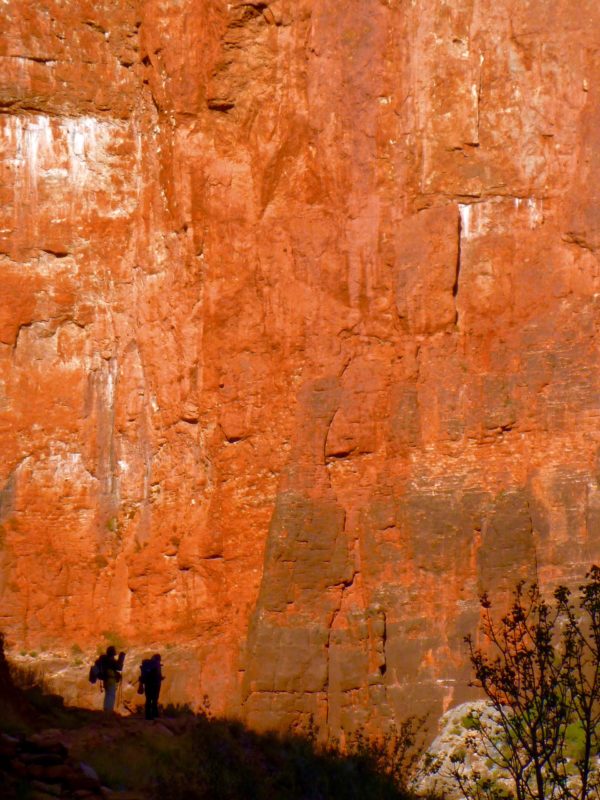
Ayurveda and The Grand Canyon
I recently completed guiding a week-long trip to the bottom of the Grand Canyon for our local university. As we happened to be hiking during the wettest and stormiest weather of the past several months, Water quickly became the theme of our trip. It got me thinking about how this all relates to the Element of Water in the Ayurvedic view. Ayurveda recognizes the 5 Elements as Space, Air, Fire, Water and Earth. Each has an essential role to play in our lives and our health. Too much or not enough of any element creates imbalance and eventually disease. During […] See More
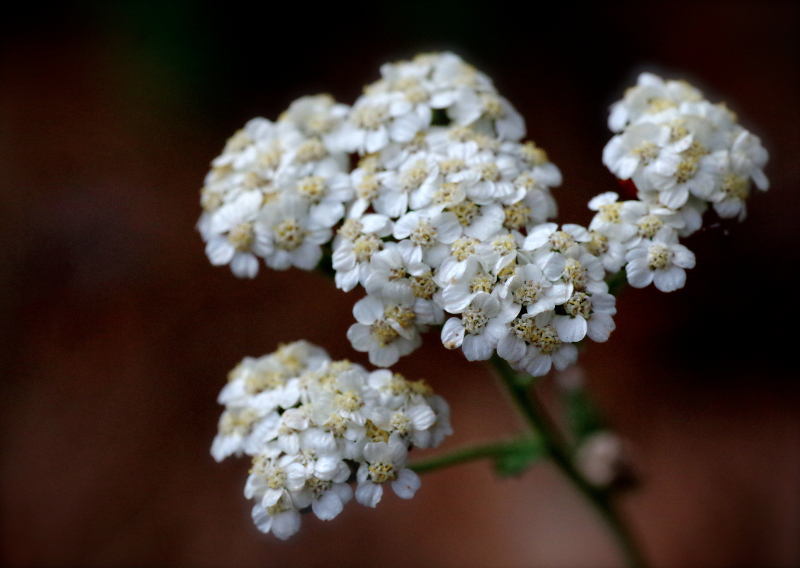
Plant Profile: Yarrow
Botanical Name: Achillea millefolium, A. lanulosa There is an ongoing discussion whether these species are the same. A. millefolium is more commonly used. Named after Achilles the warrior, the plant has a long tradition of stopping external bleeding. Millefolium refer to the alternate leafed ‘thousand leaves’ of the foliage. Blooms from May through September in the American Southwest. Family: Compositae Common Names: Yarrow, Woundwort, Plumajillo Southwest Habitat: 5,000’ - 8,000’ in forest, meadow and riparian habitats. Resilient to many types of soil and climate, widespread and abundant Energy & Tastes: Yarrow is primarily bitter with some astringency. Its volatile oil […] See More