
Educational Resources
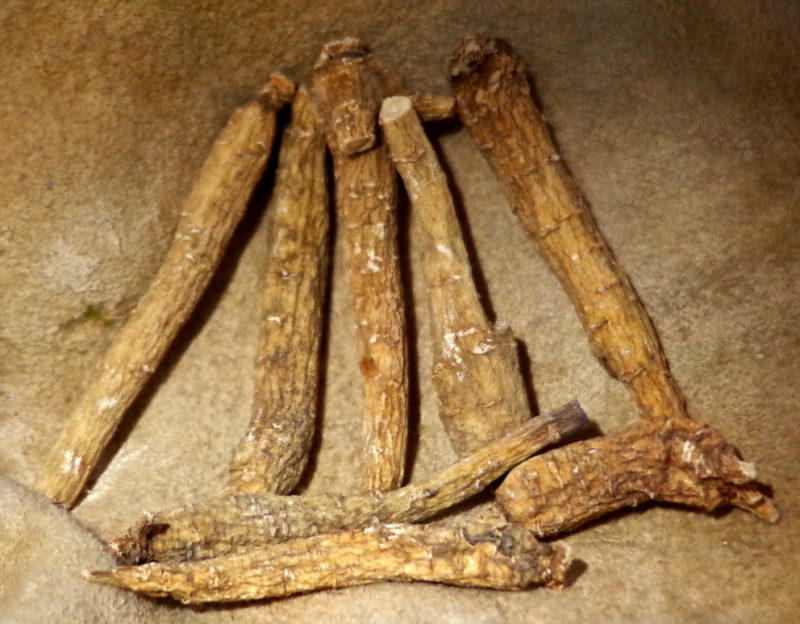
Plant Profile: American Ginseng
Botanical Name: Panax quinquefolium Family: Araliaceae Common Names: American Ginseng Primary Characteristics for Field ID: Native to the Appalachians, Panax is not found in the wild in the West. Part Used for Medicine: Root Habitat in Which it is Found/ Harvesting Season/ Special Considerations: It is never wildcrafted in the Western US. Buy the best quality one can afford. In order of potency and cost - wild, woods grown, cultivated. The older the root, the better as the roots store potency with age. It has been overharvested in the wild although it can be wildcrafted sustainably. Know the picker personally […] See More
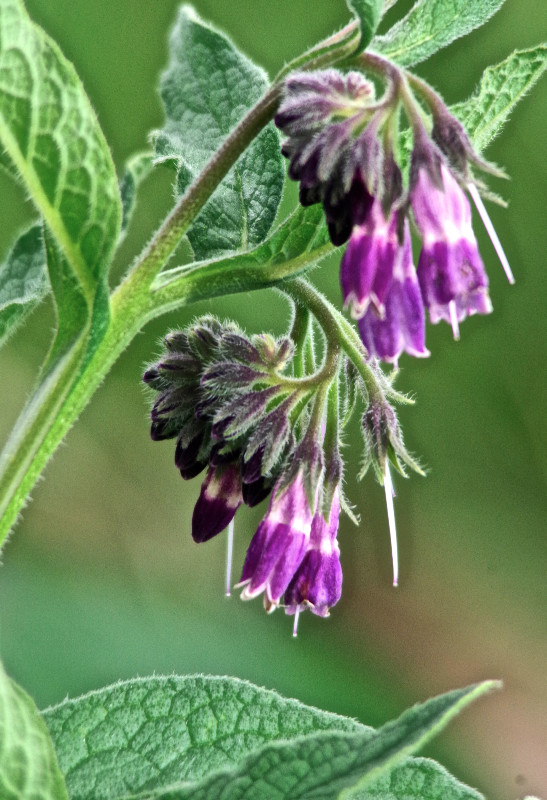
Demulcent Herbs: Action & Energy
Demulcent (internal) or Emollient (external) Moistens tissues, soothes inflammation Energy is moistening and usually cooling Works systemically, does not need to come in contact with a particular surface, such as the lungs or bladder Many contain mucilage, has a slimy, viscous feel Will loosen and relax tissues that are tense due to dryness Uses Dryness and irritation of the respiratory, digestive & urinary systems Excess dryness or heat caused by dryness Dry coughs Dry irritated sore throat Dry constipation Irritation from bladder infection Topical burns, especially sunburn Soothing to topical inflammation Energetics of Demulcents: All are Moistening Cool Mallow - […] See More
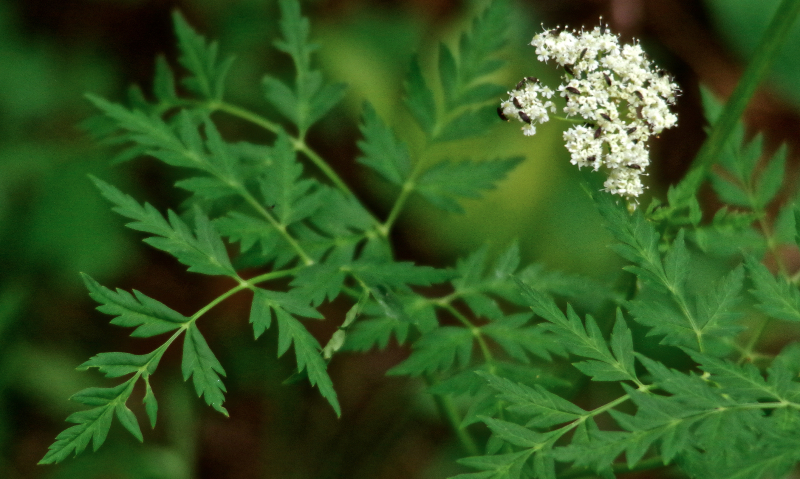
Plant Profile: Osha
Botanical Name: Ligusticum porteri Family: Apiaceae Common Names: Osha Chuchupate Bear Root Porter’s Lovage Part Used for Medicine: Its aromatic root. The seeds are classic Apiaceae seeds and similar to fennel, dill, caraway and ajwain. They are edible but not as commonly used. Southwest Habitat: It prefers slopes and higher elevation meadows, in partial shade between 7-10,000’. Not uncommon in the right environment of the SW Colorado Rockies. Energy & Tastes: Bitter, spicy, woodsy, earthy, warming, drying, Preferred Method of Preparation: Either fresh or dried root tincture, both work very well. One can also simply place a small piece of […] See More
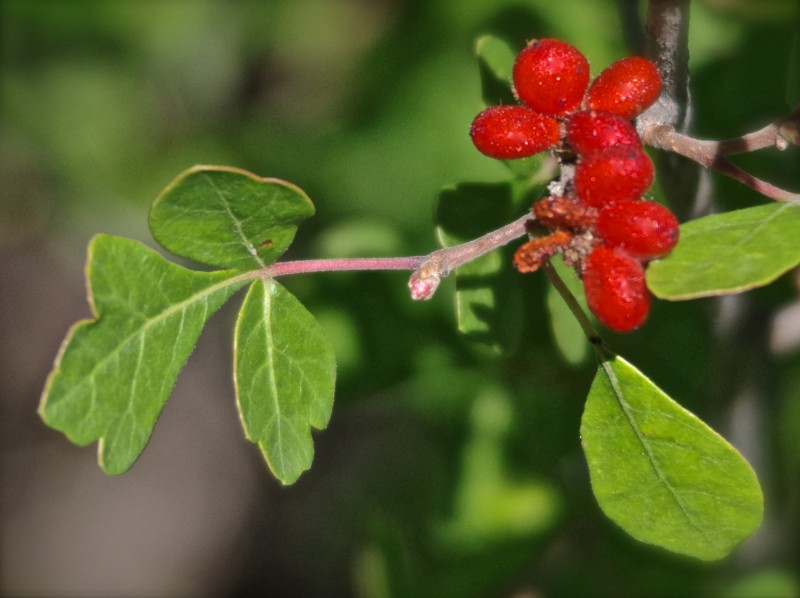
Anacardaceae for Herbalists
Anacardaceae - Commonly known as the Cashew or Sumac Family Plants in this family can be poisonous, medicinal or edible Some edibles are: Cashew Mango Pistachio The Toxicodendron genus includes poison ivy, poison oak and poison sumac. These plants all contain urushiol oil which gives the leaves a waxy look and causes the infamous itch and skin irritation. Sumac (Rhus spp.) - Staghorn sumac is more tree-like and is commonly found in disturbed soil at many elevations in the Southwest. The most widespread native sumac between 4,000' and 7,000' is Rhus trilobata which has astringent leaves and edible berries. See More
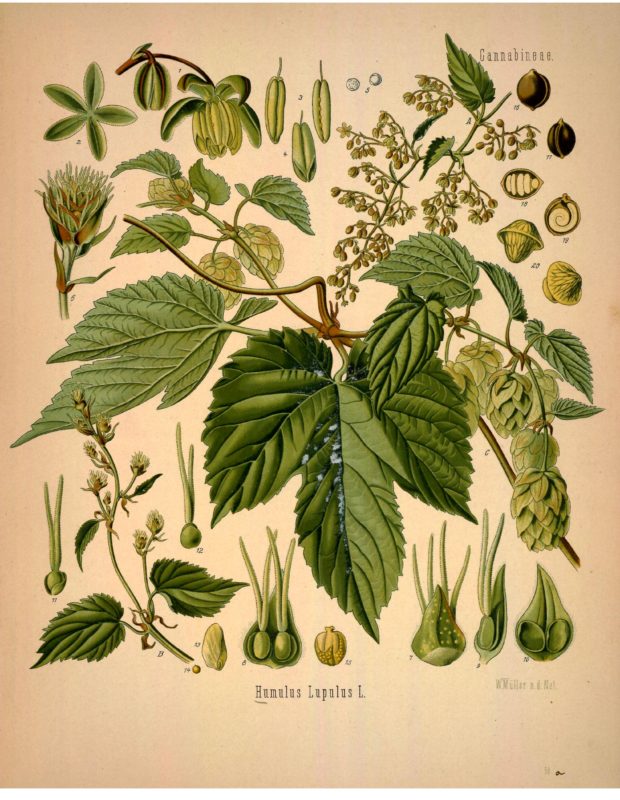
Old Time Botanical Prints
I am especially fond of the old time hand drawn and colored plant illustrations that were common before the age of *immediate.posting.of.photos.on.social.media* became the norm. Don't get me wrong. I am a huge fan of photography and love sharing my own plant images on the web. But there is something very relaxed, slow and mindful about these illustrations. They remind me of the difference between fast food and slow food. From an academic - botanical view, the artists who created these prints included the specific features of each genus or species that is used to identify and categorize the plant. […] See More
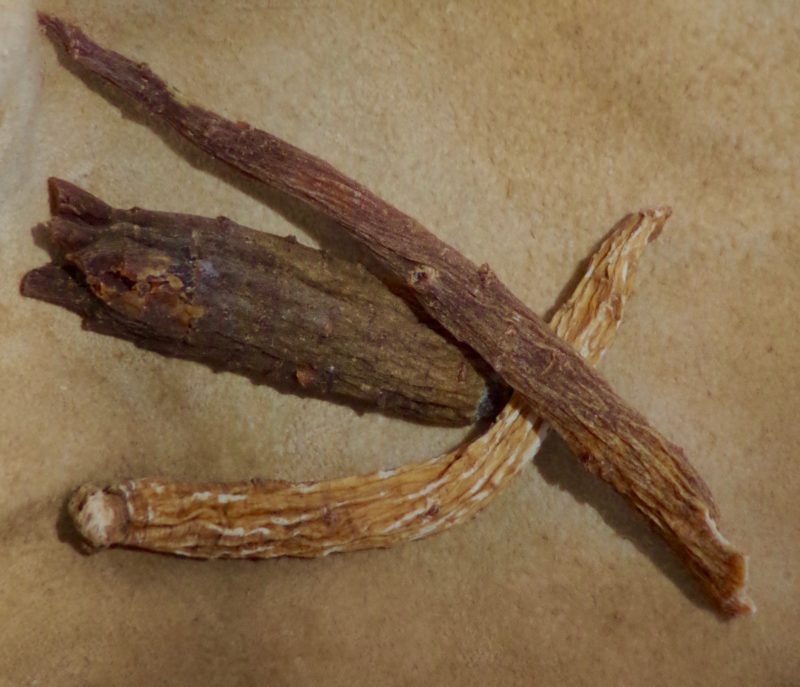
Plant Profile: Chinese Ginseng
Botanical Name: Panax ginseng Family: Araliaceae Common Name: Chinese or Korean Ginseng, these names refer to the same plant grown in different countries. Part Used for Medicine: Root Habitat in Which it is Found/ Harvesting Season/ Special Considerations: There are wide variations in both cost and quality on the ginseng market along with less than honest advertising. Ginseng quality: the best - wild, then woods grown, then cultivated. Quality is also determined by the age of the root. A three year old root is lower in accumulated chi than a seven year old root. The younger root is correspondingly cheaper. […] See More
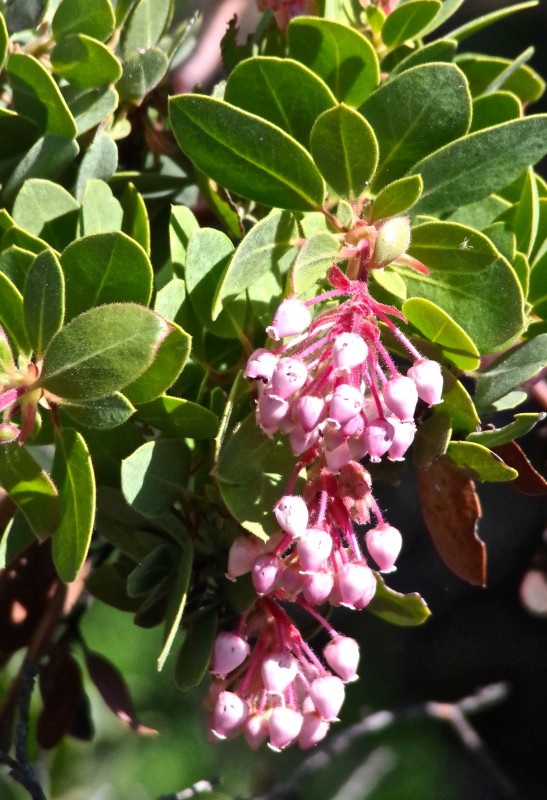
Plant Profile: Manzanita
Botanical Name: Arctostaphylos pungens or A. pringlei Arctostaphylos uva ursi grows at higher elevations, mostly above 8,000'. Family: Ericaceae Common Names: Manzanita Part Used for Medicine: Leaves Habitat in Which it is Found/ Harvesting Season/ Special Considerations: Manzanita refers to the red berries that resemble small apples, a favorite of birds. This evergreen bush is usually 3’-5’ high in the Sedona area although there are rare exceptions that approach a small tree size. At higher elevations and further north in Colorado is Uva Ursi, also known as Bearberry. This is an Arctostaphylos species that has the same therapeutic use […] See More
Five Reasons for Sweet Cravings
The following article is taken from the curriculum presented during the Metabolic Syndrome class. This topic is included in both the Advanced Topics in Herbal Medicine and, beginning in 2019, the Foundations of Herbal Medicine programs. ----------------------------------------------------------------------- Simply informing someone that excess white sugar or processed carbs are unhealthy and should be taken out of the diet is not enough. It is more helpful to look at the source for the need/desire for sweetness and develop a plan accordingly. 1. In nature, foods with a sweet taste are the most physically nourishing. This desire/need for nourishment is also true emotionally. […] See More
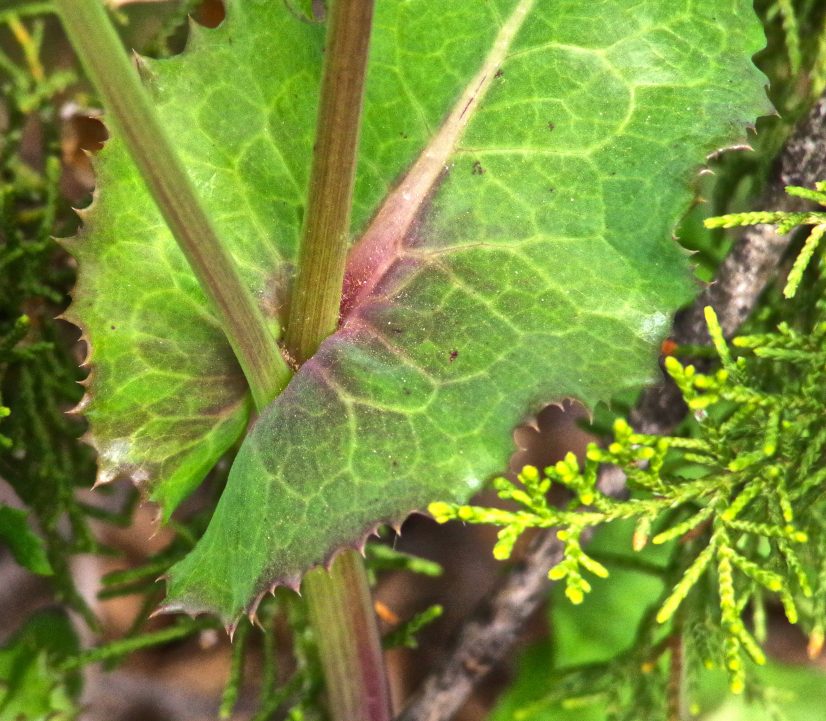
Wild Greens for the Community Herbalist: Sow Thistle
Botanical Name: Sonchus oleraceus Family: Compositae Common Names: Sow Thistle Primary Characteristics for Field ID: The flower closely resembles a dandelion. The leaves are whorled. An annual. Part Used for Food: The leaves and tender portion of the stems Habitat in Which it is Found/ Harvesting Season/ Special Considerations: This plant likes disturbed soil so is found near foot traffic and trails. Look for it where there is some extra moisture and shade from cottonwoods between 3,000’-5,000; in the Verde Valley, around Sedona and at similar elevations in the Grand Canyon. Mostly a spring annual, it is rare in other […] See More
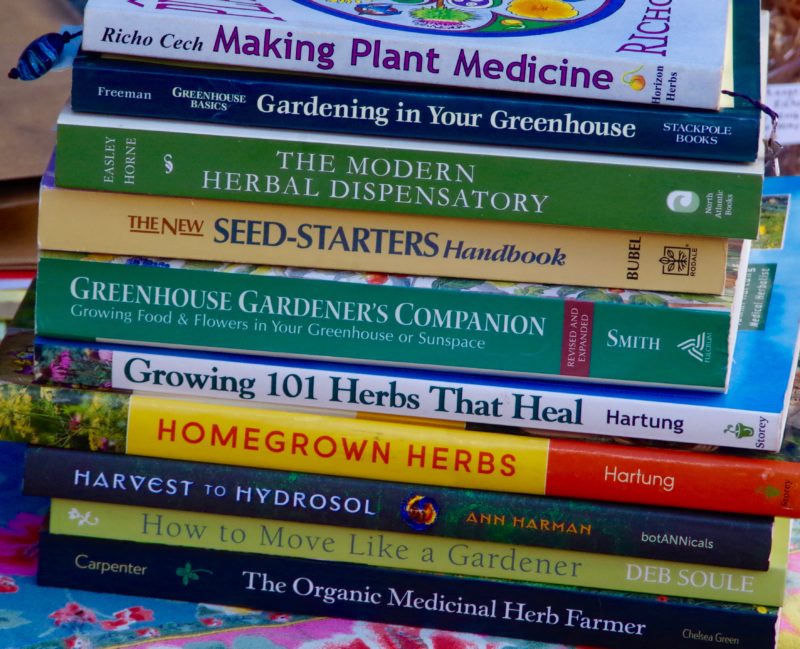
Herb Gardening in Flagstaff
The coming of spring brings with it a renewed interest in the sprouts, buds and shoots of warmer weather and how they can be used to improve our health. Many people are motivated to not only learn the uses of finished herbal products found in the retail world; they are also inspired to connect with healing plants while they are still in the ground. Learning their growing needs and ways to harvest and process plants is an essential part of the herbal path. While the ever increasing interest in using herbal medicine in recent decades has been beneficial in many […] See More