
Wild Foods
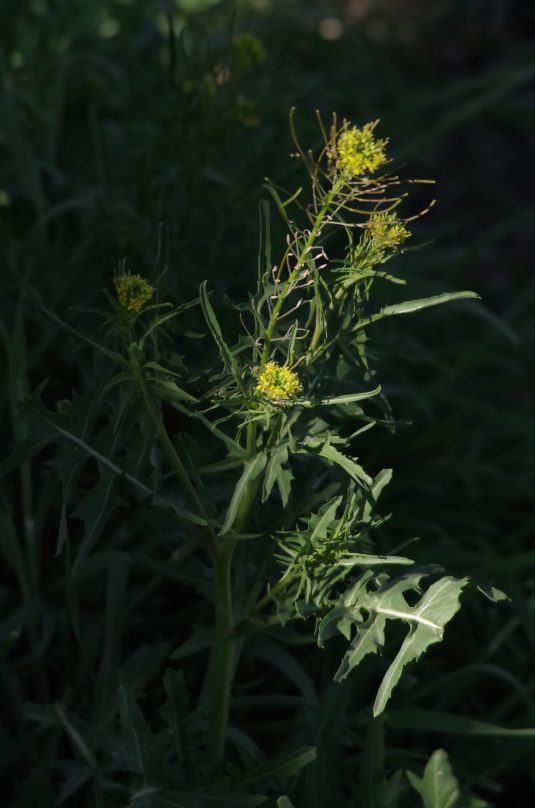
Plant Profile: Wild Mustard
Botanical Name: Sisymbrium irio Family: Brassicaceae Common Names: Wild Mustard, London Rocket Southwest Habitat: Between 1,000’ and 7,500’ - the growing season depends on the elevation. While not native to North America, it is widespread and commonly found in disturbed soil. This is a plant found along trails during Sonoran winter hikes, under juniper trees in the Verde Valley in the spring. Around Flagstaff, it can be found near many trail heads and parking areas in the Ponderosa forest once the monsoons take effect in July and August. An annual, once established it reliably returns each year. Energy & Tastes: […] See More
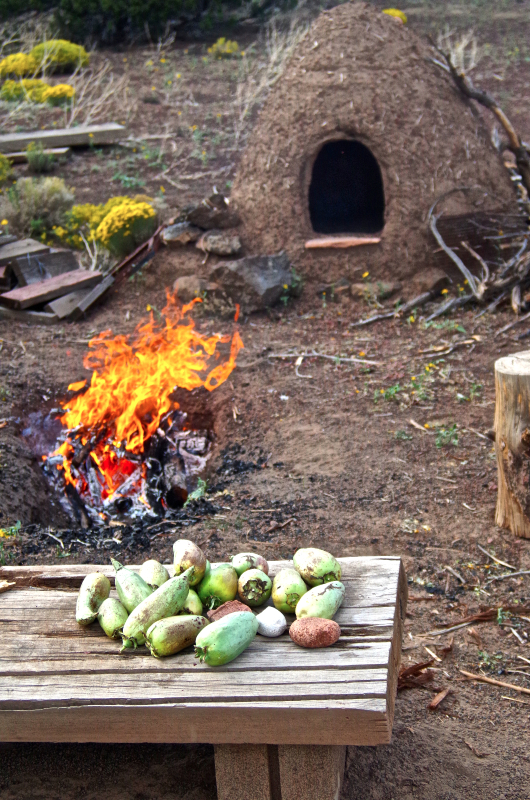
A Fresh View of the Paleo Diet
I am pleased to share an article by Arthur Haines that helps clarify some of the misconceptions around the Paleo Diet. Arthur has some of the very best thinking on diet, health, wild foods and our ancestors from various traditional cultures. The article originally appeared here. This is an Exist Anew guest post by Arthur Haines. This article is a result of recent discussions with a number of people who practice the Paleo Diet. For the record, these discussions were polite and the dialogue centered on pursuit of evidence and application of logical actions in the diet. Grains were a […] See More
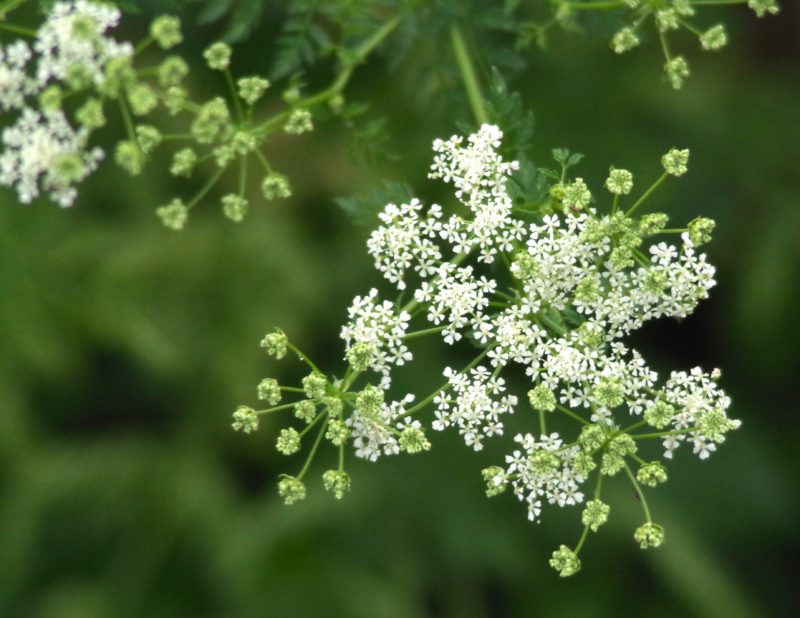
Plant Profile: Poison Hemlock
Whether foraging for greens or wildcrafting herbs, knowing the few toxic plants in one's environment is essential. Poison hemlock is a potentially deadly plant that is frequently encountered in the forests and meadows of northern Arizona. This article and collection of photos is meant to help you identify this plant in your outdoor explorations and have a safe experience. Botanical Name: Conium maculatum Plant Family: Apiaceae, formerly known as Umbelliferae. Common names for this family include the Carrot or Parsley Family Common Name: Poison Hemlock, this plant has no relation to the evergreen Hemlock tree. Other names include Deadly Hemlock, […] See More
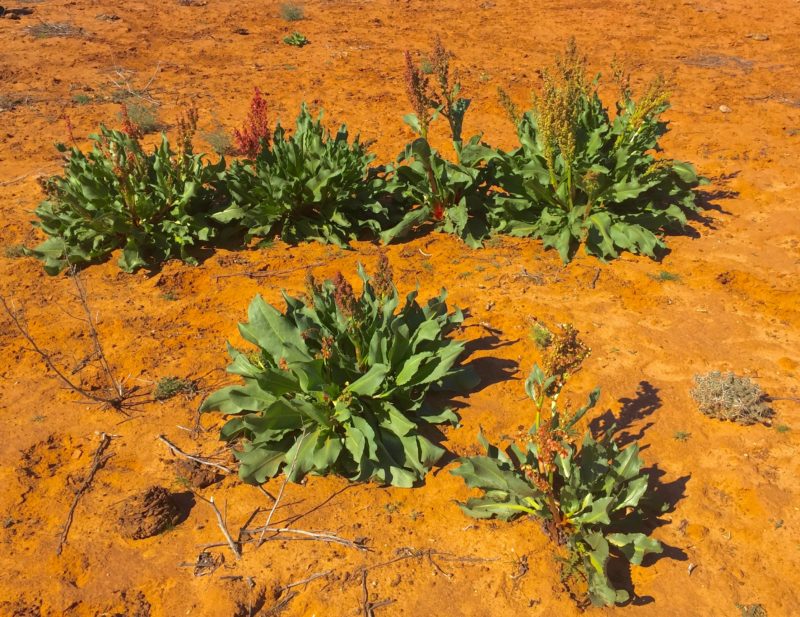
Plant Profile: Desert Rhubarb
Botanical Name: Rumex hymenosepalus Family: Polygonaceae Common Names: Red Dock, Desert Rhubarb, Wild Rhubarb Part Used for Medicine: Tubers Habitat in Which it is Found/ Harvesting Season/ Special Considerations: It is found in sandy areas between 3,000’ and 6,000’. Common in the Verde Valley and the many sandy areas around Page, Arizona. The farthest north I have encountered it is near Moab, Utah. This is a plant that is out of sight for much of the year, surviving the heat of summer by retreating underground into its moist tubers. In northern Arizona, it grows above ground in March and April […] See More
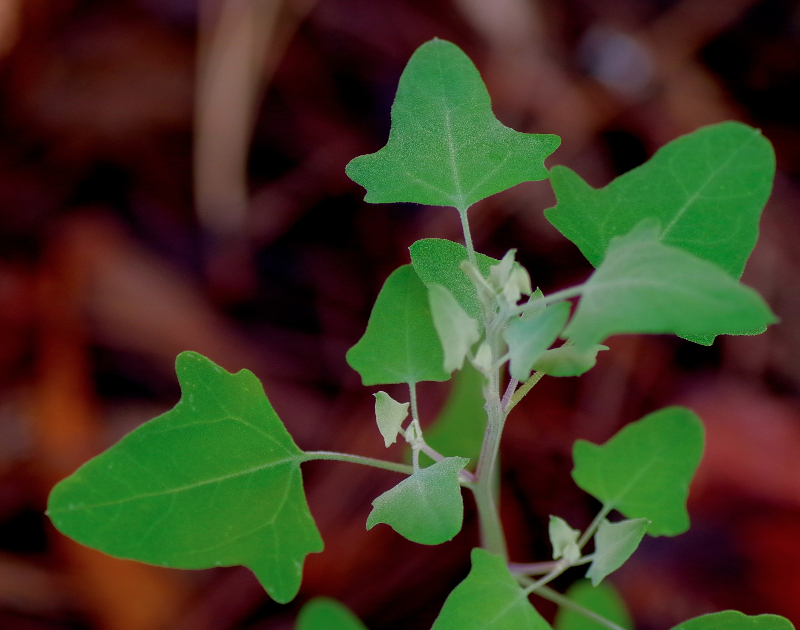
Plant Profile: Chenopodium album
Botanical Name: Chenopodium album Family: Chenopodiaceae Spinach, beets, chard and quinoa are also in this family Common Names: Goosefoot, Lambsquarters Primary Characteristics for Field ID: The leaves are in the shape of a goose's foot which helps with the field ID for a non-botanist. Part Used for Medicine: Fresh leaves and fresh tips Habitat in Which it is Found/ Harvesting Season/ Special Considerations: Very common in the southwest from 3,000’ up to 7500’. It is abundant in the Verde Valley and up through Sedona, Oak Creek Canyon and the Ponderosa forest around Flagstaff. Look for it wherever soil has been […] See More
Brassicaceae for Herbalists
Brassicaceae - Mustard This family is characterized by flowers that have four petals and are shaped like a crucifix, hence the previous family name of Cruciferae. These plants are often edible and tend to have a spicy, hot energy and flavor although some of the domesticated varieties have been bred for a mild flavor. Besides the usual nutrition of vitamins and minerals, plants in this family support Phase I and II liver detox which has far reaching benefits in many areas of health. Many wild greens are in this family. Depending on the species, the leaves, roots or seeds are […] See More
Botany Resources for Herb Students
Botany Books Whether one is foraging for food or wild crafting medicinal herbs, the primary botanical reference for our region is “Botany in a Day” by Thomas J. Elpel. It is extremely well written and user friendly. Several of the following internet sites build off the foundation of this book. It should be the #1 botanical reference purchased by any beginning forager or herbalist. It was recently updated with a 6th edition published in May, 2013. This newest version has color illustrations and updated family and genera names. This book is referred to often during our herb programs. Shanleya’s Quest […] See More
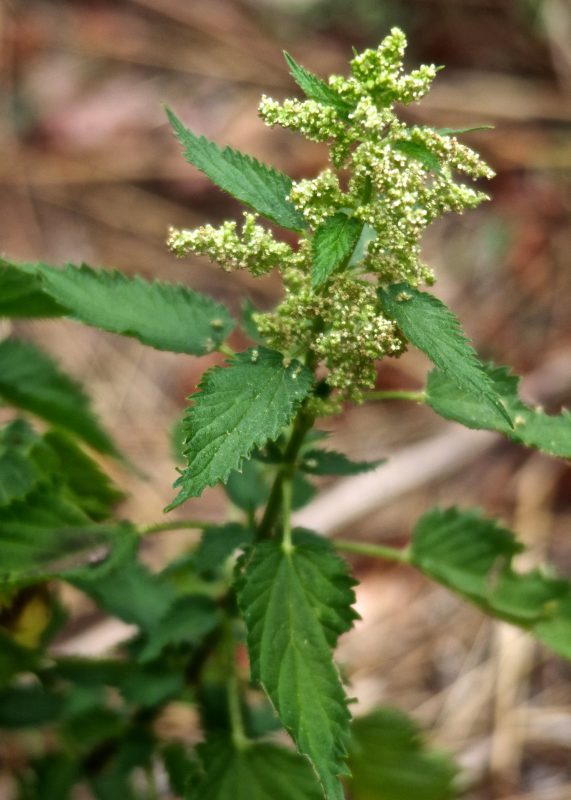
Plant Profile: Nettle Leaf
Botanical Name: Urtica dioica Family: Urticaceae Common Names: Nettles, stinging nettles Southwest Habitat: Nettles like rich, black, damp soil in partial shade. It is most likely found in riparian areas, near seeps or in shady areas where deciduous trees have had the opportunity to help build the soil. It is not at all common in the arid landscapes of Arizona although it is a common weed in many temperate zones. Energy & Tastes: Mild taste and energy - sightly cooling and drying Most wild greens are considered to be at least slightly bitter although I find nettles to have a […] See More
Herbal & Foraging Field Guides for the American Southwest
Book & Internet Resources for Herbal Field Study in Arizona and the Colorado Plateau Field Guides for the Southwest The focus of these books is plant identification rather than herbal usage. In general, books arranged by plant families and that use pen and ink drawings are considered more academic and geared to more experienced botanists. Books that use color photos and order plants according to flower color are considered more user friendly and geared to people with less background in botany. *Wildflowers of Arizona Field Guide by Nora Mays Bowers, Rick Bowers and Stan Tekiela Compact enough for field work. Plants […] See More
Sedona Herbal Medicine
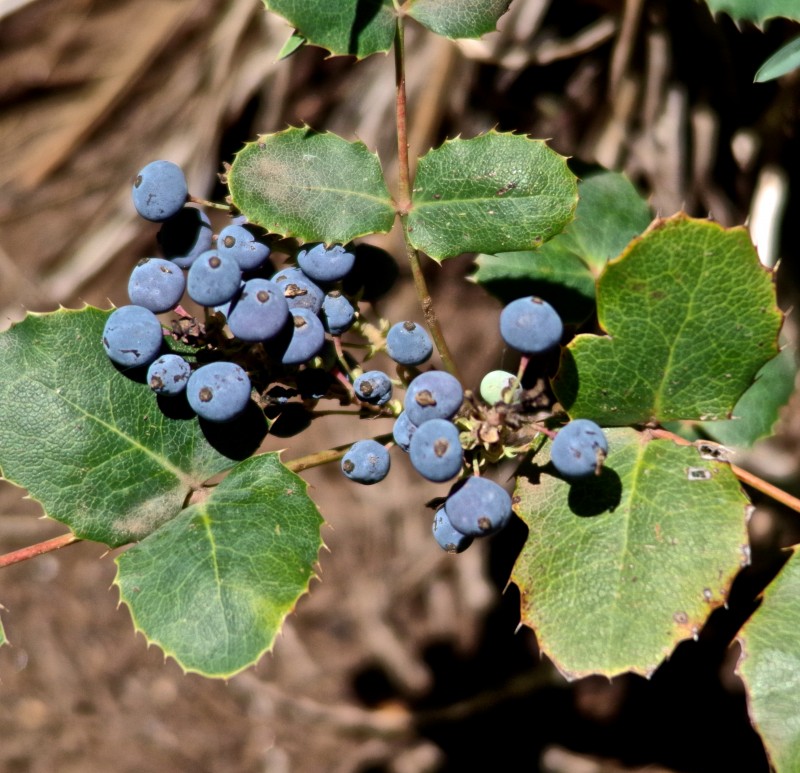
These are images of some of the medicinal plants encountered in the Sedona area during our plant walks and especially as part of the Foundations of Herbal Medicine course. Three Leaf Sumac (Rhus trilobata) is a common member of the Pinon - Juniper zone. Its leaves are astringent due to the tannic acid. The berries have a tangy sourness to them and are high in Vitamin C. The berries can also be added to water to make a lemony flavored drink, hence the common name: Lemonade Bush. [hr] The resin of pinon pine trees (Pinus edulis) is regionally famous […] See More