Wild Foods
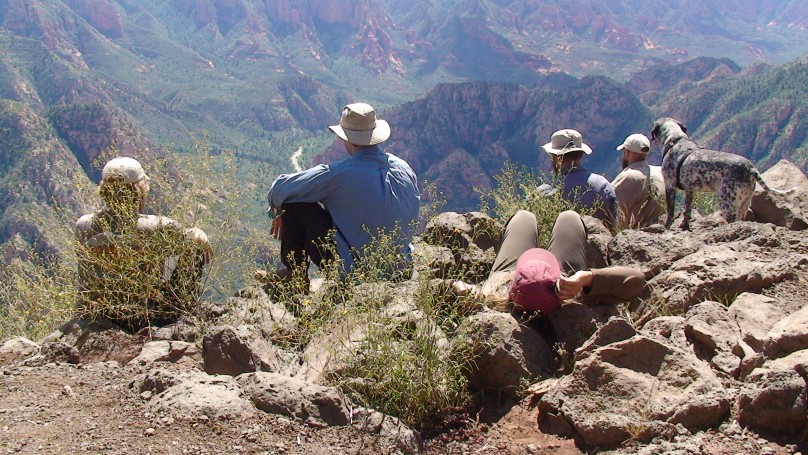
Rewilding: A Connection to Nature
A guest blog by Arthur Haines from the Delta Institute at http://www.arthurhaines.com Rewilding Fundamentals Rewilding is a process for creating humans who can live in a healthful, truly sustainable manner, in close connection with their local landscape (i.e., as part of the wild ecology). It is a trajectory that anyone can follow, regardless of where they live. Experiencing greater health, heightened awareness, further self-reliance, and more real community does not require fully wild living (though it can mean that for some individuals). Each person has experienced some degree of domestication in modern societies. Whether or not people can observe it, […] See More
Wildcrafting: Rights v. Responsibilities
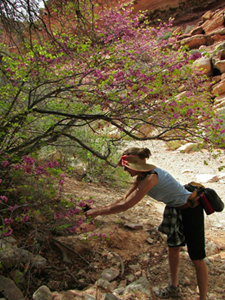
Mindful use of resources is rarely promoted in the consumer culture in which many of us live. If our resources come from a retail store, we take as much as we want, as often as we want. Even if the objects of our desire aren’t affordable, using the all too convenient credit card allows the expense to be put off for another time. Unfortunately, this same mentality is sometimes applied to gathering herbs from nature. Too often, people assume that having the knowledge to wildcraft also gives them the right to harvest whatever, wherever and whenever they desire. Knowing the […] See More
Guidelines to Harvesting Plants for Food or Medicine
Growing and wildcrafting the plants we use are beneficial in many ways. Simply being aware and in nature with the plant world is healing. It is the ultimate in quality control since you personally are overseeing the process from planting to picking to processing to medicine making to the actual use of the herb or food. Being involved in this process deepens our connection to nature and makes us pro-active in our own healthcare. A well trained herbalist has precious skills and knowledge that can benefit many people. These come with a responsibility; to the plants and their environment and […] See More
Wild Food Nutrition
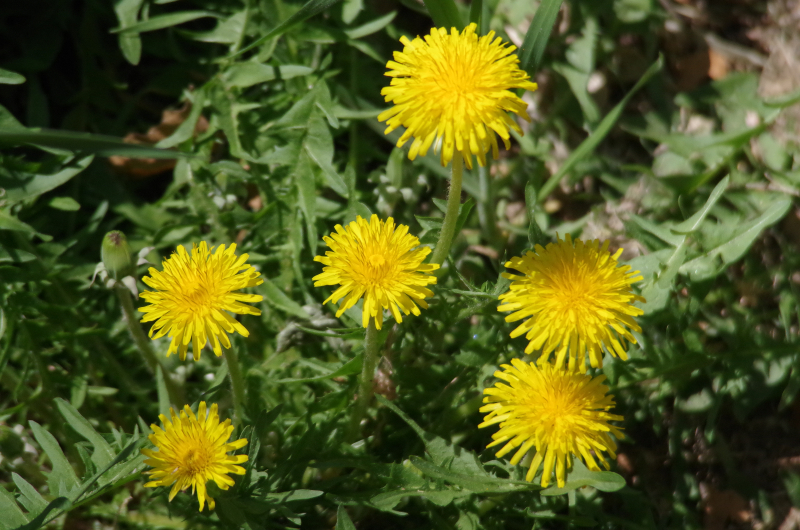
This chart compares the nutritional value of common everyday weeds with some vegetables found at the grocer's. You may be surprised! Click on the chart to enlarge. See More

Plant Profile: Yucca
Botany: Yucca baccata (Liliaceae) Often mistaken for its close relative, agave. The main visual difference is the fibers peeling off along the edges of the yucca leaves while agave leaves have serrated edges with sharp points that loosely resemble shark’s teeth. Common Names: Banana yucca. Southwest Habitat: Found between 3500’ and 7,000’ in Arizona. At its upper ranges, it grows along southern exposures of canyon rims. Very common along the South Rim of the Grand Canyon. below 6,000’, it grows mixed in with pinon, juniper and Opuntia. Energy & Tastes: The fruit has a sweet, starchy taste; like a wilder […] See More
Guidelines to Harvesting Plants for Food or Medicine
Growing and wildcrafting the plants we use are beneficial in many ways. Simply being aware and in nature with the plant world is healing. It is the ultimate in quality control since you personally are overseeing the process from planting to picking to processing to medicine making to the actual use of the herb or food. Being involved in this process deepens our connection to nature and makes us pro-active in our own healthcare. A well trained herbalist has precious skills and knowledge that can benefit many people. These come with a responsibility; to the plants and their environment and […] See More
Modern Day Foraging from a Hunter Gatherer Perspective
Interest in wild foods has been steadily growing over the past several years, both in the herb community and in the mainstream culture. In this article, I will be sharing background information and guidelines that have been helpful in my own ongoing journey of being a modern day forager. Learning the lifestyles of our long ago ancestors has been especially helpful in this area. They ate wild food out of necessity rather than by choice. They had a time-tested way to survive and thrive long term and much of this information is still applicable today. Hunter-Gatherers are in all our […] See More
Recent Herb Publications
Here is a list of books that have been published recently and that I have either read and recommend or that I am eager to read because they look great. 1. Adaptogens in Medical Herbalism: Elite Herbs and Natural Compounds for Mastering Stress, Aging, and Chronic Disease by Donald Yance The author, Donald Yance is one of the world experts on adaptogens (also known as tonics in TCM or Rasayanas in Ayurveda). I have attended workshops with him on this topic and left feeling very impressed by the potential of these plants and Donald’s expertise in helping people. This book […] See More
Taking the Mystery Out of Omega 3 Supplements
Omega 3 is a fairly well known dietary supplement. Yet many people have only a general idea that it is ‘good for you’ in some vague way, usually connected to inflammation. The purpose of this article is to clarify what omega 3 is, why we need it and where to get it. Omega 3 is an ‘essential’ fatty acid. It is essential in our diet because our bodies are not able to produce it. There are other essential fatty acids such as omega 6 and 9. They play a role as pro-inflammatory agents within the body. Omega 3 has a […] See More
Does Organic Mean More Nutrition?
There has recently been extensive coverage in the news about the lack of extra nutrition in organically grown foods. It is important for people to realize that, while organic foods have definite benefits over mainstream produce, higher amounts of vitamins and minerals is not always one of them. Organic means that harmful chemicals have not been added. That alone is quite important and makes choosing these products worthwhile. However, it does not mean that anything especially healthy has been added, such as extra vitamins or minerals. The nutrition in a plant is greatly determined by the quality of the soil. […] See More