
Wild Foods
Diet Strategies for Reducing Chronic & Systemic Inflammation
Included below are the notes used during the Diet, Nutrition and Inflammation portions of our curriculum. It is a succinct look at how the foods we eat affect our internal inflammatory state. While the actual classes go into more detail, the foods listed here are good places to begin improving one's health in this area. There are several strategies for reducing chronic inflammation; diet being a primary one. Many people use fish oil supplements to benefit from the anti-inflammatory effects of Omega 3. Just as important, but not as well known, is to reduce foods that have the pro-inflammatory Omega […] See More
Foraging in Old Orchards
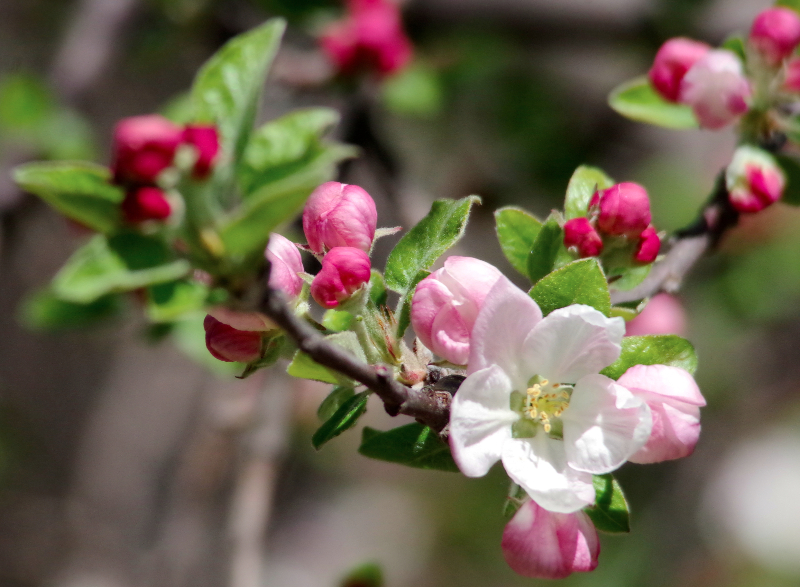
Many people come to classes wanting to know of the wild foods available in the backcountry. It is easy to overlook an abundant source that may be nearby. We just harvested two huge backpacks worth of delicious organic, wild(?) apples from some long ago forgotten trees back in the woods. They may not be truly a 'wild' food, but they were certainly a bit more feral than the cardboard-tasting varieties found at the supermarket. Although this happened in the high country of Arizona, it reminded me of childhood feasting in Ohio on pear, apple and cherry trees from abandoned homesteads, […] See More
A Recipe for Wild Greens Pesto
Late summer in the ponderosa forest, after the monsoons have taken effect, is my favorite time for wild greens. The two primary greens found here are goosefoot and amaranth. A nutritional profile from the USDA lists these two greens, along with dandelion leaves, as the three healthiest ‘weeds’ available to us. Besides the nutrition, another bonus is that they are quite palatable; foods I would gladly choose to eat. (Plus they are free and they get us out into nature, which is nutrition for our soul. But that isn’t the point of this post.) In addition to eating them raw […] See More
Plant Profile: Wild Greens
Why We Should Eat Wild Greens As a group, wild greens are higher in nutrition than domestic produce grown on farms. This is true even for organically grown produce. The generations-long process of domesticating a plant involved selecting for a specific size, color, flavor or ripening date. This happened at the expense of reduced fiber and nutrition, specifically vitamins and minerals. See this chart for specific data in this area. They are free, making high quality produce affordable for anyone. They are “unofficially organic” if harvested from clean places in nature. They are abundant in many areas and life zones […] See More
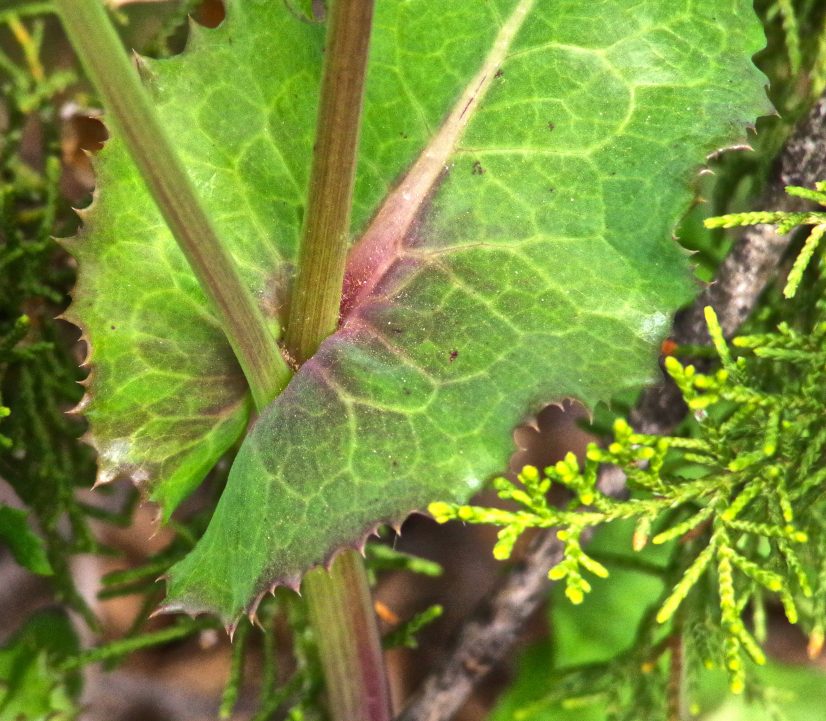
Wild Greens for the Community Herbalist: Sow Thistle
Botanical Name: Sonchus oleraceus Family: Compositae Common Names: Sow Thistle Primary Characteristics for Field ID: The flower closely resembles a dandelion. The leaves are whorled. An annual. Part Used for Food: The leaves and tender portion of the stems Habitat in Which it is Found/ Harvesting Season/ Special Considerations: This plant likes disturbed soil so is found near foot traffic and trails. Look for it where there is some extra moisture and shade from cottonwoods between 3,000’-5,000; in the Verde Valley, around Sedona and at similar elevations in the Grand Canyon. Mostly a spring annual, it is rare in other […] See More
Rosaceae for Herbalists
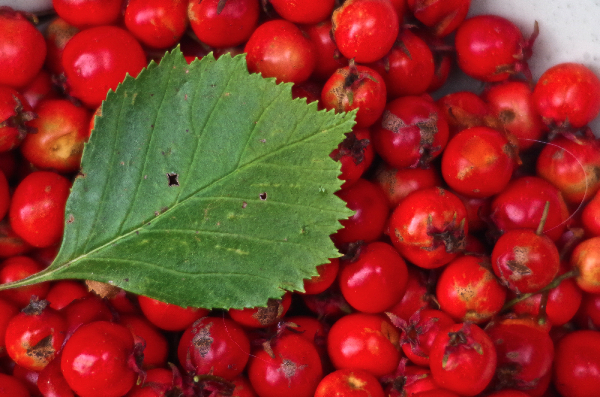
The Rosaceae family, commonly known simply as the Rose family is one of the most important families for both the herbalist and forager to know. One of our very best nourishing heart tonics is in this family along with many edible fruits that are high in anti-oxidants. For the herbalist, plants in this family are sometimes referred to as YARFA (Yet Another Rose Family Astringent), a phrase coined by Michael Moore. He was right, these are dependably astringent and have many applications for that herbal action. This family is large and diverse enough to have sub-families. This article does not […] See More
Diet & Nutrition Resources on the Web
One of the challenges to healthy eating in the modern world is the need to sort through a flood of often contradictory information: all of it claiming to be the most accurate, healthiest and final word in diets. The sources shared on this page are the ones I have used repeatedly over the years and found to be the most helpful and successful in the diet & nutrition-related healing work I do. Each link has multiple layers of articles and secondary links. These are the kinds of resources in which one could happily wander for hours and find each minute […] See More
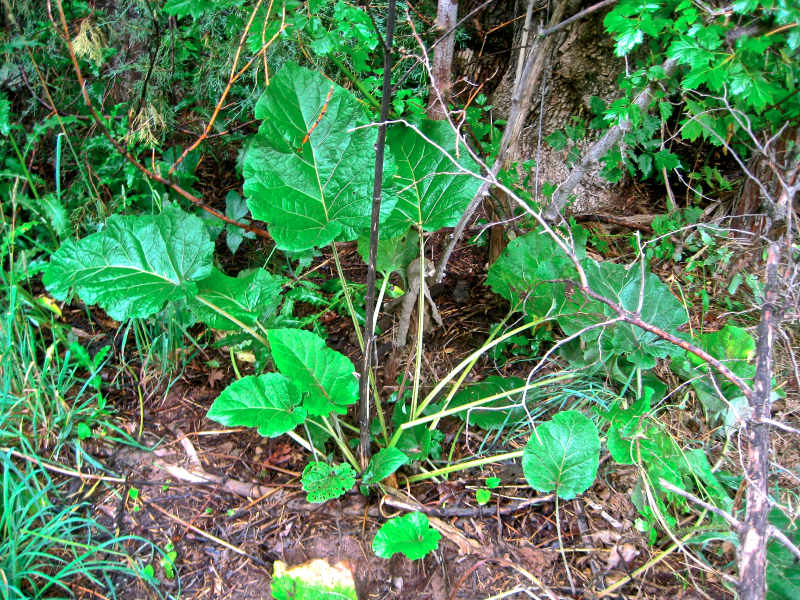
Plant Profile: Burdock Root
Botanical Name: Arctium lappa Family: Compositae Common Names: Burdock Part Used for Medicine: Root Habitat in Which it is Found/ Harvesting Season/ Special Considerations: In Southwest Colorado, it grows in shade, sometimes near streams. Although some field guides list burdock in northern Arizona, I have yet to see it. It is widespread in the Midwest and common in other temperate climates around the world. Also commonly found in Asian grocers where it is known by its Japanese name, Gobo. Energy & Tastes: Cooling, nourishing, mild flavor & energy Wild burdock can be more bitter than the commonly used cultivated root. […] See More
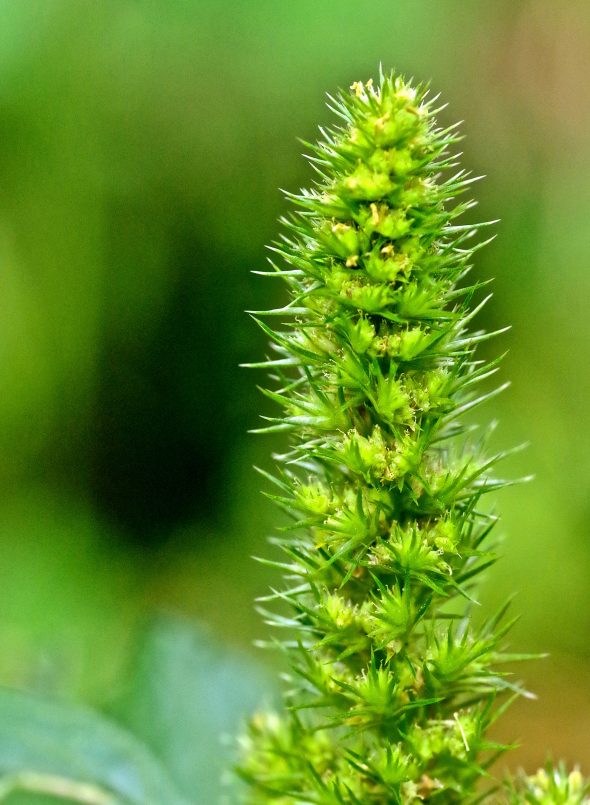
Plant Profile: Amaranth
Botanical Name: Amaranthus retroflexus is very common and 60+ spp. worldwide Family: Amaranthaceae Common Names: Pigweed Primary Characteristics for Field ID: Leaves are lanceolate and alternate along the main stem. Stems are red. Part Used for Food: Fresh leaves and young tips of stems. Older leaves and stems are either bitter, stringy or fibrous. Cultivated amaranth is grown for its large seed heads and is much larger than the wild species referred to here. Habitat in Which it is Found/ Harvesting Season, Special Considerations: Amaranth is widespread around the world. It likes disturbed soils and is often the weed that […] See More
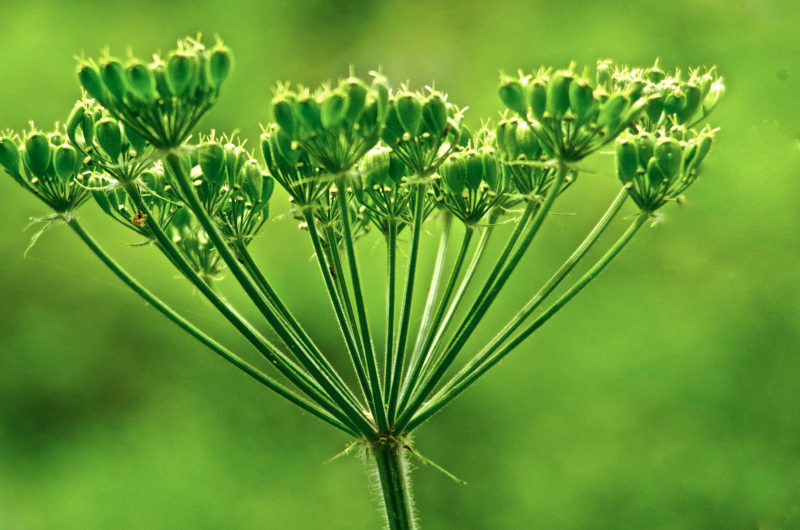
Apiaceae for Herbalists
The common names for the Apiaceae family are either the carrot or parsley family. The old family name was Umbelliferae; some books still show this and occasionally botanists still use this older name out of habit. This is an *extremely* important family to know. One reason is that it has abundant herbs, spices and foods. A more important reason is that two of the deadliest poisonous plants in North America are in this family. The bottom line is: do not wildcraft, handle, nibble or use any plant in this family until and unless you are absolutely sure of its identity. […] See More