
Plant Profiles
Plant Profile: Shatavari
Common Name: Shatavari in Ayurveda Tien Men Dong in TCM Botanical Name: Asparagus racemosa - Shatavari Asparagus cochinchinensis - Tien Men Dong Energy & Taste: Cool, moist Traditional Uses: Increases breast milk Reproductive tonic, it is best known for women but works well with men also Supports endocrine system which helps to balance hormones Moisturizes tissues throughout the body so it is especially good for Vata or any systemic dry condition Yin tonic One of the primary herbs in the Ayurvedic tradition for menopausal hot flashes Quality & Cost: Good quality powdered herb is affordable and available from Ayurvedic suppliers […] See More
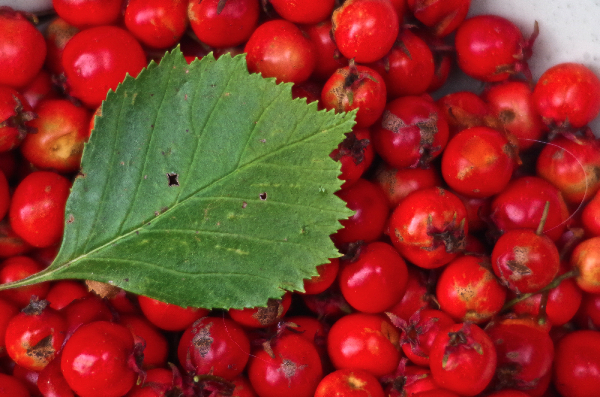
Plant Profile: Hawthorn Berry
Botanical Name: Crataegus spp. There are many Crataegus species. While there are personal favorites among many in the herb community, there are no definitive therapeutic differences among the various species. Family: Rosaceae Common Names: Hawthorn(e). The small tree flowers in May so some form of this month’s name is often used such as Mayflower or May Blossom. In the Southwest, it is simply known as Hawthorn. Part Used for Medicine: The ripe red berries have the longest history of use and the most research. Leaves, flowers and even thorns are used by some herbalists. Habitat in Which it is Found/ […] See More
Plant Profile: Red Root
Botanical Name: Ceanothus fendleri and Ceanothus. spp. Many species are used and most herbalists use their local species. Ceanothus fendleri is common in the ponderosa forest around Flagstaff and in northern Arizona. This species has a low bush, ground cover growth habit. It grows about 2' in height and 2'-5' in diameter. Family: Rhamnaceae Common Names: Red Root, New Jersey Tea Southwest Habitat: There are many species. C. fendleri is commonly found in the ponderosa forest between 6-8,000’, usually on slopes. Energy & Tastes: Astringent, slightly warming (unusual for an alterative), dry, sometimes aromatic Chemistry: Ceanothenic acid has been identified […] See More
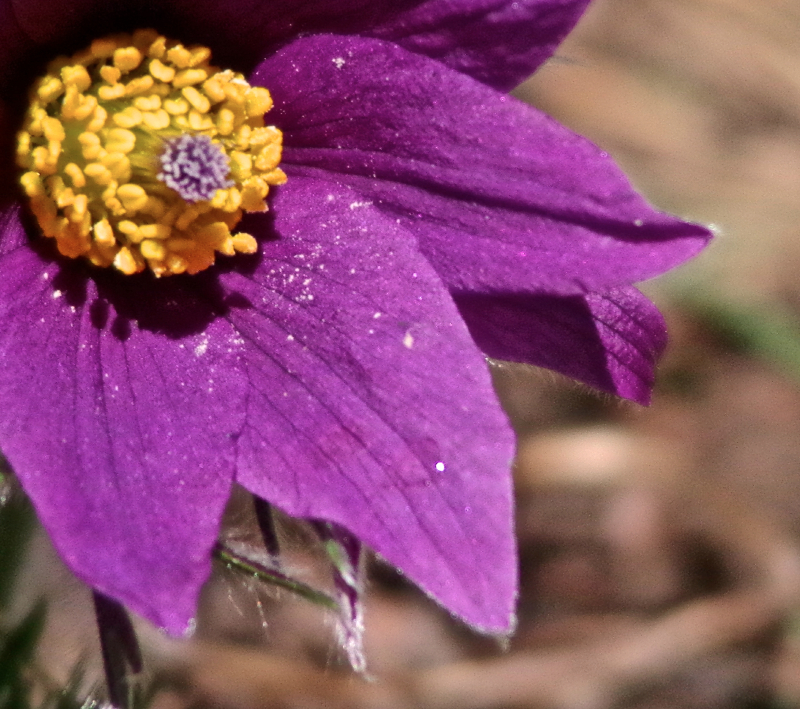
Plant Profile: Pulsatilla
Botanical Name: The botany can be confusing. It is sometimes referred to as Anemone and other times labelled Pulsatilla. In the herb community, I learned it as Pulsatilla. I consider the two names interchangeable. Many species are used therapeutically including Anemone patens, A. tuberosa and A. occidentalis. With some extra TLC, I have been able to cultivate Anemone vulgaris on our property at 7,000’ in northern Arizona. Family: It is in the Ranunculaceae family which connects it to other strong acting, acrid tasting herbs such as Black Cohosh and Clematis. In general, herbs in this family need to be dosed […] See More
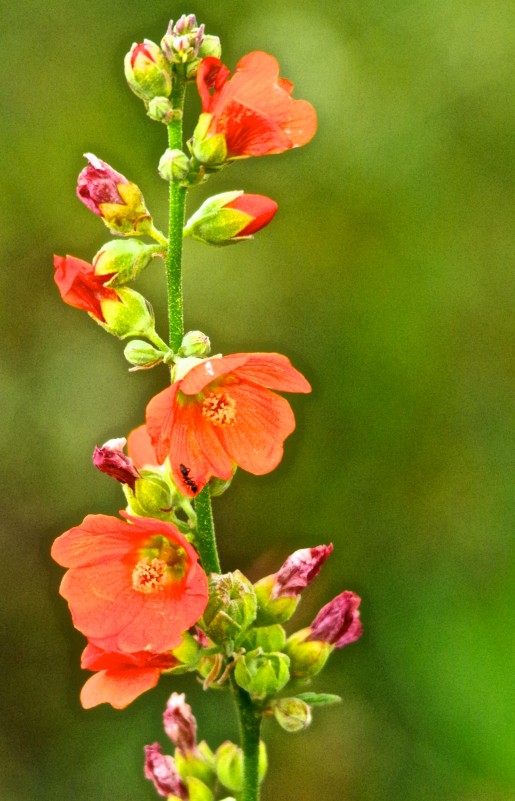
Plant Profile: Globe Mallow
Botanical Background: The Malvaceae family has many plants familiar and useful to herbalists. Marshmallow is Althea officinalis but this is not found in the dry Southwest and is a challenge here even as a cultivated herb. More common in the Southwest is one of the Sphaeralcea species with blooms of various shades of orange. Hibiscus (Hibiscus spp.) and Hollyhock (Althea rosea) are also useful demulcents in this family. The root, leaves and flower can all be used although the root is most commonly used. Common Names: Mallow, globe mallow, sore eye poppy (the leaves have small hairs that are eye […] See More
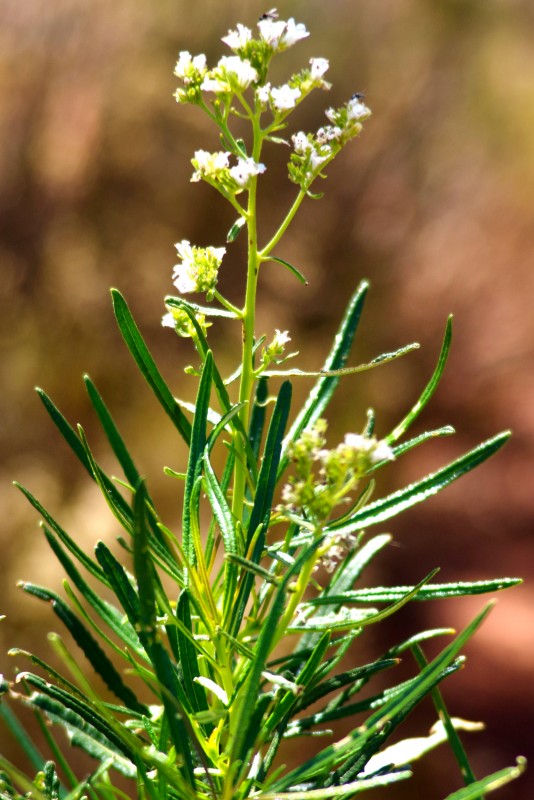
Plant Profile: Yerba Santa
Botanical Name: Eriodictyon angustifolium is the narrow leafed species found around Sedona, the Verde Valley and the Superstition Mountains. This is the one I have used the most. E. californicum is a much broader leafed species from northern California. It is more common in the wholesale herb trade. I consider these two species to be equally therapeutic. There are a few other species although I have not used them. Family: Hydrophyllaceae Common Names: Yerba Santa Southwest Habitat: Between 3,500’ and 5,500’ in Arizona. Often found near roadsides (not good for collecting) and not uncommon around Sedona. Energy & Tastes: Warming […] See More
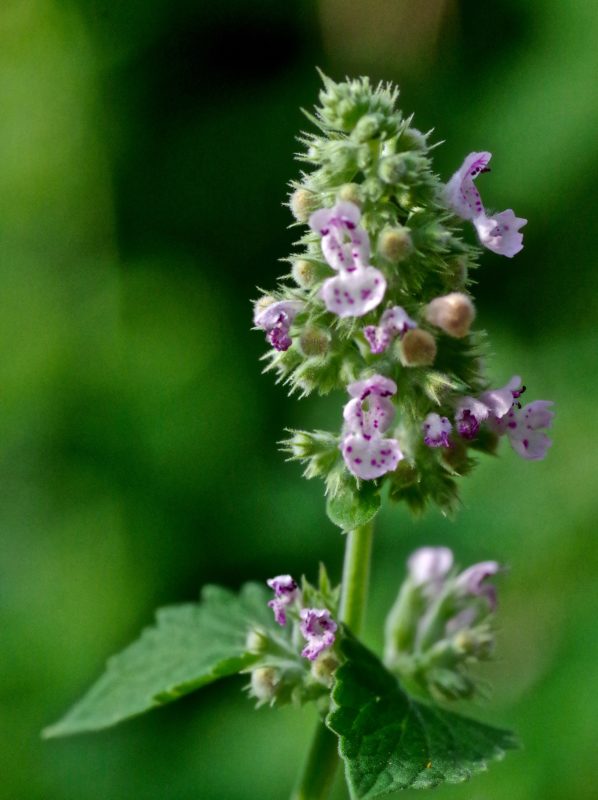
Plant Profile: Catnip
Botanical Name: Nepeta cataria Family: Laminaceae Common Names: Catnip Primary Characteristics for Field ID: The classic square stem and opposite leaves of the mint family. Part Used for Medicine: The leaves are the primary parts used although flowers and fresh tips can also be included. The stems are large enough that they should be avoided. Habitat in Which it is Found/ Harvesting Season/ Special Considerations: Nepeta is not native to the southwest although it grows freely in the right conditions. I have seen it in some surprisingly remote areas along shady streams and seeps in Oak Creek Canyon and […] See More
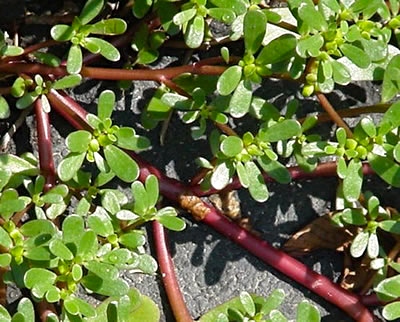
Plant Profile: Wild Greens
Why We Should Eat Wild Greens As a group, wild greens are higher in nutrition than domestic produce grown on farms. This is true even for organically grown produce. The generations-long process of domesticating a plant involved selecting for a specific size, color, flavor or ripening date. This happened at the expense of reduced fiber and nutrition, specifically vitamins and minerals. See this chart for specific data in this area. They are free, making high quality produce affordable for anyone. They are “unofficially organic” if harvested from clean places in nature. They are abundant in many areas and life zones […] See More
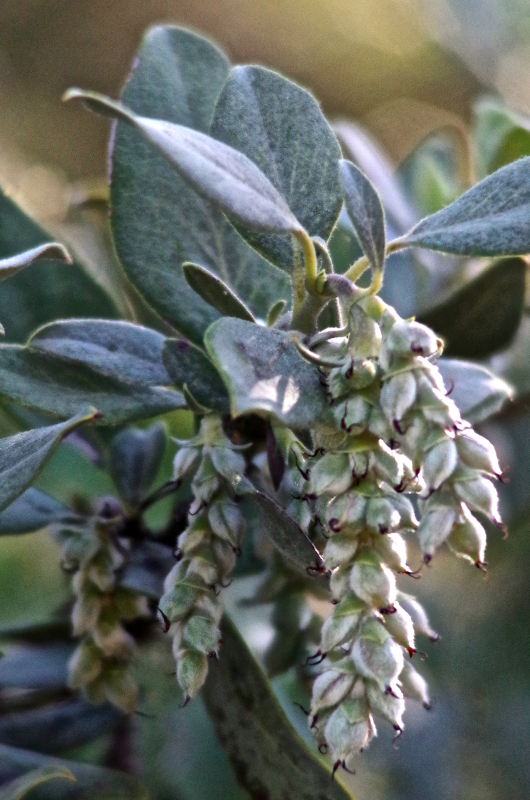
Plant Profile: Silk Tassel
Botanical Name: Garrya spp. Family: Garryaceae Common Names: Silk Tassel is the name mostly used in my experience using it in New Mexico and Arizona. Michael Moore lists other common names as Quinine Bush, Bear Brush, Guachichi, Cuauchichic Primary Characteristics for Field ID: They have beautiful and showy white trailing flowers in spring, prompting the common name. This bush is from 4’ - 7’ high and has light colored, almost bluish-green leaves. Initially, it is not an attention grabbing plant and many non-herbalists would place it in the ‘generic green bush’ category. Southwest Habitat: In northern Arizona, it is commonly […] See More
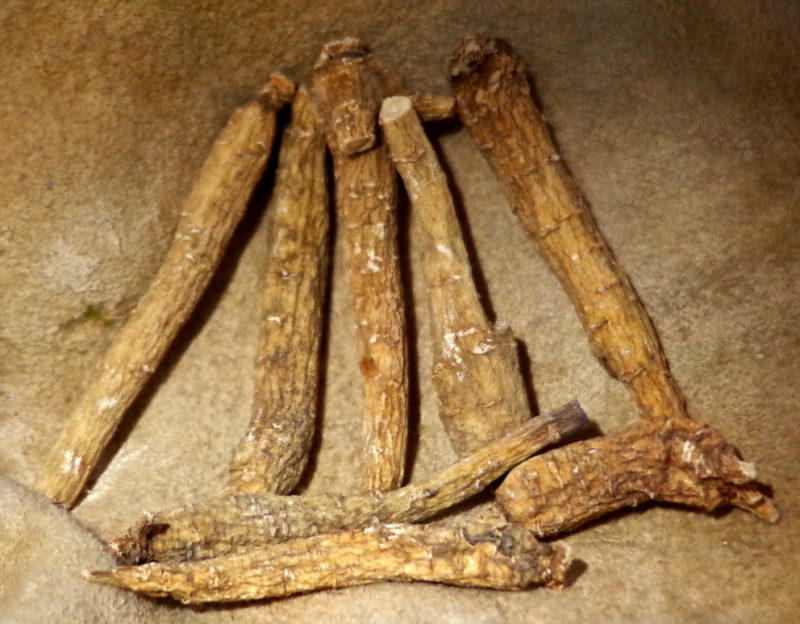
Plant Profile: American Ginseng
Botanical Name: Panax quinquefolium Family: Araliaceae Common Names: American Ginseng Primary Characteristics for Field ID: Native to the Appalachians, Panax is not found in the wild in the West. Part Used for Medicine: Root Habitat in Which it is Found/ Harvesting Season/ Special Considerations: It is never wildcrafted in the Western US. Buy the best quality one can afford. In order of potency and cost - wild, woods grown, cultivated. The older the root, the better as the roots store potency with age. It has been overharvested in the wild although it can be wildcrafted sustainably. Know the picker personally […] See More