
Plant Profiles
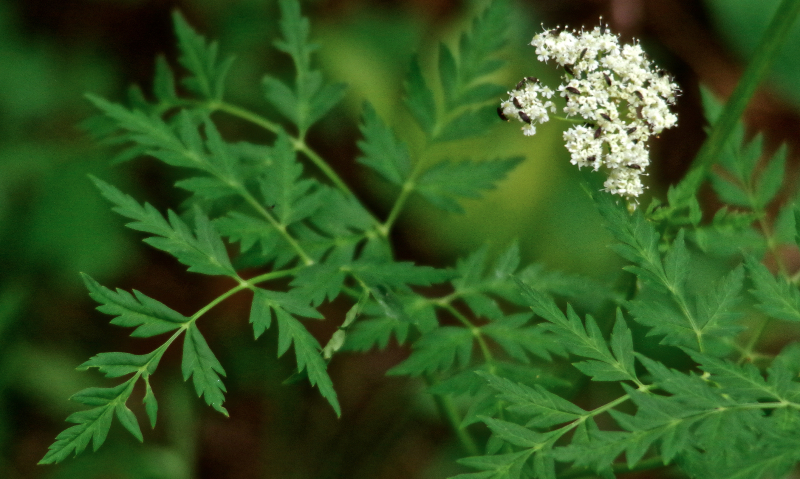
Plant Profile: Osha
Botanical Name: Ligusticum porteri Family: Apiaceae Common Names: Osha Chuchupate Bear Root Porter’s Lovage Part Used for Medicine: Its aromatic root. The seeds are classic Apiaceae seeds and similar to fennel, dill, caraway and ajwain. They are edible but not as commonly used. Southwest Habitat: It prefers slopes and higher elevation meadows, in partial shade between 7-10,000’. Not uncommon in the right environment of the SW Colorado Rockies. Energy & Tastes: Bitter, spicy, woodsy, earthy, warming, drying, Preferred Method of Preparation: Either fresh or dried root tincture, both work very well. One can also simply place a small piece of […] See More
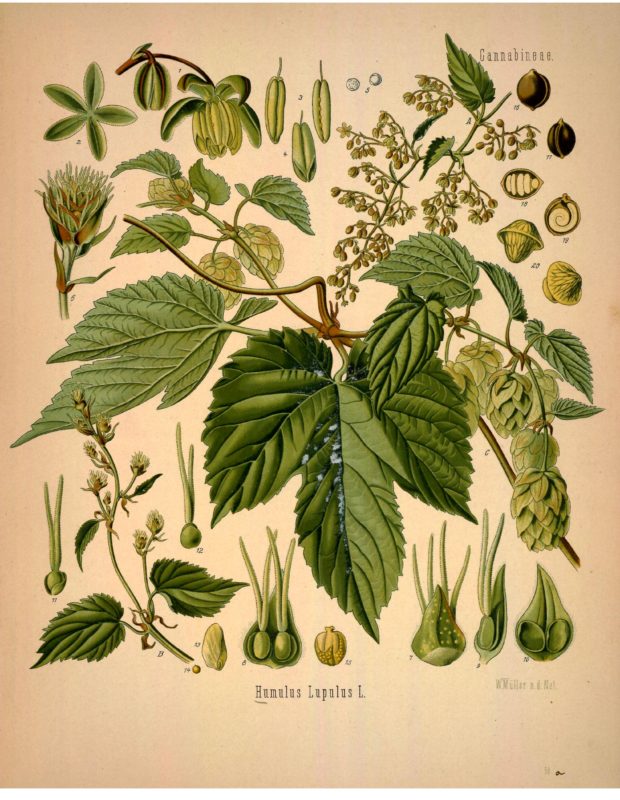
Old Time Botanical Prints
I am especially fond of the old time hand drawn and colored plant illustrations that were common before the age of *immediate.posting.of.photos.on.social.media* became the norm. Don't get me wrong. I am a huge fan of photography and love sharing my own plant images on the web. But there is something very relaxed, slow and mindful about these illustrations. They remind me of the difference between fast food and slow food. From an academic - botanical view, the artists who created these prints included the specific features of each genus or species that is used to identify and categorize the plant. […] See More
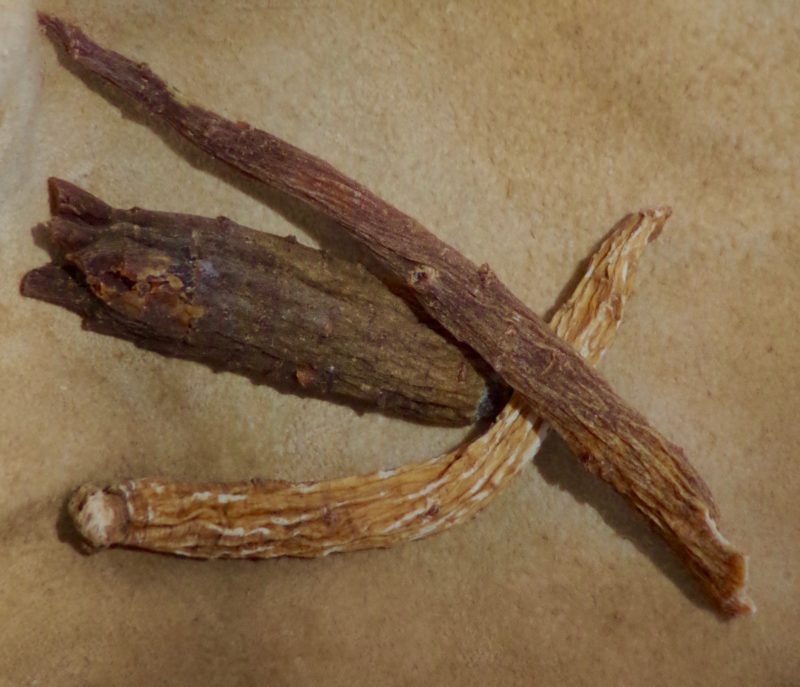
Plant Profile: Chinese Ginseng
Botanical Name: Panax ginseng Family: Araliaceae Common Name: Chinese or Korean Ginseng, these names refer to the same plant grown in different countries. Part Used for Medicine: Root Habitat in Which it is Found/ Harvesting Season/ Special Considerations: There are wide variations in both cost and quality on the ginseng market along with less than honest advertising. Ginseng quality: the best - wild, then woods grown, then cultivated. Quality is also determined by the age of the root. A three year old root is lower in accumulated chi than a seven year old root. The younger root is correspondingly cheaper. […] See More
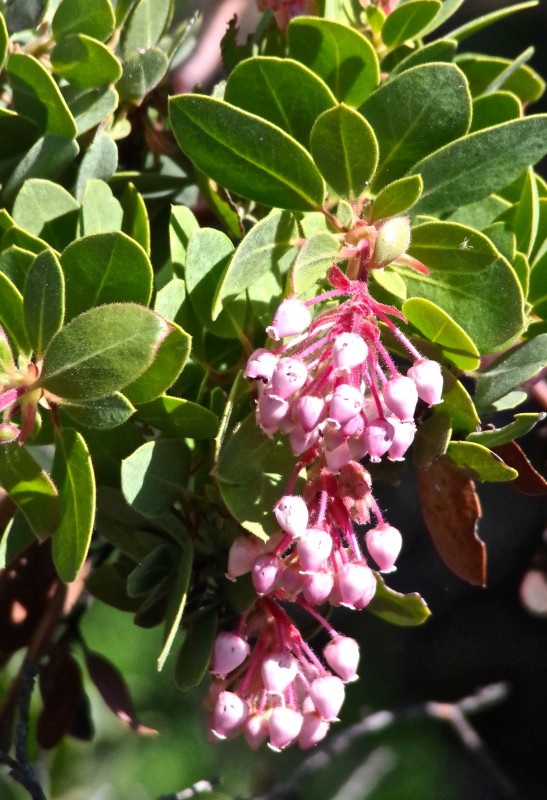
Plant Profile: Manzanita
Botanical Name: Arctostaphylos pungens or A. pringlei Arctostaphylos uva ursi grows at higher elevations, mostly above 8,000'. Family: Ericaceae Common Names: Manzanita Part Used for Medicine: Leaves Habitat in Which it is Found/ Harvesting Season/ Special Considerations: Manzanita refers to the red berries that resemble small apples, a favorite of birds. This evergreen bush is usually 3’-5’ high in the Sedona area although there are rare exceptions that approach a small tree size. At higher elevations and further north in Colorado is Uva Ursi, also known as Bearberry. This is an Arctostaphylos species that has the same therapeutic use […] See More
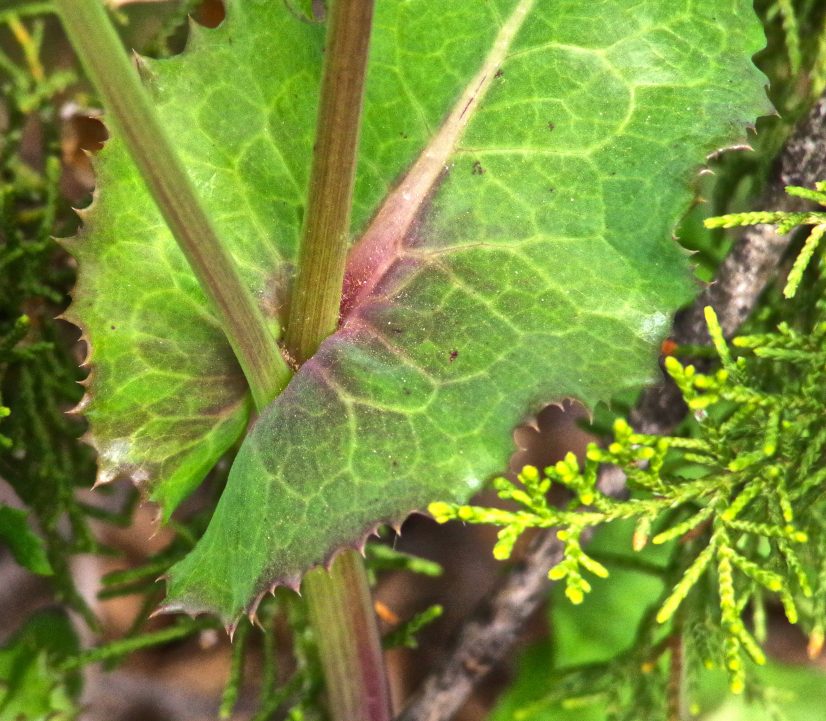
Wild Greens for the Community Herbalist: Sow Thistle
Botanical Name: Sonchus oleraceus Family: Compositae Common Names: Sow Thistle Primary Characteristics for Field ID: The flower closely resembles a dandelion. The leaves are whorled. An annual. Part Used for Food: The leaves and tender portion of the stems Habitat in Which it is Found/ Harvesting Season/ Special Considerations: This plant likes disturbed soil so is found near foot traffic and trails. Look for it where there is some extra moisture and shade from cottonwoods between 3,000’-5,000; in the Verde Valley, around Sedona and at similar elevations in the Grand Canyon. Mostly a spring annual, it is rare in other […] See More
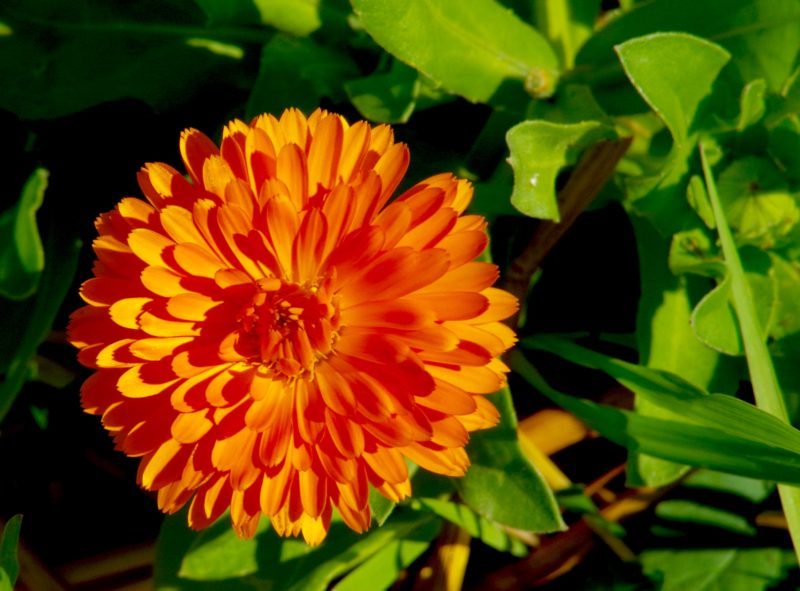
Plant Profile: Calendula Flower
Botanical Name: Calendula officinalis Family: Compositae Common Names: Marigold, Pot Marigold These common names can be confusing and imprecise so always check the botanical name before using. Part Used for Medicine: Flower Habitat in Which it is Found/ Harvesting Season/ Special Considerations: Calendula is found only as a culitvated flower in the Southwest. It is generally considered to be a very easy flower to grow. It does best with improved soil and extra water. An annual, it re-seeds freely in the right conditions. Frequent picking of the flowers encourages more growth. If purchasing the dried flower, the deep orange-yellow color […] See More
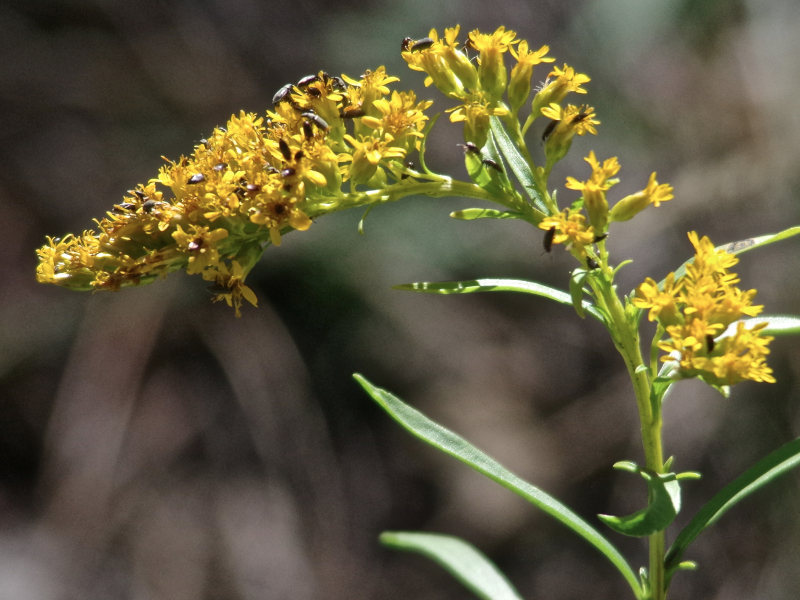
Final Research Project: Goldenrod
I am pleased to share the plant research paper written by a graduate of the Foundations of Herbal Medicine program, Ellen Parish. It provides a thorough overview of the beneficial uses of this traditional herb. Enjoy! Goldenrod Research See More
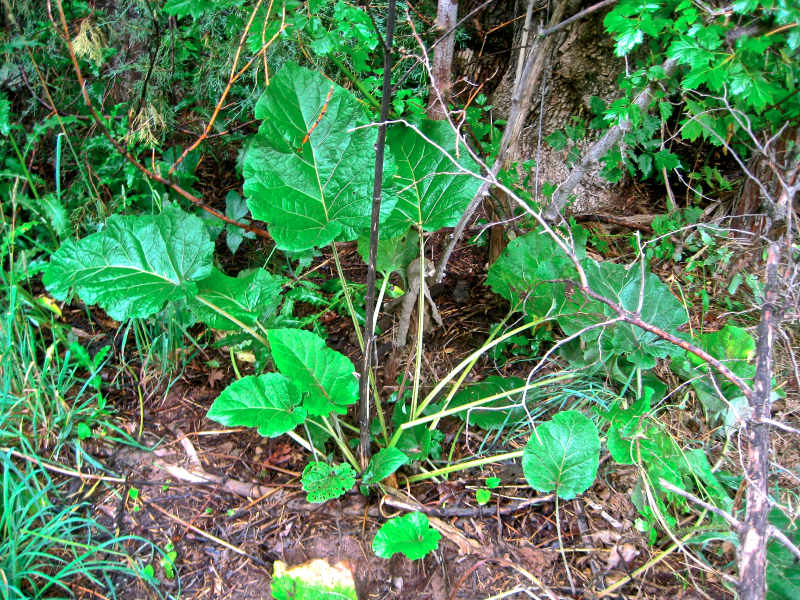
Plant Profile: Burdock Root
Botanical Name: Arctium lappa Family: Compositae Common Names: Burdock Part Used for Medicine: Root Habitat in Which it is Found/ Harvesting Season/ Special Considerations: In Southwest Colorado, it grows in shade, sometimes near streams. Although some field guides list burdock in northern Arizona, I have yet to see it. It is widespread in the Midwest and common in other temperate climates around the world. Also commonly found in Asian grocers where it is known by its Japanese name, Gobo. Energy & Tastes: Cooling, nourishing, mild flavor & energy Wild burdock can be more bitter than the commonly used cultivated root. […] See More
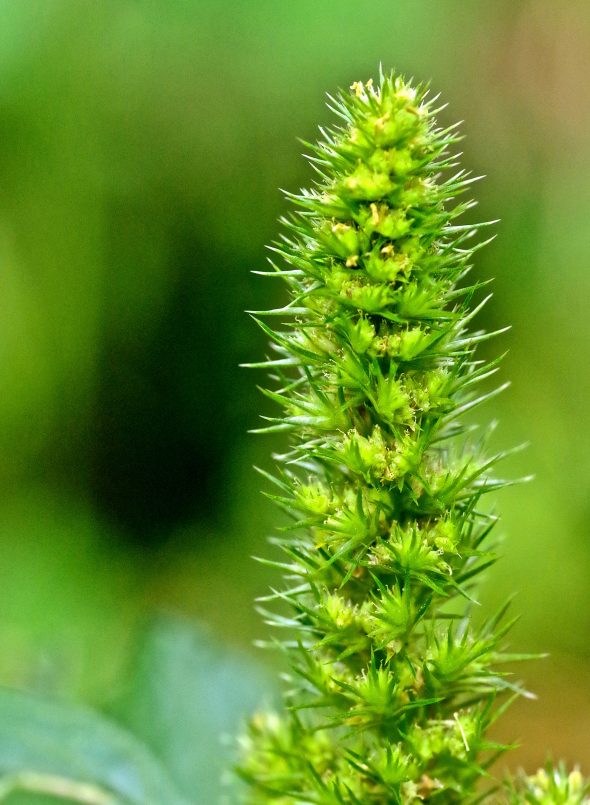
Plant Profile: Amaranth
Botanical Name: Amaranthus retroflexus is very common and 60+ spp. worldwide Family: Amaranthaceae Common Names: Pigweed Primary Characteristics for Field ID: Leaves are lanceolate and alternate along the main stem. Stems are red. Part Used for Food: Fresh leaves and young tips of stems. Older leaves and stems are either bitter, stringy or fibrous. Cultivated amaranth is grown for its large seed heads and is much larger than the wild species referred to here. Habitat in Which it is Found/ Harvesting Season, Special Considerations: Amaranth is widespread around the world. It likes disturbed soils and is often the weed that […] See More
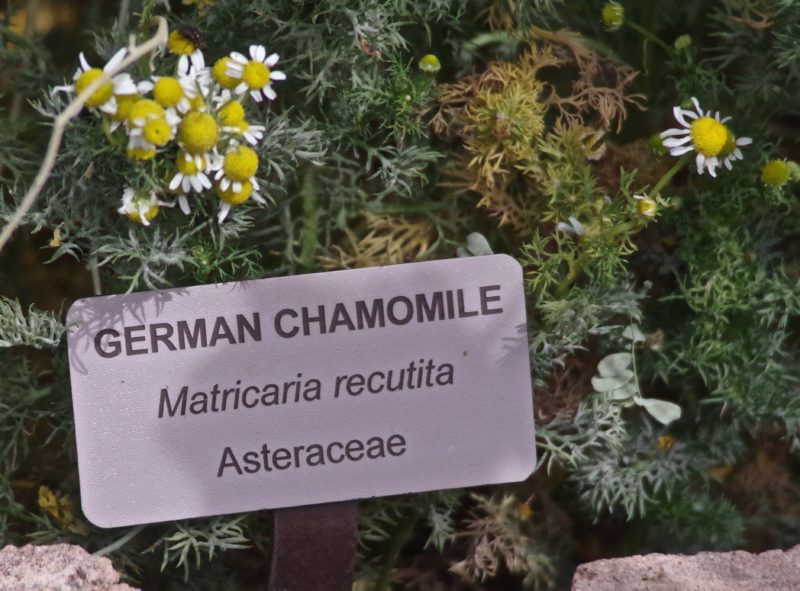
Plant Profile: Chamomile
Botanical Name: Roman Chamomile: Chamaemelum nobilis Both plants are therapeutic however Matricaria recutita is my personal favorite. Matricaria refers to Motherly, recutita refers to Bounce Back, both good qualities to have in a healing herb. Family: Compositae Common Names: Chamomile Manzanilla Part Used for Medicine: Flowers Habitat in Which it is Found/ Harvesting Season/ Special Considerations: Native to neither the American Southwest nor North America, Chamomile is easily established in many flower beds. It is not found in the wild in the Four Corners area. Energy & Tastes: Bitter, drying, astringent, mildly cooling Chemistry: Yellow flowers contain flavonoids. Its aromatic […] See More