Plant Profiles
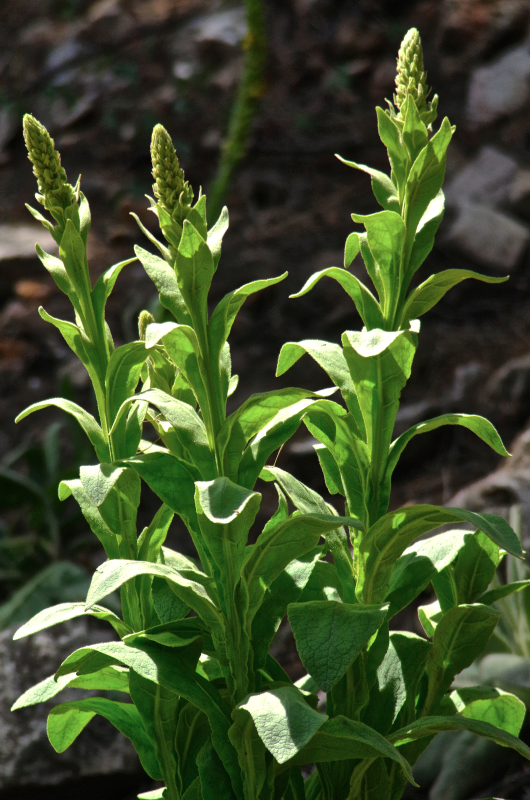
Plant Profile: Mullein Leaf – Flower – Root
Mullein has specific uses for its leaves, flowers and roots. This Plant Profile includes all three plant parts and some of the many uses for Mullein. Botany: Verbascum thapsus (Scrophulariaceae) Common Names: Mullein Southwest Habitat: Mullein loves disturbed soil and is one of the first plants to move into a burned area. It is often found by the dozens-hundreds-thousands in the forests around Flagstaff, depending on the extent of the recent fire. While it is not native, I don’t consider it to be ‘invasive’ (in the sense of taking over and dominating and damaging an environment long term) because its […] See More
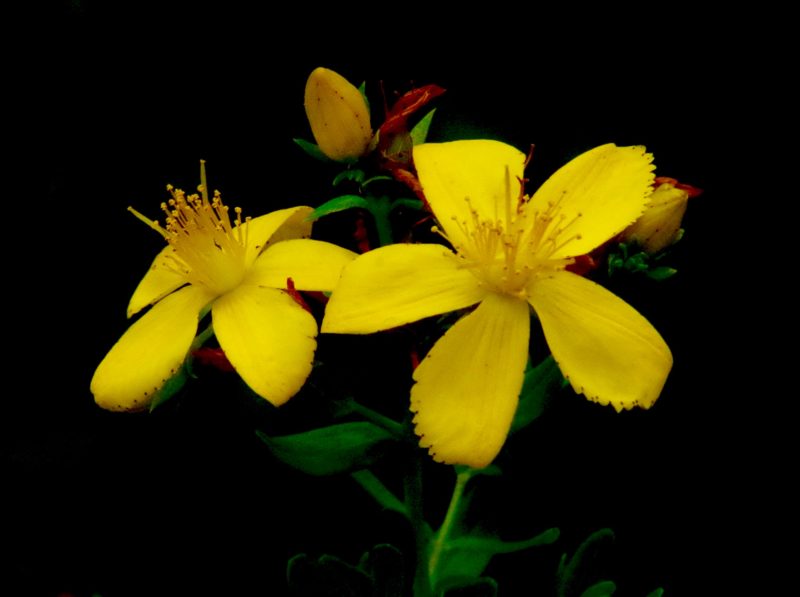
Plant Profile: St Johns Wort
Botanical Name: Hypericum spp. H. perforatum is most commonly used in herbal medicine. The species commonly found growing in northern Arizona is H. scouleri. Family: Hypericaceae Common Names: St. John’s Wort Primary Characteristics for Field ID: H. perforatum has tiny holes in the leaves that are visible when held up to the light, hence the perforatum label. Part Used for Medicine: Freshly opened flowers and buds. Some people harvest the leaves along branch tips near the flowers. Pinch the just-picked buds and flowers. Your finger tips should be stained a deep red. This shows good quality. Habitat in […] See More
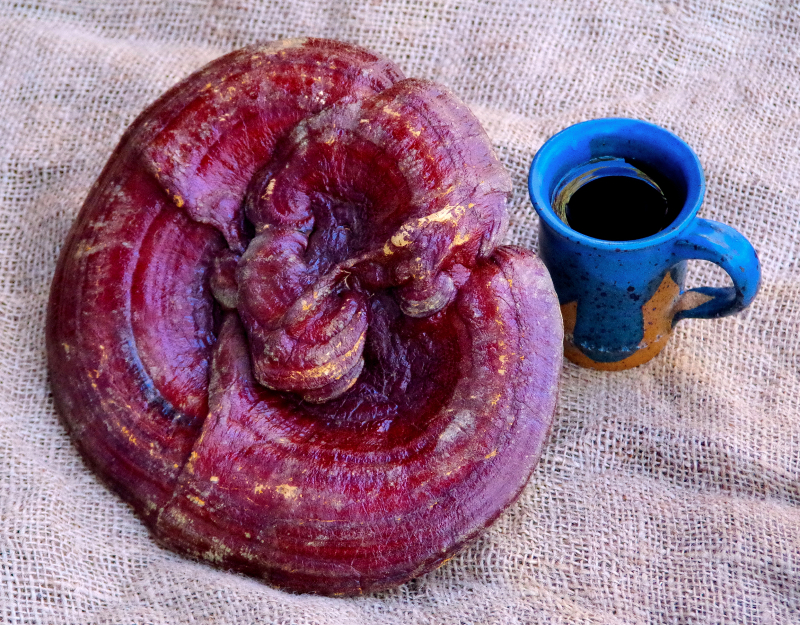
Resources for Therapeutic Mushrooms
There are many mushrooms used therapeutically in the herb community with Reishi (Ganoderma spp.) being the the best known. One of the challenges to effectively using these gifts from the fungal world is knowing how to process them. While plants have cellulose, mushrooms have chitin. This substance is extremely hard and makes extraction difficult. The usual methods of making teas and tinctures don't work. This page is a collection of the best resources I have encountered for: -learning how to thoroughly and effectively extract the healing properties from fungi -reliable information on how various species can be used -where to […] See More
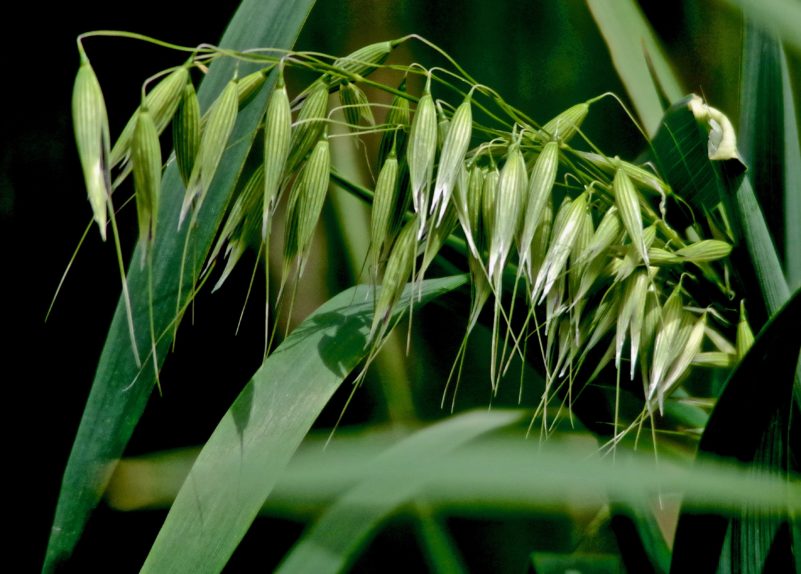
Plant Profile: Milky Oats
Botany: Avena sativa is the cultivated species and is most common Avena fatua is the wild species Family: Poaceae Common Names: Milky Oats, Milky Oat Seed, Wild Oats Southwest Habitat: It is not common in the wild in the Southwest. I have seen it a bit in Oak Creek Canyon and along the Verde River. These patches are either too small to harvest from or have been wiped out by wildfires. It is relatively straightforward to cultivate and some herbalists I know plant a patch in their garden each year specifically to harvest the milky seeds. Energy & Tastes: Slightly […] See More
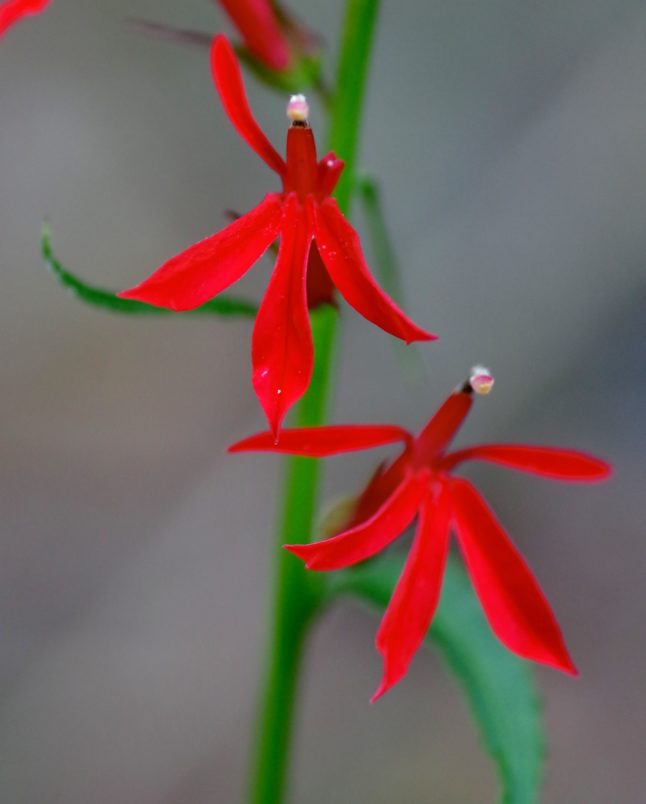
Plant Profile: Lobelia
Botanical Name: Lobelia inflata is most common in Western herbalism Lobelia cardinalis is most common in the Southwest Family: Lobeliaceae, also known as the Bellflower Family Common Names: Indian tobacco, Pukeweed, Cardinal Flower Part Used for Medicine: The seeds are considered the strongest medicine. Flowers and leaves are usually collected along with the seeds Habitat in Which it is Found: In general, lobelia prefers damp environments. In northern Arizona, look for it near seeps and springs. It especially likes damp sandstone vertical walls like those found in Zion NP. It will be found growing literally along the face of the […] See More
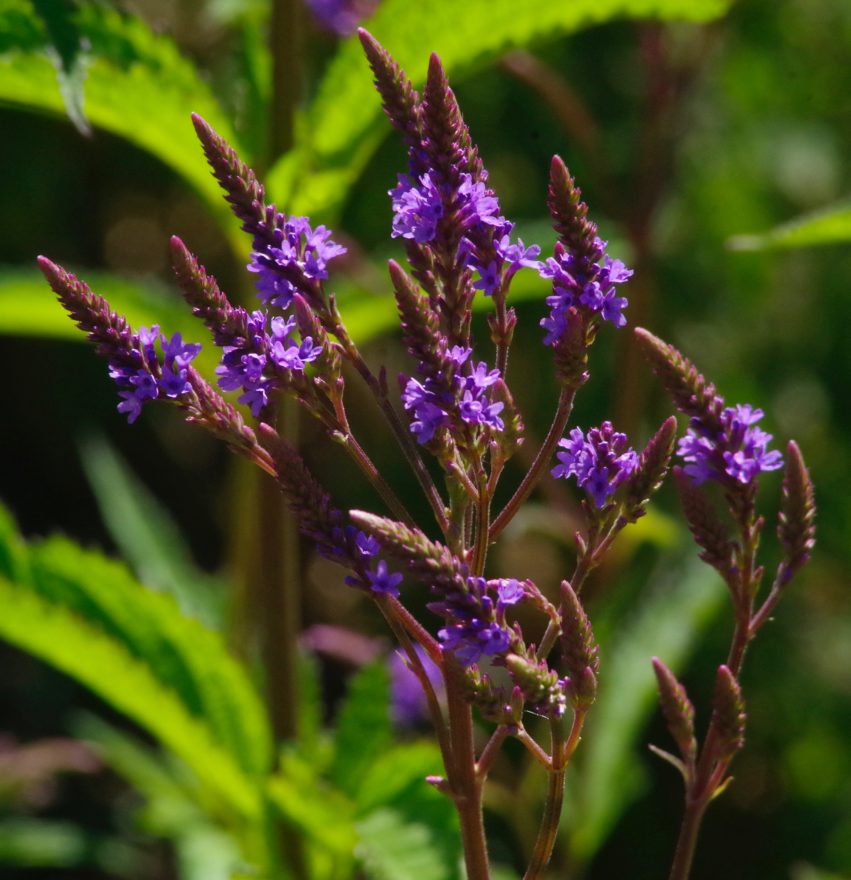
Plant Profile: Verbena
Botany: Many Verbena spp. are used in the herb community. V. officinalis is common in Europe V. hastata is common in North America Verbena macdougalii is common in northern Arizona In the Verde Valley and Sedona, Glandularia spp. is in the same family and is used the same as Verbena. The family is Verbenaceae. Verbenas used to be in the Mint family (Laminaceae) and share the well known square stem and opposite leaves. Common Names: Vervain, Blue Vervain Southwest Habitat: Above 6,000’, Verbena macdougalii is a flower of the meadows and open spaces rather than the deep forest. Late […] See More
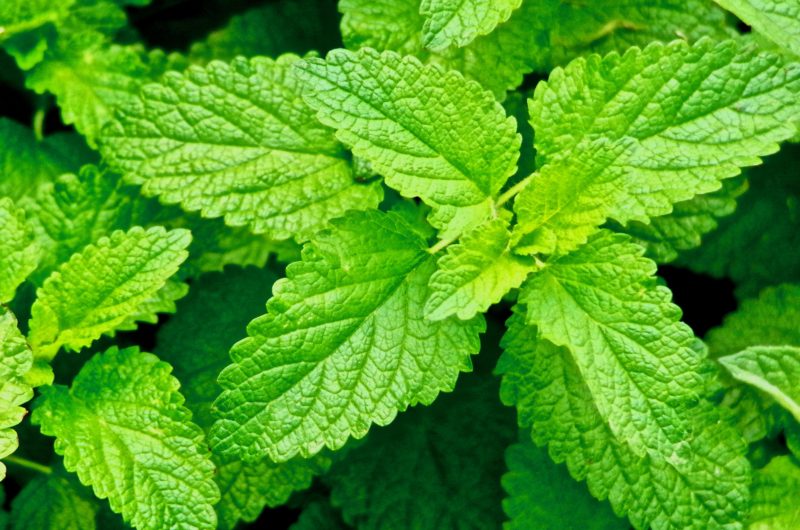
Plant Profile: Lemon Balm
Botany: Melissa officinalis (Laminaceae) Common Names: Lemon Balm Southwest Habitat: Commonly cultivated. I have never found it growing wild. The best place to look for it outside of cultivation is near old homesteads like those in Oak Creek Canyon. Energy & Tastes: A delightful lemon-y taste. The energetic view of sour varies by herbal tradition. Ayurveda considers this taste warming which is true for vinegar. However, many sour herbs in the Western tradition are definitely cooling. Lemon Balm is a classic mildly cooling sour. Drying. Ayurveda It relaxing effect is beneficial for Vata. Its cooling effect is beneficial for Pitta. […] See More
Plant Profile: Yarrow
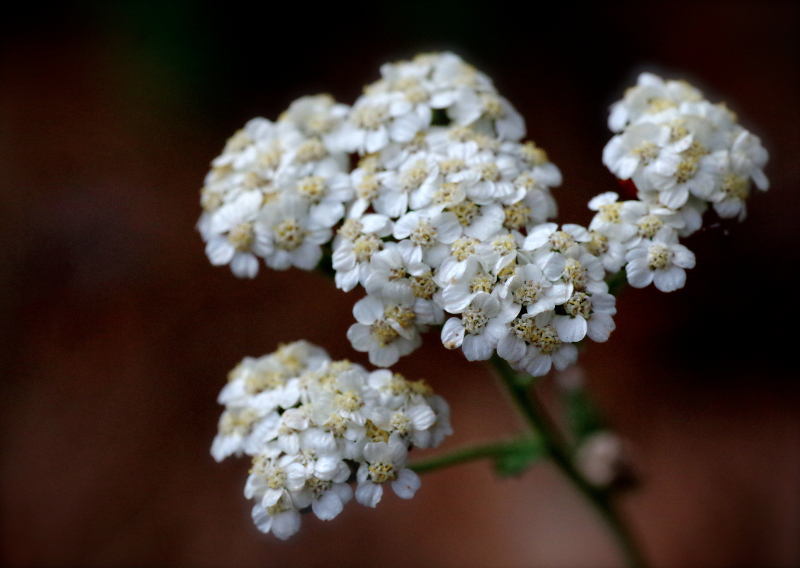
Botanical Name: Achillea millefolium, A. lanulosa There is an ongoing discussion whether these species are the same. A. millefolium is more commonly used. Named after Achilles the warrior, the plant has a long tradition of stopping external bleeding. Millefolium refer to the alternate leafed ‘thousand leaves’ of the foliage. Blooms from May through September in the American Southwest. Family: Compositae Common Names: Yarrow, Woundwort, Plumajillo Southwest Habitat: 5,000’ - 8,000’ in forest, meadow and riparian habitats. Resilient to many types of soil and climate, widespread and abundant Energy & Tastes: Yarrow is primarily bitter with some astringency. Its volatile oil […] See More
A Special Yucca at the Grand Canyon
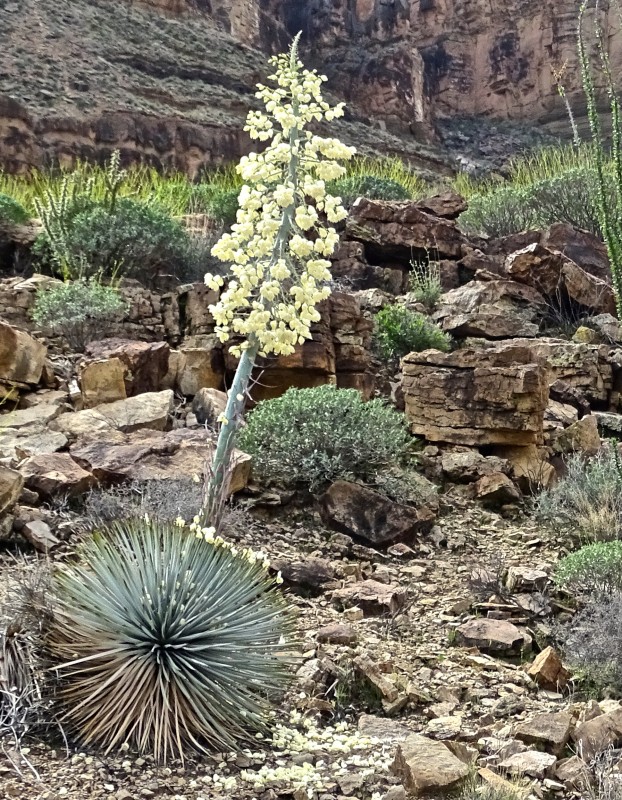
I had a nice surprise in mid-March during a hiking trip in the western end of the Grand Canyon. My group came across “Hesperoyucca newberryi” in full bloom. This was a first for me and quite special. This plant used to be (and sometimes still is, depending on the source) in the Yucca genus, where it was known as Yucca whipplei or the Whipple yucca. It has recently been put into a separate and new genus. This particular species is found only in NW Arizona, on slopes of the Canyon. This plant is semelparous, meaning it flowers once, then dies, […] See More
Comfrey & Pyrrolizidine Alkaloids
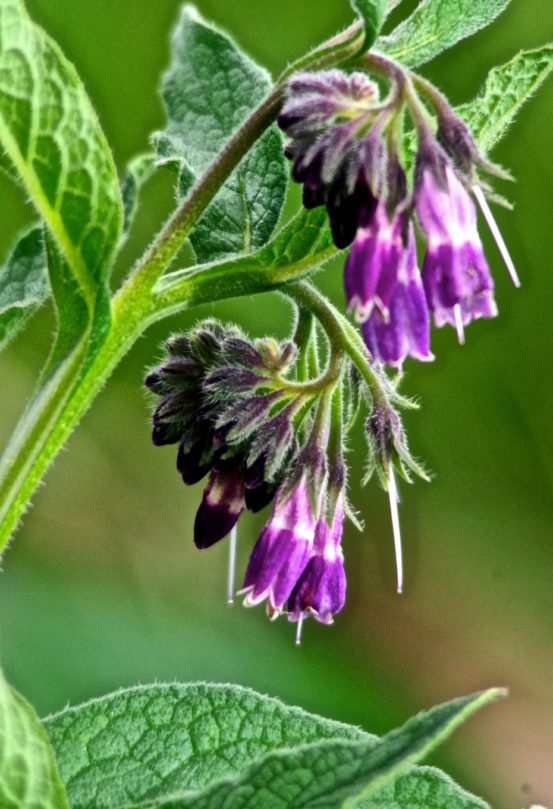
Safety issues connected to the internal use of various Comfrey (Symphytum officinale, S. uplandicum x) species have been a controversial topic since I became active in the herb community in the early 1990s. Many presentations in articles, blogs, classes and conferences prefer to address the therapeutic benefits of this plant and avoid directly giving information on the question of safety. The presentation usually has some version of "Do your own research and make your own decision" about comfrey. The main drawback to this approach is the reader - student is left with no guidelines on where or how to get […] See More