
Diet & Nutrition
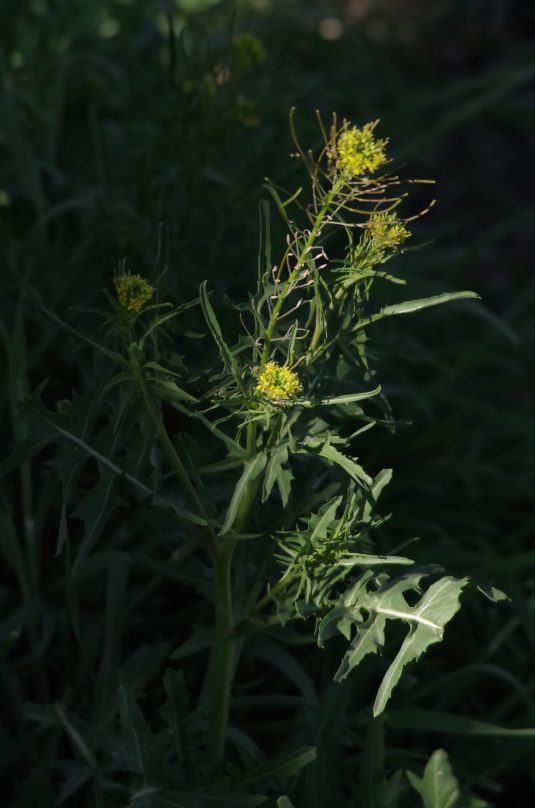
Plant Profile: Wild Mustard
Botanical Name: Sisymbrium irio Family: Brassicaceae Common Names: Wild Mustard, London Rocket Southwest Habitat: Between 1,000’ and 7,500’ - the growing season depends on the elevation. While not native to North America, it is widespread and commonly found in disturbed soil. This is a plant found along trails during Sonoran winter hikes, under juniper trees in the Verde Valley in the spring. Around Flagstaff, it can be found near many trail heads and parking areas in the Ponderosa forest once the monsoons take effect in July and August. An annual, once established it reliably returns each year. Energy & Tastes: […] See More
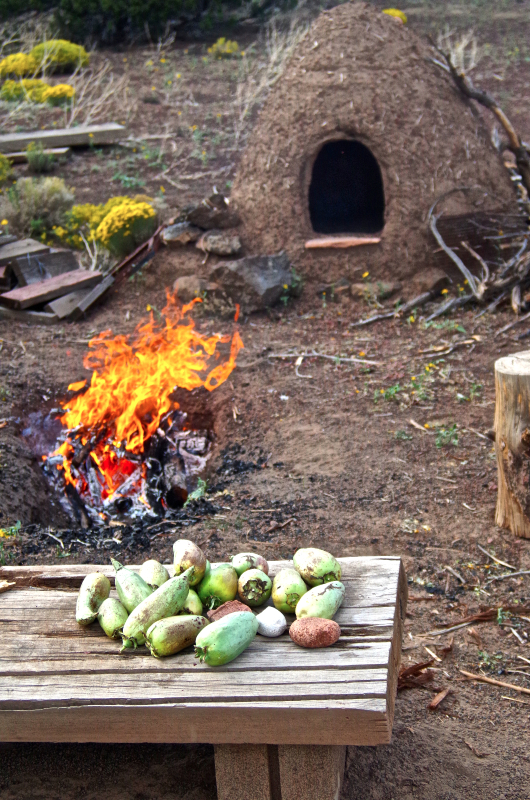
A Fresh View of the Paleo Diet
I am pleased to share an article by Arthur Haines that helps clarify some of the misconceptions around the Paleo Diet. Arthur has some of the very best thinking on diet, health, wild foods and our ancestors from various traditional cultures. The article originally appeared here. This is an Exist Anew guest post by Arthur Haines. This article is a result of recent discussions with a number of people who practice the Paleo Diet. For the record, these discussions were polite and the dialogue centered on pursuit of evidence and application of logical actions in the diet. Grains were a […] See More
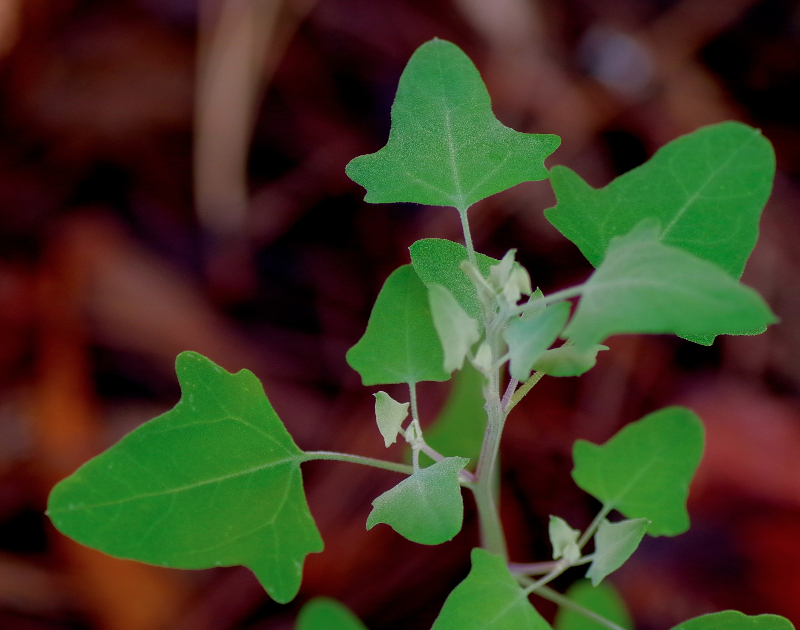
Plant Profile: Chenopodium album
Botanical Name: Chenopodium album Family: Chenopodiaceae Spinach, beets, chard and quinoa are also in this family Common Names: Goosefoot, Lambsquarters Primary Characteristics for Field ID: The leaves are in the shape of a goose's foot which helps with the field ID for a non-botanist. Part Used for Medicine: Fresh leaves and fresh tips Habitat in Which it is Found/ Harvesting Season/ Special Considerations: Very common in the southwest from 3,000’ up to 7500’. It is abundant in the Verde Valley and up through Sedona, Oak Creek Canyon and the Ponderosa forest around Flagstaff. Look for it wherever soil has been […] See More
The Pros & Cons of Coffee
Coffee has long been a controversial drink, both in the alternative health community and in mainstream medicine. Some see it as an elixir, instant energy and the only way to begin the day. Others see it as liquid evil and a cause for many health problems. Actually, coffee is a mixed bag. It has many health promoting chemicals including the antioxidant chlorogenic acid. Yet for some, its stimulating and drying energy can be too strong. The final verdict on coffee? Whether it is helpful or harmful depends on the type of roast, what else is added to the cup, the […] See More
Brassicaceae for Herbalists
Brassicaceae - Mustard This family is characterized by flowers that have four petals and are shaped like a crucifix, hence the previous family name of Cruciferae. These plants are often edible and tend to have a spicy, hot energy and flavor although some of the domesticated varieties have been bred for a mild flavor. Besides the usual nutrition of vitamins and minerals, plants in this family support Phase I and II liver detox which has far reaching benefits in many areas of health. Many wild greens are in this family. Depending on the species, the leaves, roots or seeds are […] See More
Using Aromatic Spices to Improve Digestion
Many traditional views of healing from around the world view the digestive system as a key to overall health. This includes Traditional Chinese Medicine (TCM), Ayurveda and Western Herbalism. One way to support complete and thorough digestion of our food is through the use of spices. These aromatic seeds and roots are seen as more energetic than nutritive. They are included in the diet for their ability to positively influence the warming - cooling and moistening - drying continuums used in energetic medicine. They are not considered nutritive due to the fact that they do not contain significant amounts of […] See More
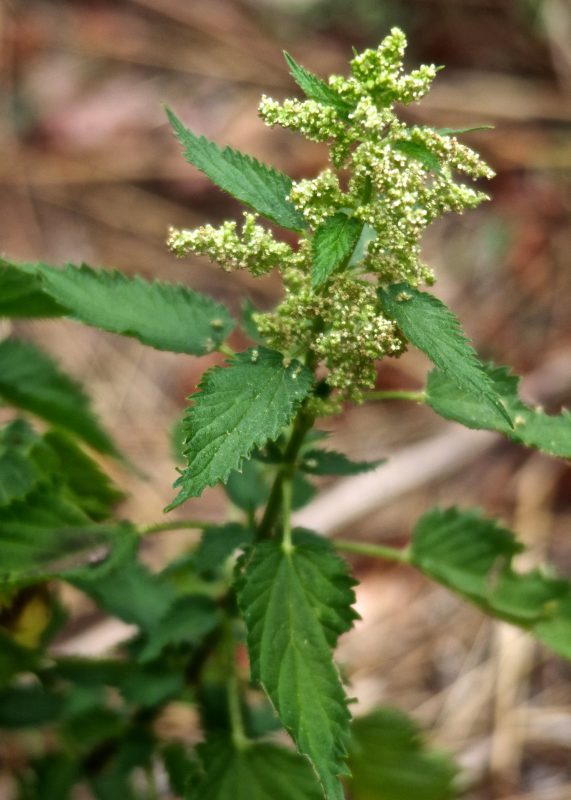
Plant Profile: Nettle Leaf
Botanical Name: Urtica dioica Family: Urticaceae Common Names: Nettles, stinging nettles Southwest Habitat: Nettles like rich, black, damp soil in partial shade. It is most likely found in riparian areas, near seeps or in shady areas where deciduous trees have had the opportunity to help build the soil. It is not at all common in the arid landscapes of Arizona although it is a common weed in many temperate zones. Energy & Tastes: Mild taste and energy - sightly cooling and drying Most wild greens are considered to be at least slightly bitter although I find nettles to have a […] See More
The Secrets of Mineral-Rich Herbal Teas
Plant medicines help us in many ways. Some plants have a strong medicinal effect due to alkaloids, polysaccharides or other constituents. Many other plants straddle the food-medicine border and are simply considered 'healthy' due to their high mineral content. A common, easy and effective way to get minerals from the herbs is to use a tea. More specifically, this is known as the hot infusion method. To make a mineral rich infusion, simply place one ounce of dried herb in a quart jar or French Press. Add one quart hot water, cover and let steep for several hours or overnight. […] See More
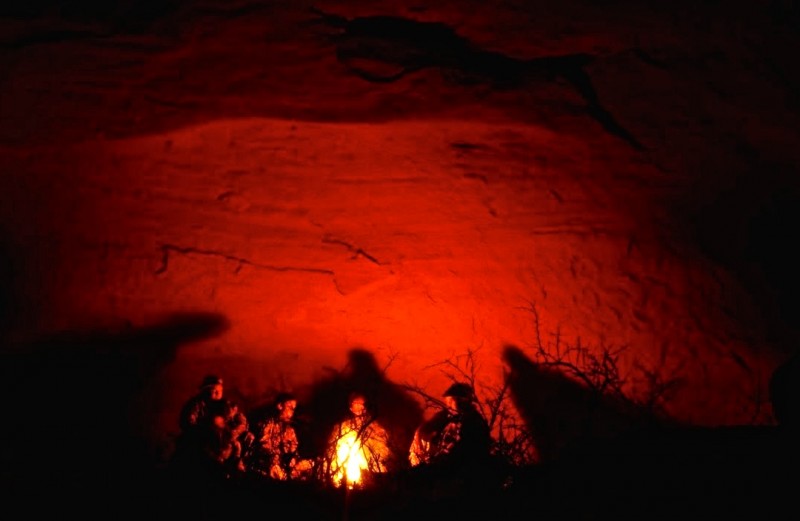
Agni – Keeping the Digestive Fire Warm in the Winter
Thoughts on a cold, wet, snowy evening while sitting by our wood stove... Thorough and complete digestion is a foundation to good health in many traditional systems of healthcare, both East and West. While the entire digestive process is quite complex, I want to focus on one key aspect in this article. One of the primary jobs of the digestive system is to take food from the outside world and transform it in a way that our bodies can absorb and benefit from the nutrients. The idea of transformation has long fascinated me. Anyone who has spent time around a […] See More
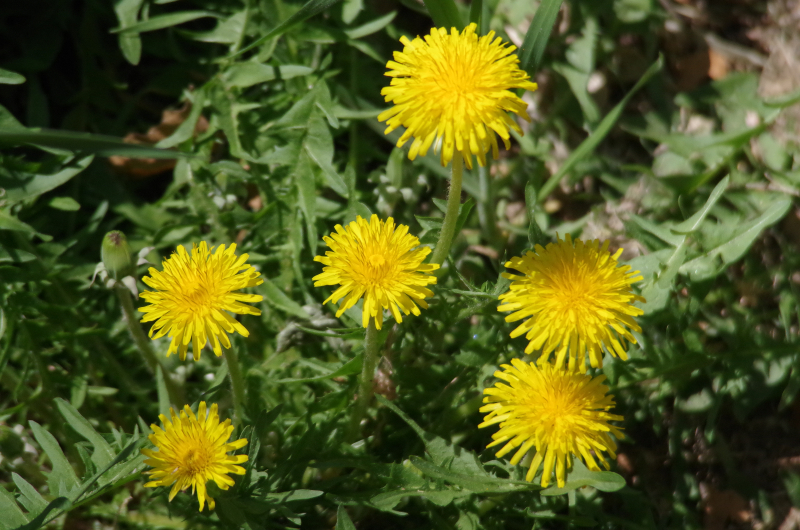
Wild Food Nutrition
This chart compares the nutritional value of common everyday weeds with some vegetables found at the grocer's. You may be surprised! Click on the chart to enlarge. See More