
Diet & Nutrition
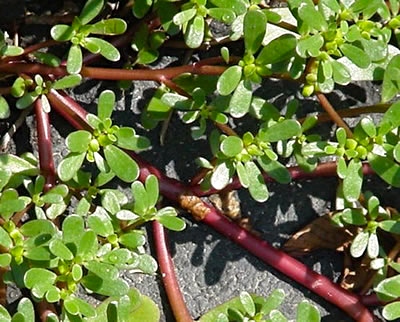
Plant Profile: Wild Greens
Why We Should Eat Wild Greens As a group, wild greens are higher in nutrition than domestic produce grown on farms. This is true even for organically grown produce. The generations-long process of domesticating a plant involved selecting for a specific size, color, flavor or ripening date. This happened at the expense of reduced fiber and nutrition, specifically vitamins and minerals. See this chart for specific data in this area. They are free, making high quality produce affordable for anyone. They are “unofficially organic” if harvested from clean places in nature. They are abundant in many areas and life zones […] See More
Five Reasons for Sweet Cravings
The following article is taken from the curriculum presented during the Metabolic Syndrome class. This topic is included in both the Advanced Topics in Herbal Medicine and, beginning in 2019, the Foundations of Herbal Medicine programs. ----------------------------------------------------------------------- Simply informing someone that excess white sugar or processed carbs are unhealthy and should be taken out of the diet is not enough. It is more helpful to look at the source for the need/desire for sweetness and develop a plan accordingly. 1. In nature, foods with a sweet taste are the most physically nourishing. This desire/need for nourishment is also true emotionally. […] See More
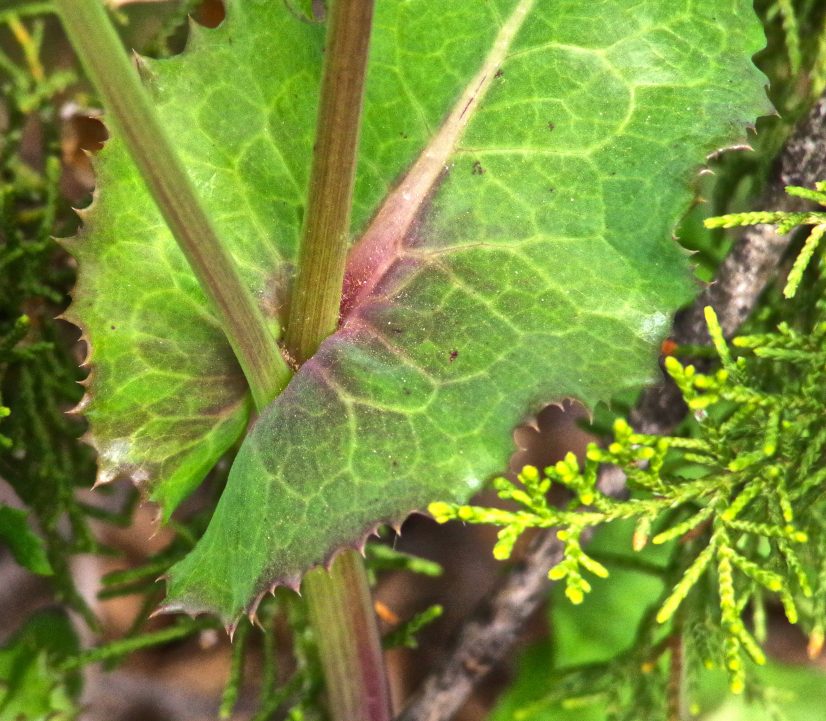
Wild Greens for the Community Herbalist: Sow Thistle
Botanical Name: Sonchus oleraceus Family: Compositae Common Names: Sow Thistle Primary Characteristics for Field ID: The flower closely resembles a dandelion. The leaves are whorled. An annual. Part Used for Food: The leaves and tender portion of the stems Habitat in Which it is Found/ Harvesting Season/ Special Considerations: This plant likes disturbed soil so is found near foot traffic and trails. Look for it where there is some extra moisture and shade from cottonwoods between 3,000’-5,000; in the Verde Valley, around Sedona and at similar elevations in the Grand Canyon. Mostly a spring annual, it is rare in other […] See More
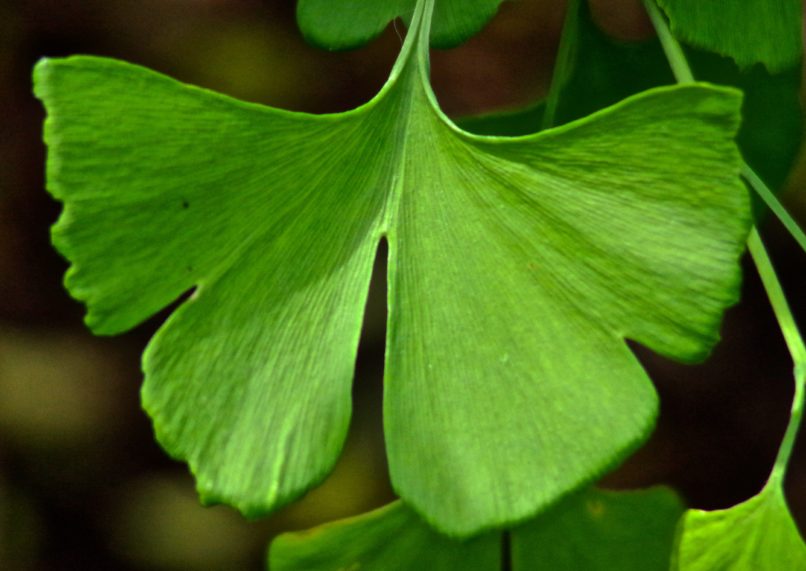
Cognitive Function and Using Nootropic Herbs
Understanding how our brains function and learning ways we can support cognitive health is part of the longer courses at our school. The following links are resources to support the information shared during class. Brain Overview http://www.daviddarling.info/encyclopedia/B/brain.html Brain Anatomy http://www.mayfieldclinic.com/PE-AnatBrain.htm Alzheimers http://www.innerbody.com/diseases-conditions/alzheimers-disease Hypomania v Mania http://www.healthyplace.com/blogs/breakingbipolar/2010/08/what-is-the-difference-between-mania-and-hypomania/ Neurotransmitters http://www.brighthubeducation.com/science-homework-help/62633-neurotransmitters-in-the-brain/ Neurons http://www.brighthubeducation.com/science-homework-help/62839-function-and-structure-of-neurons-in-the-brain/ Synapse http://www.brighthubeducation.com/science-homework-help/109310-how-brain-synapses-work/#imgn_3 Brain Derived Neurotrophic Factor - BDNF http://mentalhealthdaily.com/2015/03/30/8-ways-to-increase-bdnf-levels-brain-derived-neurotrophic-factor/ Beta Amyloid Plaque https://www.ncbi.nlm.nih.gov/pubmed/19679659 https://www.alz.org/braintour/plaques.asp See More

Resources for Metabolic Syndrome
Metabolic Syndrome (also known as Syndrome X or Insulin Resistance) is an increasingly common disorder in modern society. It is primarily due to easy access to poor quality carbs combined with a sedentary lifestyle. This condition, including a detailed herb - diet - lifestyle protocol, is addressed during the Advanced Topics in Herbal Medicine course. The links below have been gathered to support the class-based materials. Many of these links are to diabetic websites. The information is helpful to anyone who wants to lose excess weight, balance blood sugar or increase heart health. The relevance of these sites is most […] See More
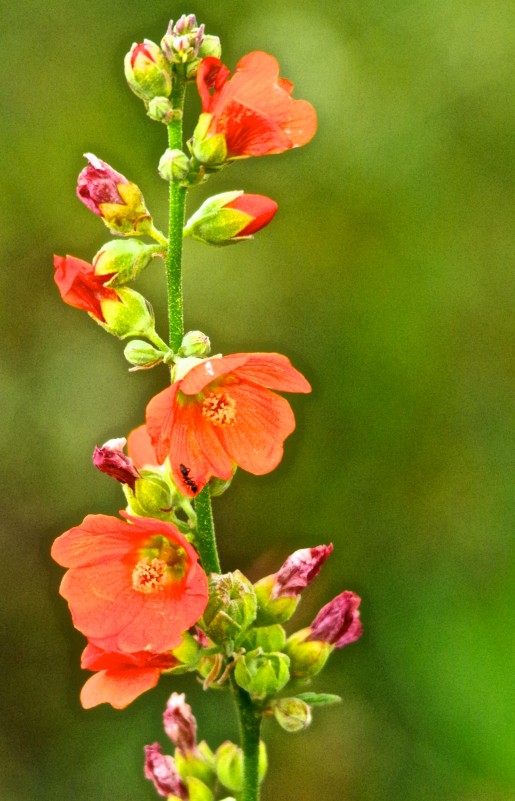
Understanding Leaky Gut Syndrome
In recent years, the issue of intestinal inflammation, commonly known as Leaky Gut Syndrome, has become a topic of much discussion and some controversy. The protocol for Leaky Gut Syndrome is addressed in detail in our Advanced Topics in Herbal Medicine program. The following links have been gathered to support the information shared in class. These links include views from Ayurveda, Traditional Chinese Medicine, mainstream western medicine and traditional western herbalism. Our hope is you will find these helpful in your ongoing work towards greater health and becoming a more skilled herbalist. An in depth article on this topic from […] See More
Diet & Nutrition Resources on the Web
One of the challenges to healthy eating in the modern world is the need to sort through a flood of often contradictory information: all of it claiming to be the most accurate, healthiest and final word in diets. The sources shared on this page are the ones I have used repeatedly over the years and found to be the most helpful and successful in the diet & nutrition-related healing work I do. Each link has multiple layers of articles and secondary links. These are the kinds of resources in which one could happily wander for hours and find each minute […] See More
The Role of Digestive Bitters in Human Health
Notes from the Digestive Bitters Class... Defensive Strategies in Nature All animals have some way to defend themselves. The defensive mechanism may be armor, a poisonous sting or bite, camouflage or the ability to outrun a predator. Some animals, such as mice and rabbits, simply outbreed their predation rate. The goal of all these strategies is to stay alive long enough to reproduce and keep the species extant. Plants also have predators. A deer is a predator to a tasty leaf. A javelina is a predator to succulent roots. Plants need to defend themselves either by making their food unavailable, […] See More
Plant Profile: Burdock Root
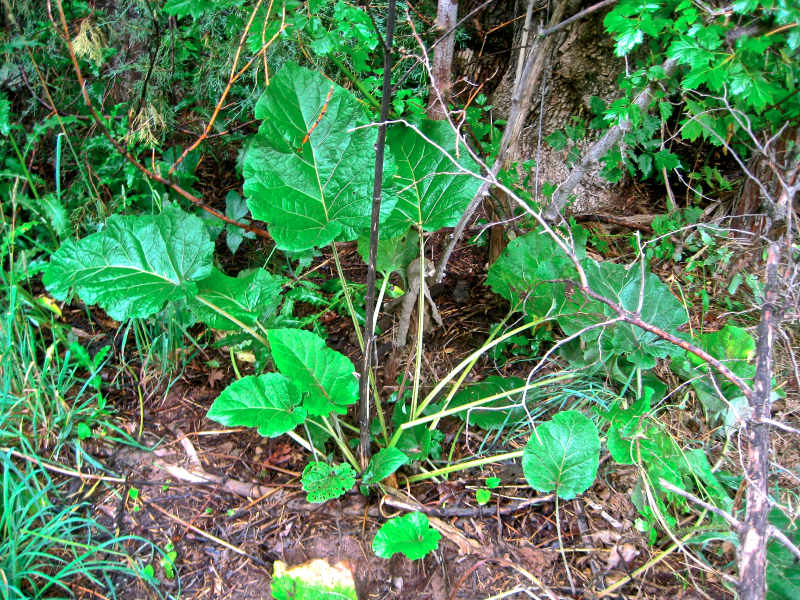
Botanical Name: Arctium lappa Family: Compositae Common Names: Burdock Part Used for Medicine: Root Habitat in Which it is Found/ Harvesting Season/ Special Considerations: In Southwest Colorado, it grows in shade, sometimes near streams. Although some field guides list burdock in northern Arizona, I have yet to see it. It is widespread in the Midwest and common in other temperate climates around the world. Also commonly found in Asian grocers where it is known by its Japanese name, Gobo. Energy & Tastes: Cooling, nourishing, mild flavor & energy Wild burdock can be more bitter than the commonly used cultivated root. […] See More
Plant Profile: Amaranth
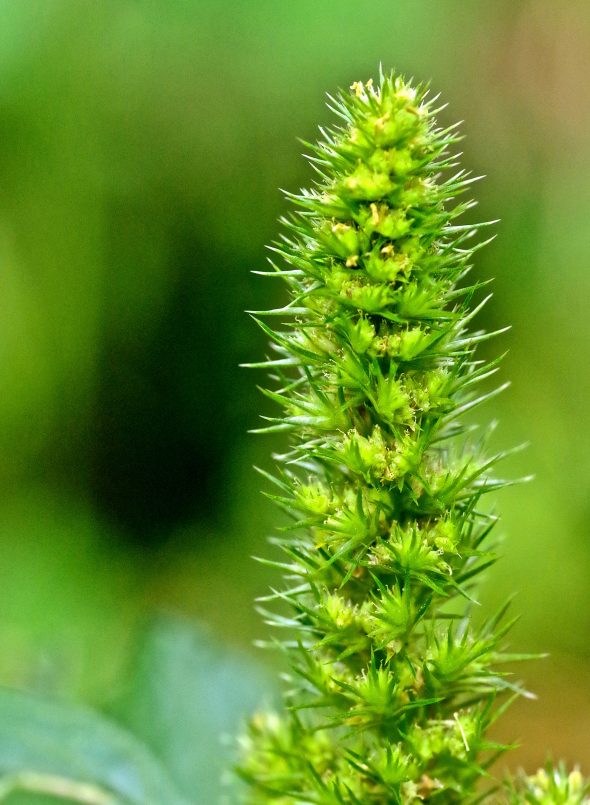
Botanical Name: Amaranthus retroflexus is very common and 60+ spp. worldwide Family: Amaranthaceae Common Names: Pigweed Primary Characteristics for Field ID: Leaves are lanceolate and alternate along the main stem. Stems are red. Part Used for Food: Fresh leaves and young tips of stems. Older leaves and stems are either bitter, stringy or fibrous. Cultivated amaranth is grown for its large seed heads and is much larger than the wild species referred to here. Habitat in Which it is Found/ Harvesting Season, Special Considerations: Amaranth is widespread around the world. It likes disturbed soils and is often the weed that […] See More