Diet & Nutrition
How to Make Sesame Salt – Gomashio
Sesame Salt - Gomashio Sesame salt is a nutritious and delicious addition to home cooked food. Gomashio is the Japanese term and comes from Goma (Sesame) and Shio (Salt). From a chemical-nutrition perspective, the seeds are high in many minerals, especially calcium. In the Ayurvedic tradition, sesame is warming, nourishing and grounding and helps reduce Vata. In TCM, black sesame seeds are considered a Yin tonic. Brown seeds have the same properties, just on a reduced scale. To Make Sesame Salt Pour 1 Cup of unhulled raw seeds into a fry pan. Stir constantly over medium heat until the seeds […] See More
Herbal Energetics and Chemistry
There are two primary ways to view herbal medicine and diet: Energetics and Chemical-Nutrition. Energetics uses three continuums to describe a food or herb’s affect on the body: Hot - Cold, Wet - Dry and Lax - Tense. These continuums form the foundation of many traditional diets and health care systems such as Traditional Chinese Medicine and Ayurveda. The Chemical-Nutrition approach looks at the chemistry of the plant to determine its affect on the body in regards to vitamins, minerals, anti-oxidants, etc. Both schools are valid and worthy of study. Neither gives a complete picture of the plant’s potential in […] See More
Modern Day Foraging from a Hunter Gatherer Perspective
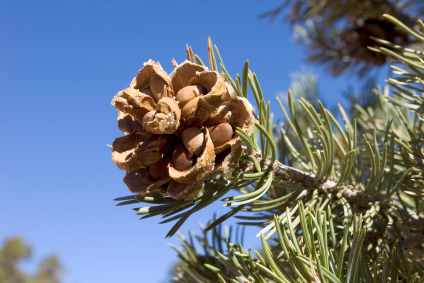
Interest in wild foods has been steadily growing over the past several years, both in the herb community and in the mainstream culture. In this article, I will be sharing background information and guidelines that have been helpful in my own ongoing journey of being a modern day forager. Learning the lifestyles of our long ago ancestors has been especially helpful in this area. They ate wild food out of necessity rather than by choice. They had a time-tested way to survive and thrive long term and much of this information is still applicable today. Hunter-Gatherers are in all our […] See More
Taking the Mystery Out of Omega 3 Supplements
Omega 3 is a fairly well known dietary supplement. Yet many people have only a general idea that it is ‘good for you’ in some vague way, usually connected to inflammation. The purpose of this article is to clarify what omega 3 is, why we need it and where to get it. Omega 3 is an ‘essential’ fatty acid. It is essential in our diet because our bodies are not able to produce it. There are other essential fatty acids such as omega 6 and 9. They play a role as pro-inflammatory agents within the body. Omega 3 has a […] See More
Does Organic Mean More Nutrition?
There has recently been extensive coverage in the news about the lack of extra nutrition in organically grown foods. It is important for people to realize that, while organic foods have definite benefits over mainstream produce, higher amounts of vitamins and minerals is not always one of them. Organic means that harmful chemicals have not been added. That alone is quite important and makes choosing these products worthwhile. However, it does not mean that anything especially healthy has been added, such as extra vitamins or minerals. The nutrition in a plant is greatly determined by the quality of the soil. […] See More
Foraging and Safety
Some helpful info on safety when foraging wild foods is found here. See More
Edible v. Palatable
More on the topic of wild foods... Over the years, I have gone through many sources of information for wild edibles. Initially, most were academic oriented and more concerned about recording vanished lifestyles than providing practical information for current readers. The past few years have seen more information on what is available for harvesting and eating in the modern world. There is one fault I see in both information sources. There is a big difference between a food that is edible and one that is actually palatable. I have come to the conclusion that 'edible' in this context simply means […] See More
The Wild Greens of Spring
April in northern Arizona... the plant world is slowly waking up, green eager to show its face above the ground after many months of absence. Quick moving snow storms sweep across the landscape for a few more weeks, the greens teasing us with possibilities, the snow forcing us to be patient. Many people are interested in wild foods; wanting to either connect with nature, increase their nutrient intake or even ‘live off the land’. While enthusiasm is wonderful, some guidelines are essential. I want to share two of these today. The first rule is to be 100% absolutely sure of […] See More
Active or Passive Healthcare?
A key difference between mainstream and herbal medicine is the concept of passive vs. active consumers. Many people I know who choose to use mainstream healthcare pay little to no attention to their diet, lifestyle or stress level. They go through life until they get sick, then go to the doctor with the attitude the doctor will make them better. This usually involves a pill of some type. I consider these people to be passive consumers. They make little to no effort to be informed about a healthy lifestyle. They view the doctor as having all the power and knowledge. […] See More
Using Herbs with Children: Where is the “Line”?
Every parent has a "Line" when using herbs with children. Crossing the Line means that outside help is required, whether it be a professional herbalist, a naturopath or an MD. It is important to acknowledge the Line and to think about where it is. Various factors effect the position of the Line and it is different in each situation. Two issues to consider are: Where is the nearest hospital or urgent care facility? Travel time to outside help plays a role in how soon one makes that decision. Five minutes to an urgent care facility is very different than the […] See More