Educational Resources
Pros & Cons of Herbal Preparations
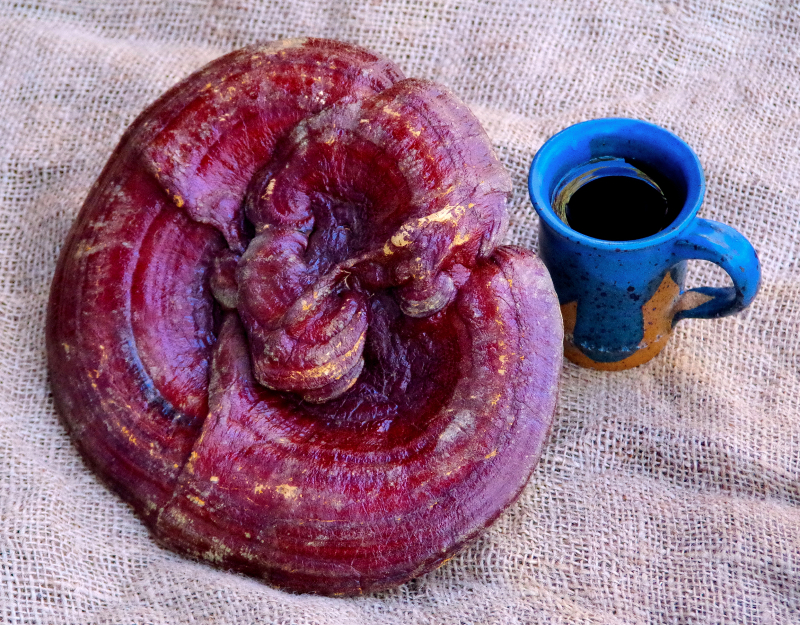
Tea Teas are water-based beverages made from either steeping or simmering herbs in water. They are the oldest, most common and traditional form of using herbs. Pros of Using Teas They are easy to prepare at home so they are useful for home-based healthcare. Water-extracted herbal constituents are generally safer to use. Many of the strongest and borderline toxic ingredients in plants are alkaloids. These constituents are usually better extracted in alcohol than water. Making tea from bulk herbs is a more affordable way to prepare herbs than using alcohol to make tinctures. Taking the time to make tea each […] See More
My Herbal Library
Most herbalists I know love books. We spend hours in used bookstores, surfing Amazon and exploring local libraries. There is a tremendous amount of knowledge and insight to be found in the written word. Like so many areas of our lives these days, the vast number of choices of herb books can be overwhelming and some people aren’t sure where to begin. The following recommendations are titles I have used over the years and continue to use for reference, guidance, inspiration and to double check on my own hunches at times. These are works that have proven helpful, even essential, […] See More
Herbal Apprenticeship Program
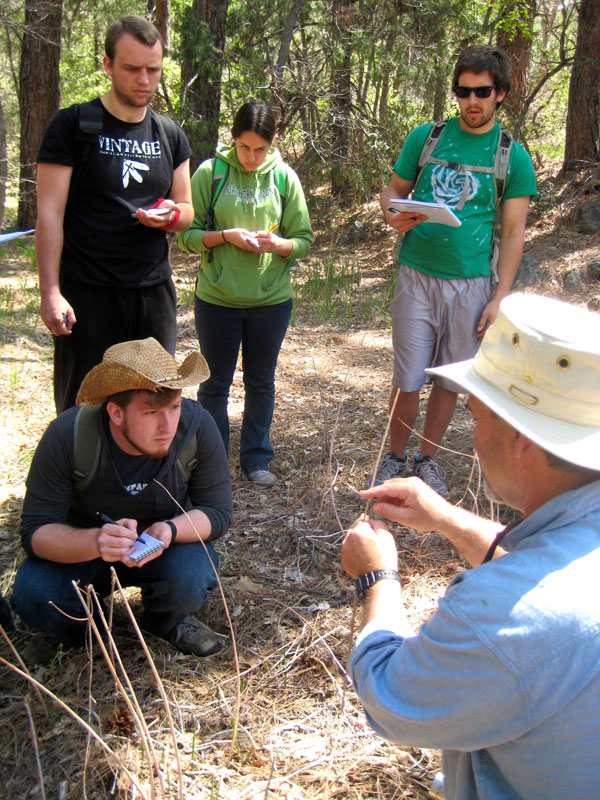
The Herbal Apprenticeship Program is an individualized course of study to support the continued learning of herbalists with previous training and experience. Who Is It For? It is especially appropriate for past students who have completed the Foundations of Herbal Medicine course at our school. It is also open to anyone who has attended another school or has prior training and experience and wants to deepen and broaden their skill level. It is not for people who are beginning their study of herbal medicine. These people should enroll in the Foundations of Herbal Medicine or a similar course. For those […] See More
Fresh Perspectives on the Use of Essential Oils
Our Foundations of Herbal Medicine program spent the weekend working with and learning about essential oils. Each time I teach this part of the course, it always strikes me how much I learn from the experience of interacting with the oils. My understanding of them deepens and my appreciation of this field grows. Watching people’s faces melt in delight the first time they inhale a Silver Fir or a Rose Attar makes this one of my favorite topics to share. In this article, I want to share some recent insights I had while working with the oils. Education v Marketing […] See More
Taking the Mystery Out of Omega 3 Supplements
Omega 3 is a fairly well known dietary supplement. Yet many people have only a general idea that it is ‘good for you’ in some vague way, usually connected to inflammation. The purpose of this article is to clarify what omega 3 is, why we need it and where to get it. Omega 3 is an ‘essential’ fatty acid. It is essential in our diet because our bodies are not able to produce it. There are other essential fatty acids such as omega 6 and 9. They play a role as pro-inflammatory agents within the body. Omega 3 has a […] See More
Our Classroom
The Forager's Path School of Botanical Studies is located on the southern edge of the Colorado Plateau and serves the communities of Flagstaff, Sedona, Cottonwood and the Verde Valley. The flora-rich landscapes stretch from the Upper Sonoran Desert, along the Verde River, up through the red rocks of Sedona and Oak Creek Canyon and into the lusher ponderosa forests of the Mogollon Rim and Flagstaff. In addition to our central location in northern Arizona, we provide herbal training for the regional communities in Coconino County and Phoenix, Tucson, Las Vegas, Winslow, Williams, Prescott and Durango, Colorado. Explore the Region Our […] See More
How to Make Echinacea More Effective
Echinacea has a well known tradition of being used at the first sign of a cold. The most effective way to use this herb is to take the alcohol extract in small, frequent doses throughout the day. My preferred amount is a dropperful every one to two hours for an average size adult. Timing is also important. It is best to begin use of this herb at the initial sign of a cold, within the first few hours. Waiting until day two or three to start reduces the effectiveness noticeably. A misconception I notice with some people is the idea […] See More
How Much Herb Do I Use?
Plants are alive. They are intelligent beings that respond to, and interact with, their environment. In this way, they are similar to humans. When two forms of intelligence interact, each relationship is unique. Relationships develop and change over time. This is why the amount and frequency of herb usage varies depending on the person, the herb and the health imbalance that is being addressed. Numbers are precise, constant, predictable and repeatable. 2 + 2 will always equal 4; regardless of other factors. People are drawn to numbers for the sense of security they provide. Pharmaceutical medicines are given with precise […] See More
Does Organic Mean More Nutrition?
There has recently been extensive coverage in the news about the lack of extra nutrition in organically grown foods. It is important for people to realize that, while organic foods have definite benefits over mainstream produce, higher amounts of vitamins and minerals is not always one of them. Organic means that harmful chemicals have not been added. That alone is quite important and makes choosing these products worthwhile. However, it does not mean that anything especially healthy has been added, such as extra vitamins or minerals. The nutrition in a plant is greatly determined by the quality of the soil. […] See More
Foraging and Safety
Some helpful info on safety when foraging wild foods is found here. See More