
Educational Resources
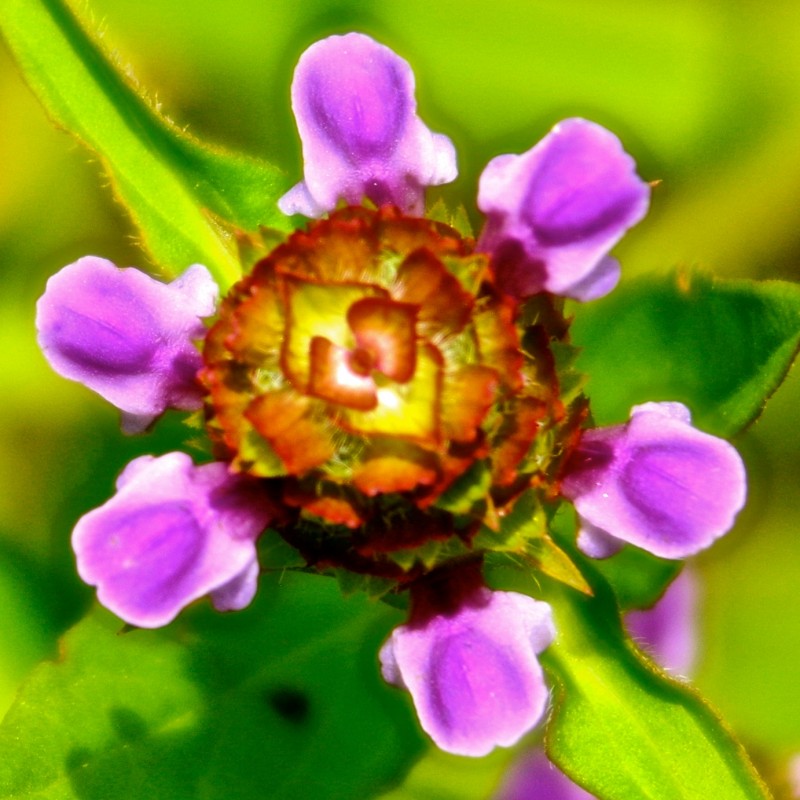
Botany for Beginners
Part of our Foundations of Herbal Medicine Course is spent in various ecosystems and elevations around the Southwest. This field work requires a basic understanding and application of botany. The following article is written as an introduction to this field for our herb students. ______________________________ Science puts things into categories to organize information. It helps us understand and remember better than disorganized bits of info. The language used for scientific plants names is some combination of Latin and Greek with an occasional other language mixed in. These names in academic botany are universal and allow us to speak the language […] See More
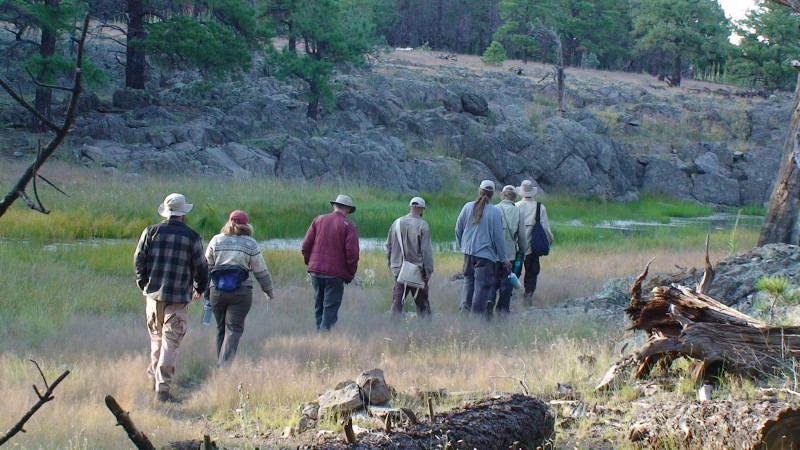
Arizona Herbal Medicine: Plant Walks
One of my NAU classes on a spring trip to Oak Creek Canyon, near Sedona. An lush riparian habitat with many deciduous trees: willow, sycamore, oak, alder, cottonwood, apple and cherry. A true botanical paradise and an area I explore often with classes. [hr] Exploring along a drainage in the ponderosa forest at 7,000'. The extra moisture here provides wild onion, Arizona grape, bullrush and Monarda. [hr] A student is working with prickly pear pads, making a poultice from the demulcent insides of a pad. Cooling, soothing and moistening, good to use on sunburns. Similar to aloe […] See More
Formulas for Diffusing Essential Oils
Essential oils can be used in a variety of ways. One of the most effective methods is by diffusing a mist in the air. This mist is a combination of the essential oils and water. There are many possible therapeutic affects for any given oil formula. These obviously depend on the specific oils used and their ratios within the mixture. This page is a collection of formulas I have used over the years in many environments. It is shared here in the hope you find it useful in your own use of the volatile oils from the plant world. The […] See More

Plant Profile: Yucca
Botany: Yucca baccata (Liliaceae) Often mistaken for its close relative, agave. The main visual difference is the fibers peeling off along the edges of the yucca leaves while agave leaves have serrated edges with sharp points that loosely resemble shark’s teeth. Common Names: Banana yucca. Southwest Habitat: Found between 3500’ and 7,000’ in Arizona. At its upper ranges, it grows along southern exposures of canyon rims. Very common along the South Rim of the Grand Canyon. below 6,000’, it grows mixed in with pinon, juniper and Opuntia. Energy & Tastes: The fruit has a sweet, starchy taste; like a wilder […] See More
Plant Profile – Licorice Root
Botany: Glycyrrhiza glabra is the usual licorice root of commerce in Western Herbalism. Glycyrrhiza uralensis is used in TCM. Glycyrrhiza lepidota is native in North America. It is more common in the Colorado Rockies than in the arid SW. It is rarely used. Licorice is a member of the Fabaceae family. Glycyrrhiza translates as Sweet Root. Common Names: Licorice Energy & Tastes: Sweet, cooling, moistening Preferred Method of Preparation: The alcohol extract is the most common. Decoction is also possible. Herbal Actions: A non-mucilaginous demulcent Mild anti-viral Harmonizing for many formulas when used in small amounts (10-20%) Mild laxative Anti-inflammatory […] See More
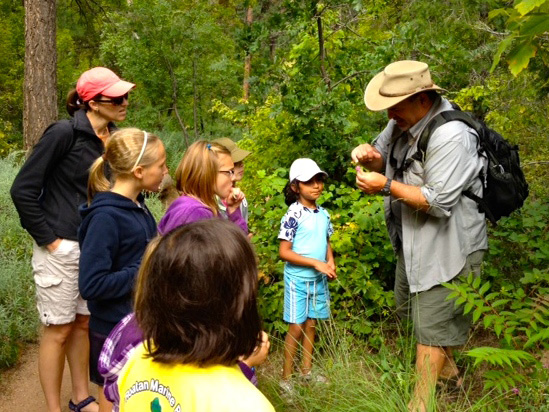
Teen Scholarship for Learning Herbal Medicine
One of my goals as an instructor of herbal medicine is to encourage the next generation to learn and practice these skills. With that in mind, our longer programs and shorter workshops have a teen scholarship available. It works like this: When an adult parent pays full price for the course, one teen aged (14-17 yo) daughter or son attends the same course at no additional cost. Both family members fully participate as members of the larger group. The parent must be in attendance whenever the teenager is in class. No prior experience in healing, plants or herbal medicine is […] See More
Plant Profile – Peppermint Leaf
This Profile is for the herbal preparation and is not meant for peppermint essential oil use. Botany Mentha x piperita (Laminaceae) X means this plant is a hybrid, a cross between two plants. Although there is some controversy over which two, it is generally accepted that spearmint (Mentha spicata) and water mint (Mentha aquatica) brought about peppermint. Parts Used: Leaves Common Names: Peppermint Southwest Habitat: While not native, it can be found in moist areas - it likes to keep its feet wet. It can be found actually growing in the water of a flowing stream. I have encountered it […] See More
Plant Profile: Monarda
Botanical Name: Monarda fistula var. menthafolia (Laminaceae) Common Names: Bee Balm, Oregano de la Sierra, Wild Oregano, Mountain Oregano Southwest Habitat: Grows in colonies, usually found in riparian habitats or dry stream beds. Occasionally found away from water in small depressions in the ground where a bit of extra moisture collects. Fairly easy to cultivate in Flagstaff gardens where its spreading nature is welcomed since it is such a useful plant. Available at Native Plant and Seed in Flagstaff. Energy & Tastes: Spicy, very warming Chemistry: Very spicy aromatic due to phenols of thymol, carvacrol and eugenol. These give the […] See More
Using Essential Oil Diffusers for Winter Health
During the colder, darker months of the year, we spend more time indoors. This increased indoor time is also when the airborne viruses of colds and flu are most active. One of my favorite health promoting activities during this time of year is to use an ultrasonic diffuser with essential oils. I find this approach effective because the diffused oils are spread throughout a room in the same way as the airborne virus. We can catch a cold or the flu by being in an enclosed space where people are coughing and sneezing. The particles of aromatic oils diffused throughout […] See More
Herbal Energetics and Chemistry
There are two primary ways to view herbal medicine and diet: Energetics and Chemical-Nutrition. Energetics uses three continuums to describe a food or herb’s affect on the body: Hot - Cold, Wet - Dry and Lax - Tense. These continuums form the foundation of many traditional diets and health care systems such as Traditional Chinese Medicine and Ayurveda. The Chemical-Nutrition approach looks at the chemistry of the plant to determine its affect on the body in regards to vitamins, minerals, anti-oxidants, etc. Both schools are valid and worthy of study. Neither gives a complete picture of the plant’s potential in […] See More