Educational Resources
Wildcrafting: Rights v. Responsibilities
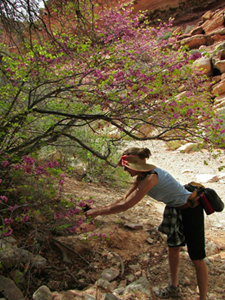
Mindful use of resources is rarely promoted in the consumer culture in which many of us live. If our resources come from a retail store, we take as much as we want, as often as we want. Even if the objects of our desire aren’t affordable, using the all too convenient credit card allows the expense to be put off for another time. Unfortunately, this same mentality is sometimes applied to gathering herbs from nature. Too often, people assume that having the knowledge to wildcraft also gives them the right to harvest whatever, wherever and whenever they desire. Knowing the […] See More
Fresh Perspectives on Stress and the Nervous System
Stress and its effect on the nervous system was the topic of the day in a recent herb class. One of the areas we focused on was the hidden sources of stress in our daily lives; stressful experiences that have been normalized in our modern routine. Included below are some notes from the class. Sources of Stress Time Our view of time as a culture is one of the primary sources of stress. Cultures that are not tied to a clock or daily calendar are much more relaxed. Clock and calendar time are human inventions and not always helpful. Organic […] See More
Guidelines to Harvesting Plants for Food or Medicine
Growing and wildcrafting the plants we use are beneficial in many ways. Simply being aware and in nature with the plant world is healing. It is the ultimate in quality control since you personally are overseeing the process from planting to picking to processing to medicine making to the actual use of the herb or food. Being involved in this process deepens our connection to nature and makes us pro-active in our own healthcare. A well trained herbalist has precious skills and knowledge that can benefit many people. These come with a responsibility; to the plants and their environment and […] See More
Plant Field Guide for Northern Arizona
“Field Guide to Forest & Mountain Plants of Northern Arizona” by Judith D. Springer, Mark L Daniels and Mare Nazaire I recently purchased this book and have had a chance to give it a quick flip-thu. My first impressions are quite good. For field guides in general, the narrower the region, the better. This region covered in this work is specific enough that the plants can be covered in depth. It is applicable to the areas north of the Mogollon Rim that are above 6,000’. Basically, the pinon - juniper zone and higher. Think Flagstaff - Williams to the White […] See More
Plant Metabolites & Herbal Medicine
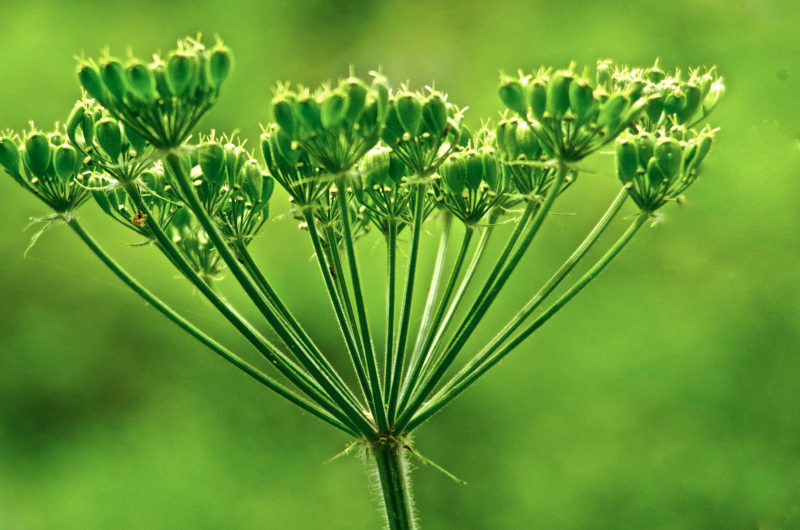
A recurring question when studying herbal medicine is how and why plants have a beneficial affect on people’s health. The answer to this question varies by the cultural filter through which the plant world is viewed. One view that has helped my understanding of herbal medicine is the subject of Plant Metabolites. Nature does not waste energy. If a plant uses its resources to produce bark, leaves, fruit, flowers or thorns, there are good reasons for these. If a plant produces starch, fats, alkaloids or tannins, there are good reasons for those also. The end result of what a plant […] See More
Websites for Herb Research
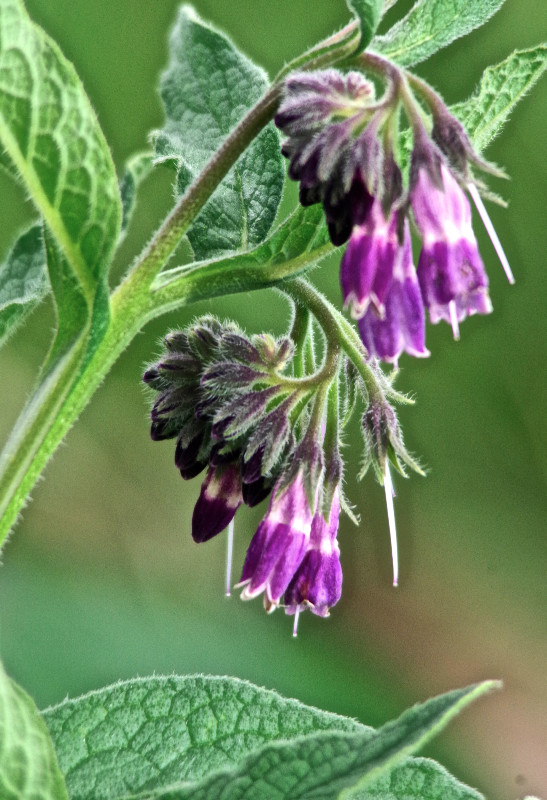
These sites are some of the best on the internet for researching medicinal uses of specific plants. These sources are used for the final project in the Foundations of Herbal Medicine program at our school. They are also helpful for anyone doing independent study in the field of herbal medicine. http://oneearthherbs.squarespace.com/important-herbs-world/ http://www.herbcraft.org/articleindex.html http://animacenter.org/allies.html http://www.herbcraft.org/hoffmann.html http://www.ryandrum.com/index.htm#articles http://www.henriettes-herb.com/ http://cshs.com/archive.html http://medherb.com/1HERB.HTM http://medherb.com/Materia_Medica/materia_medica.htm http://www.herbalremediesadvice.org/Herbs.html https://foragers.jnmwebcreations.com/category/educational-resources/plant-profiles/ http://www.ncbi.nlm.nih.gov/pubmed/ See More
Finding Water in the Backcountry
It is recommended to have water with you. Keep extra water in your vehicle, carry it in your pack or cache it in the back country before a longer hike. Sometimes water is available in the back country. While there are many possible sources, they are not equally reliable. This chart breaks down the preferred sources for back country hydration and rates them according to their reliability and ease of use. Best sources • Open water: lakes, rivers, ponds • Seeps and springs - this method requires local knowledge Good sources • Water markers in the desert: plants that have […] See More
Wild Food Nutrition
This chart compares the nutritional value of common everyday weeds with some vegetables found at the grocer's. You may be surprised! Click on the chart to enlarge. See More
Plant Profile: Rhodiola rosea
Common Name: Rhodiola Golden Root (Arctic) Rose Root Botanical Name: Rhodiola rosea (Crassulaceae) Other Rhodiola species are included in neither traditional uses nor modern research. Energy & Taste: Cold, dry, astringent - The taste, energetics and actions of this herb are strong. Traditional Uses: Increase physical endurance & performance Support longevity Strengthen immune system Increase mental clarity Anti-oxidant Cardio Tonic Reproductive Tonic Shorten recovery time after exercise Increase insulin sensitivity Reduce inflammation Quality & Cost: Wild Russian Rhodiola rosea is chemically distinct from other Rhodiola species. An alcohol extract of this is the preferred product. Much of the Rhodiola in […] See More
Secrets to the Safe Use of Plant Medicines
Herbs are generally considered to be safer to use than pharmaceutical drugs. When used properly, they tend to have a gentler effect on the body; supporting organ systems rather than covering up symptoms. They are certainly more appropriate for home-based, grassroots health care. An important question is: “What is the proper use of herbs?” Let’s take a look at some safety issues to keep in mind when considering using plant medicines. Rule #1: Do No Harm The main safety issue I always ask myself is, “What will happen if the herbs are not effective?” No form of healthcare is 100% […] See More