
Educational Resources

Herbal & Foraging Field Guides for the American Southwest
Book & Internet Resources for Herbal Field Study in Arizona and the Colorado Plateau Field Guides for the Southwest The focus of these books is plant identification rather than herbal usage. In general, books arranged by plant families and that use pen and ink drawings are considered more academic and geared to more experienced botanists. Books that use color photos and order plants according to flower color are considered more user friendly and geared to people with less background in botany. *Wildflowers of Arizona Field Guide by Nora Mays Bowers, Rick Bowers and Stan Tekiela Compact enough for field work. Plants […] See More
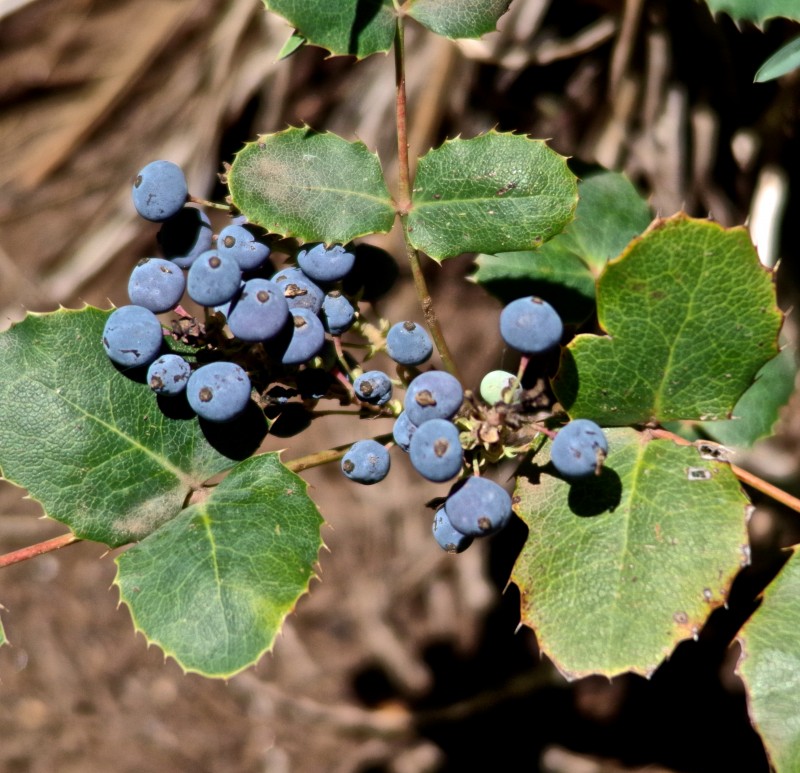
Sedona Herbal Medicine
These are images of some of the medicinal plants encountered in the Sedona area during our plant walks and especially as part of the Foundations of Herbal Medicine course. Three Leaf Sumac (Rhus trilobata) is a common member of the Pinon - Juniper zone. Its leaves are astringent due to the tannic acid. The berries have a tangy sourness to them and are high in Vitamin C. The berries can also be added to water to make a lemony flavored drink, hence the common name: Lemonade Bush. [hr] The resin of pinon pine trees (Pinus edulis) is regionally famous […] See More
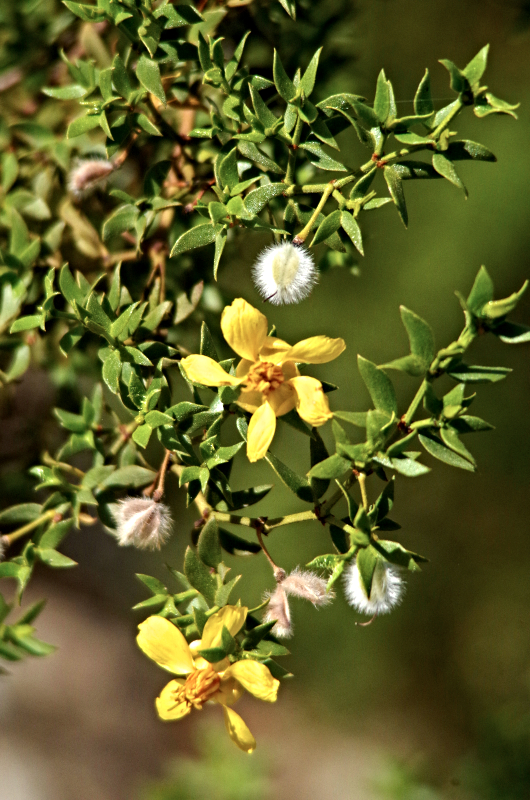
Plant Profile: Creosote Leaf
Botanical Name: Larrea tridentata Family: Zygophyllaceae Common Names: Creosote Bush, Chaparral, Greasewood, Little Stinker, Hediondilla Habitat in Which it is Found/ Harvesting Season/ Special Considerations: Very widespread in the Sonoran and Mojave deserts, especially in the basins and valleys. The highest elevation I have encountered it is at 3,800’ in the Verde Valley. Many desert dwellers connect the aroma of this bush with rain as its scent is released with the increased humidity of a thunderstorm. Because of its proliferation in its native habitat, snipping the leaves off branch tips is easy to do without harming the […] See More
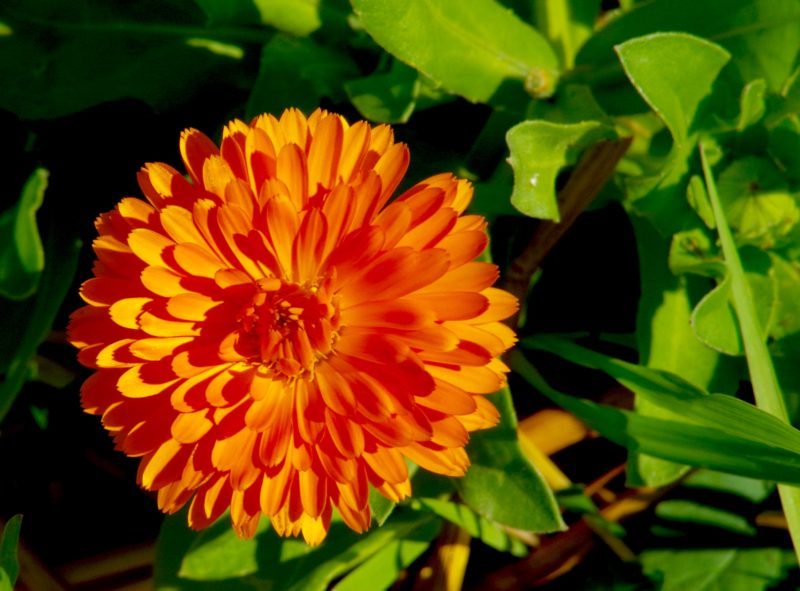
Calendula for Skin Health
Calendula is one of my favorite herbs and definitely at the top of the list for topical applications. It has all the attributes of a top quality herb: safe, effective, easy to grow, inexpensive to purchase, and it possesses a wide range of uses. For folks looking to build a basic home pharmacy with a select group of botanicals, this plant should be high on your list. The botanical name is Calendula officinalis. The species name of officinalis means it was designated the official medicinal species of that genus when botanists were assigning names. There is a definite Euro-centric flavor […] See More
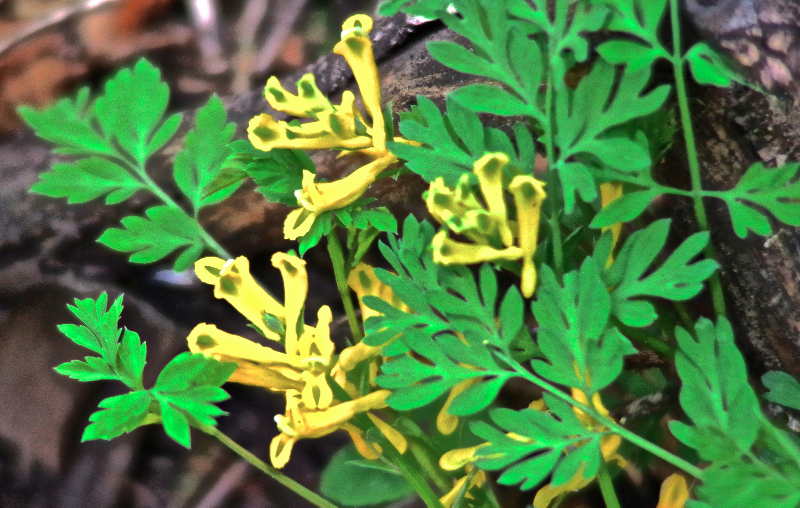
Plant Profile: Corydalis
Botanical Name: Corydalis spp. The local species is Corydalis aurea Yan Hu Suo (TCM) - Corydalis ambigua Family: Papaveraceae Common Names: Golden Smoke Turkey Corn Scrambled Eggs Habitat in Which it is Found/ Harvesting Season/ Special Considerations: It is challenging to give a precise description of this plant's habitat. I have encountered it in ponderosa drainages, in riparian habitats at 3,500', in the pinon/ juniper zone, along trails inside the Grand Canyon, in a fire recovery area of Oak Creek Canyon and in people's backyards growing among the weeds and on steep hillsides that have been replanted around Flagstaff. The […] See More
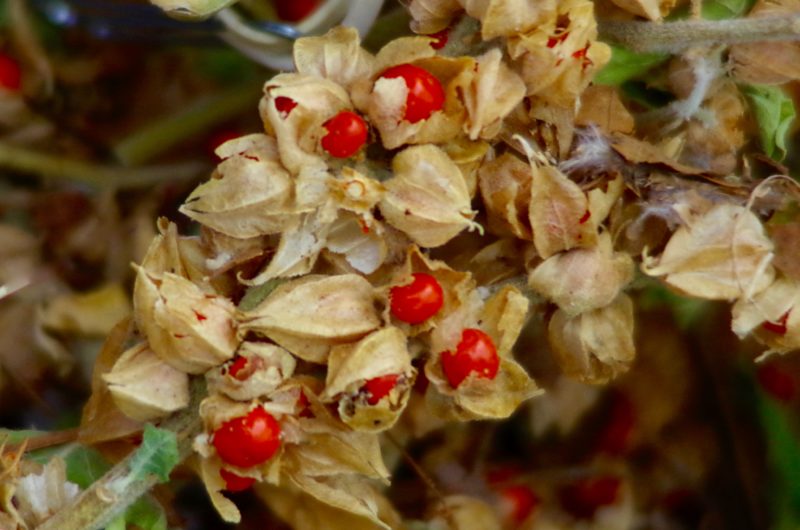
Plant Profile: Ashwagandha Root
Botanical Name: Withania somnifera Family: Solanaceae Common Name: Ashwagandha Primary Characteristics for Field ID: Withania can be grown in many parts of the US. It is not found in the wild in North America. Part Used for Medicine: Root Habitat in Which it is Found/ Harvesting Season/ Special Considerations: The best quality comes from smaller growers who provide whole roots or cut/sifted. The traditional forms of powder are mediocre in quality. Energy & Taste: Warm, dry, bitter, sweet (nourishing) Traditional Uses: Strongly supports the nervous system during prolonged stress Provides a calm, restorative energy - use for deep exhaustion Part […] See More
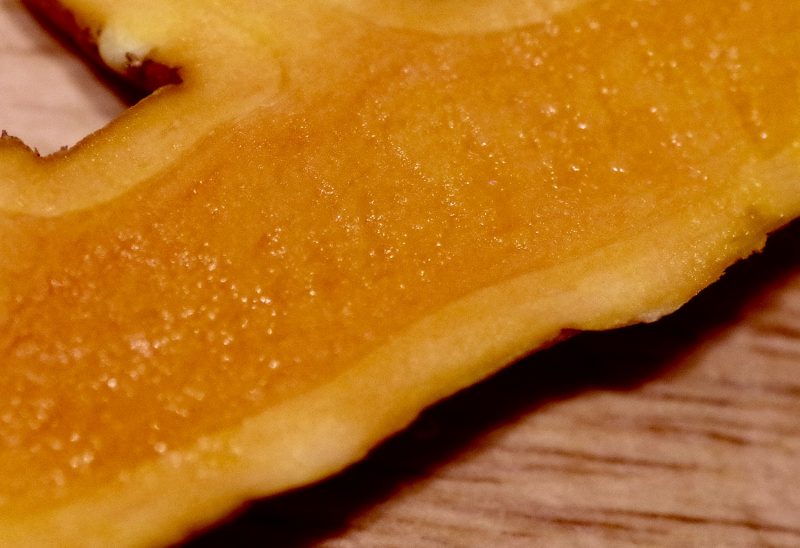
Turmeric Hummus Spread
Many people wish to use turmeric for its wide ranging therapeutic benefits of which modulating inflammation is the best known. The quickest and most convenient way is to use turmeric concentrated extract in capsule form. This is also the most expensive approach and only uses the curcuminoids that make up 5% of the rhizome. Short of learning how to prepare traditional Indian cuisine, what else is available to the person who is aware of the potential benefits of using herbs but lacks the training to create more involved herbal pharmacy at home? The following recipe is affordable, quick and easy […] See More
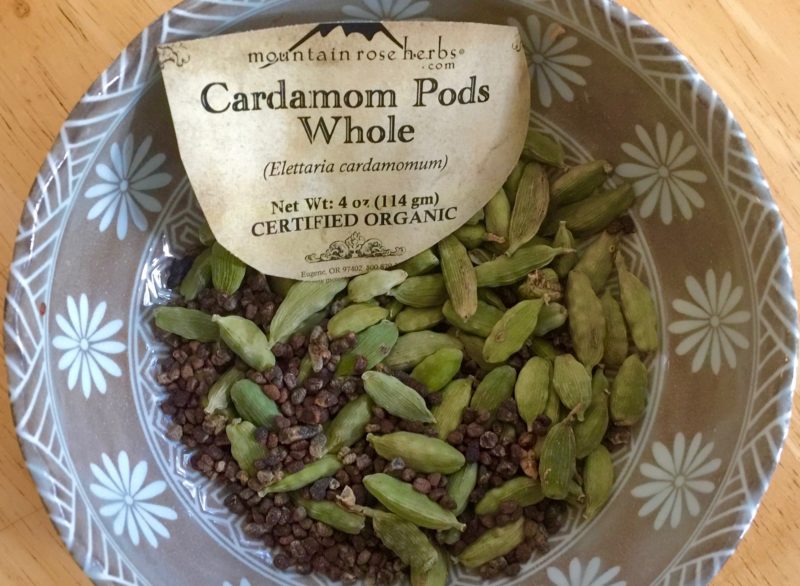
Breathe Easy this Winter
One of the most common health issues we experience each winter is dealing with the congestion that accompanies the common cold. It makes our nose tips red and irritated, it makes our voices sound funny and it makes breathing enough of a challenge that we often feel tired and rundown. The spices used in this formula are universally known for being warming which means they stimulate movement in the body. In this case, the stimulation is getting the congested mucous to start moving, hence the decongestant label. Recipe for Decongestant Honey ½ C honey 1 T turmeric powder 1 T […] See More
How to Make Bone Broth
This article shares both basic and in-depth information for the How and Why of making traditional bone broth. Broth is best prepared at home. One issue I have seen is the tendency in our hurried modern life is to “instant-ify” everything. I have recently come across bone broth that was processed into a powder and marketed as protein powder and came in either vanilla or chocolate flavors. This is most definitely not what is being recommended in this article. What if I Ruin It? Another issue I have encountered is that some people are intimidated with making this dish the […] See More
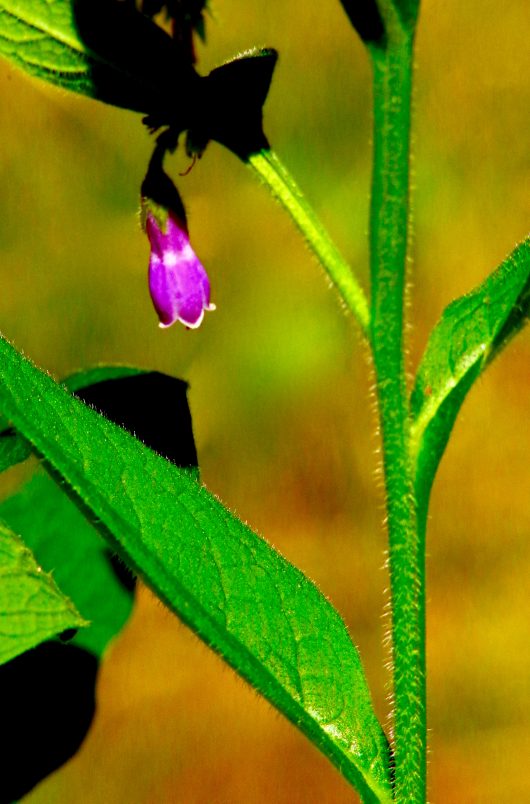
Final Project Research Plant: Comfrey
I am pleased to share a detailed monograph on a controversial plant, Comfrey. The author, Susan Williams, is a recent graduate of the Foundations of Herbal Medicine course. Comfrey Monograph See More