Educational Resources
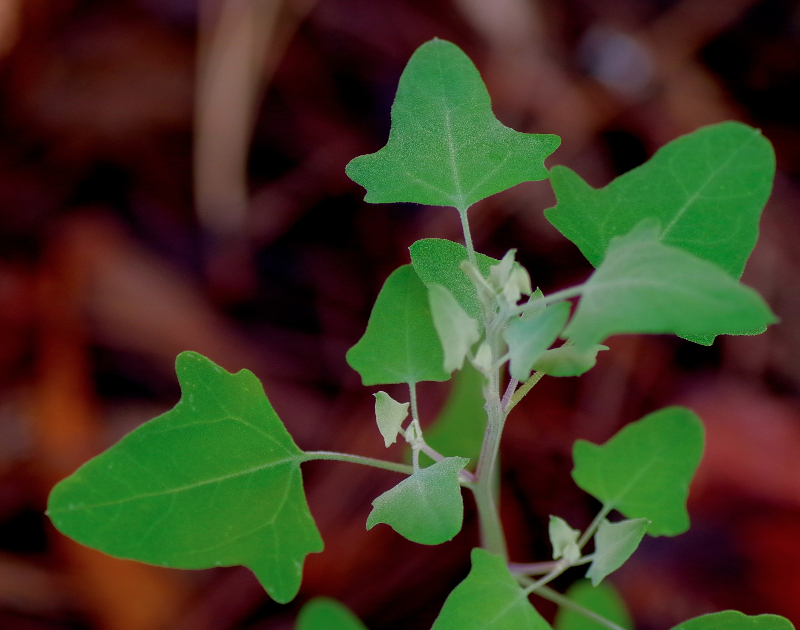
Plant Profile: Chenopodium album
Botanical Name: Chenopodium album Family: Chenopodiaceae Spinach, beets, chard and quinoa are also in this family Common Names: Goosefoot, Lambsquarters Primary Characteristics for Field ID: The leaves are in the shape of a goose's foot which helps with the field ID for a non-botanist. Part Used for Medicine: Fresh leaves and fresh tips Habitat in Which it is Found/ Harvesting Season/ Special Considerations: Very common in the southwest from 3,000’ up to 7500’. It is abundant in the Verde Valley and up through Sedona, Oak Creek Canyon and the Ponderosa forest around Flagstaff. Look for it wherever soil has been […] See More
The Pros & Cons of Coffee
Coffee has long been a controversial drink, both in the alternative health community and in mainstream medicine. Some see it as an elixir, instant energy and the only way to begin the day. Others see it as liquid evil and a cause for many health problems. Actually, coffee is a mixed bag. It has many health promoting chemicals including the antioxidant chlorogenic acid. Yet for some, its stimulating and drying energy can be too strong. The final verdict on coffee? Whether it is helpful or harmful depends on the type of roast, what else is added to the cup, the […] See More
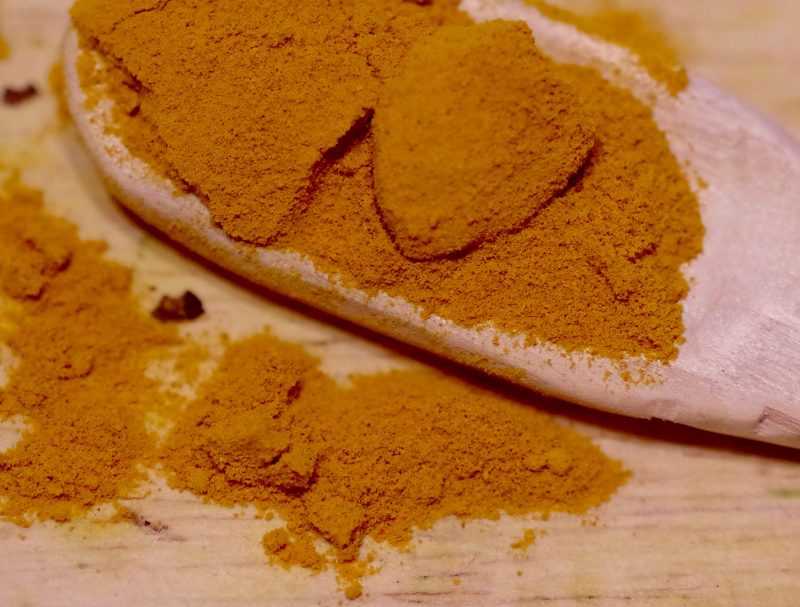
Plant Profile: Turmeric
This Plant Profile is longer than usual for a few reasons: 1. Turmeric is a polycrest herb, meaning it has multiple uses. 2. The traditional and complete uses of turmeric have largely been lost as it has gained popularity in the inflammation supplement market in the US. 3. Much of the information available in the mainstream health food community is either incomplete or incorrect so I decided to write a longer monograph in the hope that it shows both the breadth and depth of this amazing plant. There is still more to share and this article will be revised as […] See More
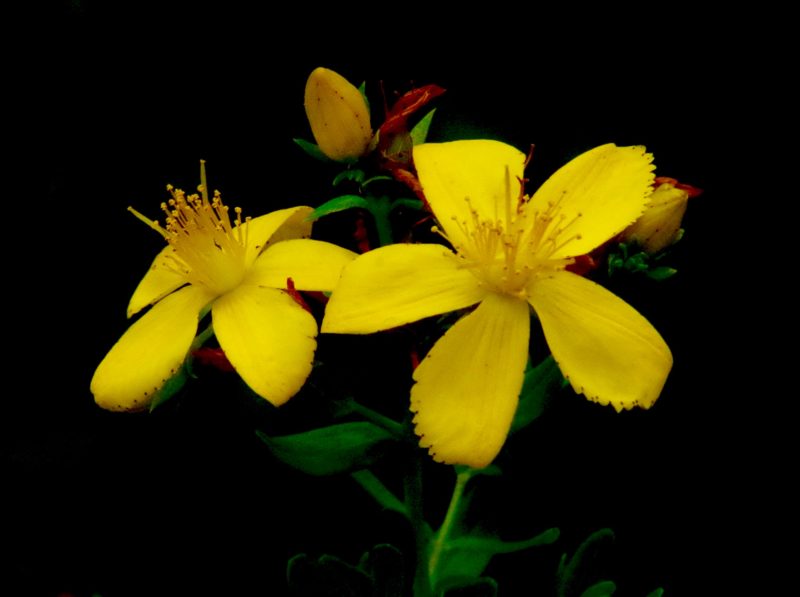
Hypericum perforatum – St John’s Wort Monograph
Monograph of St. John's Wort - Hypericum perforatum Caitlin Stoner, a recent graduate of the "Foundations of Herbal Medicine" course, chose this multi-use therapeutic herb for her final research project. I am very happy to share her expertise on our school's website. Click the link below to read her work. Hypericum - St. Johns Wort See More
Brassicaceae for Herbalists
Brassicaceae - Mustard This family is characterized by flowers that have four petals and are shaped like a crucifix, hence the previous family name of Cruciferae. These plants are often edible and tend to have a spicy, hot energy and flavor although some of the domesticated varieties have been bred for a mild flavor. Besides the usual nutrition of vitamins and minerals, plants in this family support Phase I and II liver detox which has far reaching benefits in many areas of health. Many wild greens are in this family. Depending on the species, the leaves, roots or seeds are […] See More
Using Aromatic Spices to Improve Digestion
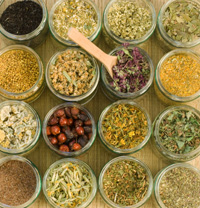
Many traditional views of healing from around the world view the digestive system as a key to overall health. This includes Traditional Chinese Medicine (TCM), Ayurveda and Western Herbalism. One way to support complete and thorough digestion of our food is through the use of spices. These aromatic seeds and roots are seen as more energetic than nutritive. They are included in the diet for their ability to positively influence the warming - cooling and moistening - drying continuums used in energetic medicine. They are not considered nutritive due to the fact that they do not contain significant amounts of […] See More
Plant Profile: Comfrey Leaf
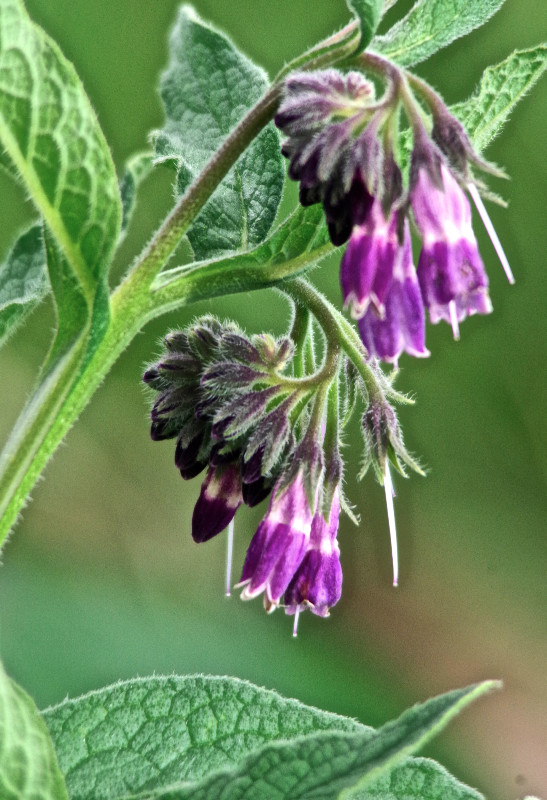
Botanical Name: Symphytum officinale Symphytum ×uplandicum There is confusion in the herb and gardening communities about these two species. See the .gov links at the bottom of this page. Family: Boraginaceae Common Names: Comfrey, Knitbone Part Used for Medicine: Leaf & Root - these have the same therapeutic uses Habitat in Which it is Found/ Harvesting Season/ Special Considerations: Comfrey prefers well watered, rich soil so it is rarely found in the SW outside of well tended gardens. It is fairly easily cultivated in the right conditions. I have only seen it growing wild once in the […] See More
Mullein Monograph – Verbascum thapsus
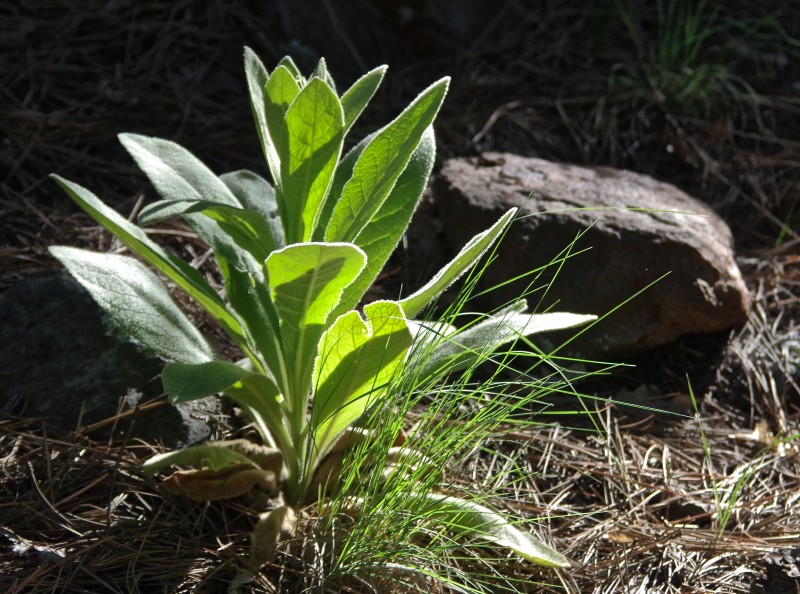
Molly Wood, a recent graduate of the Foundations of Herbal Medicine program, chose Mullein, a plant she grew up with, as her final research project. Click the link below to read her work. Mullein - Verbascum thapsus See More
Botany Resources for Herb Students
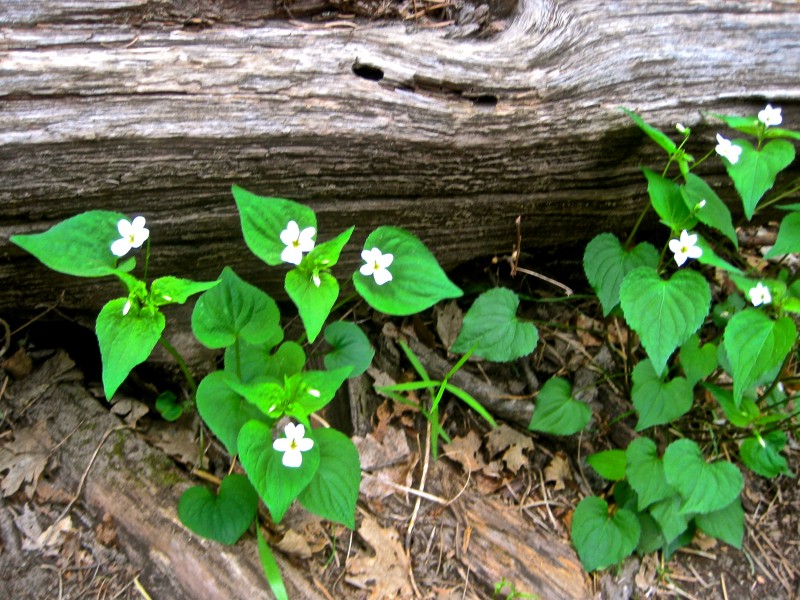
Botany Books Whether one is foraging for food or wild crafting medicinal herbs, the primary botanical reference for our region is “Botany in a Day” by Thomas J. Elpel. It is extremely well written and user friendly. Several of the following internet sites build off the foundation of this book. It should be the #1 botanical reference purchased by any beginning forager or herbalist. It was recently updated with a 6th edition published in May, 2013. This newest version has color illustrations and updated family and genera names. This book is referred to often during our herb programs. Shanleya’s Quest […] See More
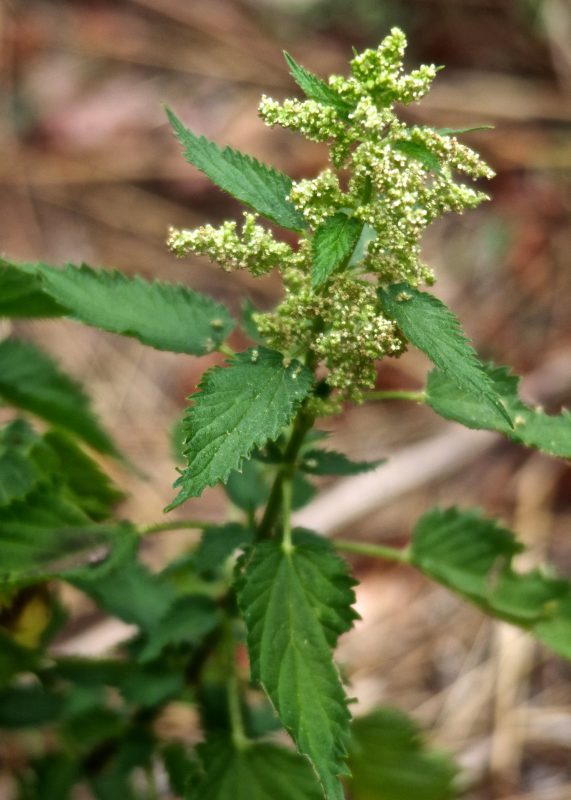
Plant Profile: Nettle Leaf
Botanical Name: Urtica dioica Family: Urticaceae Common Names: Nettles, stinging nettles Southwest Habitat: Nettles like rich, black, damp soil in partial shade. It is most likely found in riparian areas, near seeps or in shady areas where deciduous trees have had the opportunity to help build the soil. It is not at all common in the arid landscapes of Arizona although it is a common weed in many temperate zones. Energy & Tastes: Mild taste and energy - sightly cooling and drying Most wild greens are considered to be at least slightly bitter although I find nettles to have a […] See More