
Plant Profiles
Plant Profile: Tulsi – Holy Basil
Common Name: Tulsi, Holy Basil There are different varieties and chemotypes of Tulsi. A chemotype is a species of plant that changes chemistry and therapeutic actions depending on where it is grown. This can be due to soil, elevation or climate. Besides the herb of Tulsi, some essential oil plants such as Rosemary and Basil have chemotypes. To make this even more involved, the chemistry of Tulsi changes during its growth cycle - before and after flowering - which can affect its therapeutic actions. Other common names for Tulsi varieties include Rama, Krishna, Vana and Kapoor. There is much regional […] See More
Plant Profile: Desert Barberry
Botanical Name: Berberis fremontii, B. haematocarpa Family: Berberidaceae The botany world goes back and forth with some of its labels. The plants don’t change; just the names. Berberis and Mahonia are sometimes the same and sometimes different. For the community herbalist, their uses are quite similar. Common Names: Texans I know refer to this genus as Algerita and Michael Moore uses this name in the “Desert and Canyon West” book. Habitat in Which it is Found/ Harvesting Season/ Special Considerations: Most often found between 4,000’ and 6,000’ just below the Mogollon Rim in Arizona although I have seen it along […] See More
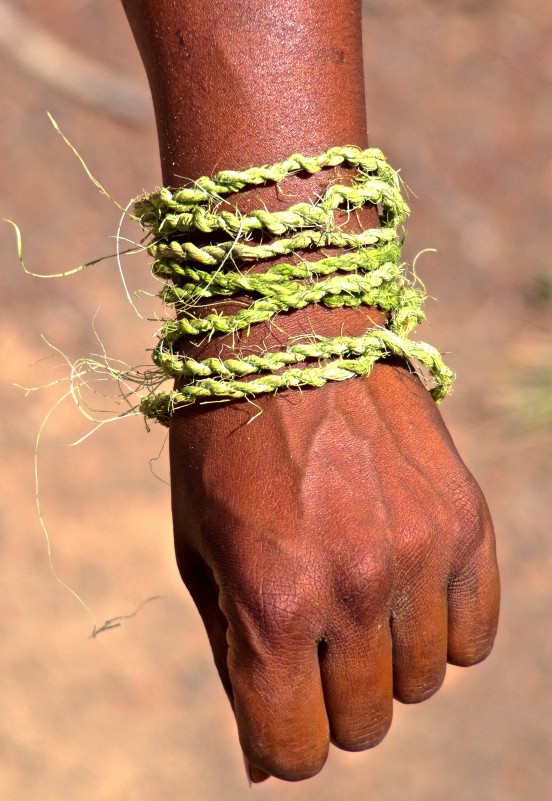
Plant Profile: Yucca
Botany: Yucca baccata (Liliaceae) Often mistaken for its close relative, agave. The main visual difference is the fibers peeling off along the edges of the yucca leaves while agave leaves have serrated edges with sharp points that loosely resemble shark’s teeth. Common Names: Banana yucca. Southwest Habitat: Found between 3500’ and 7,000’ in Arizona. At its upper ranges, it grows along southern exposures of canyon rims. Very common along the South Rim of the Grand Canyon. below 6,000’, it grows mixed in with pinon, juniper and Opuntia. Energy & Tastes: The fruit has a sweet, starchy taste; like a wilder […] See More
Plant Profile – Licorice Root
Botany: Glycyrrhiza glabra is the usual licorice root of commerce in Western Herbalism. Glycyrrhiza uralensis is used in TCM. Glycyrrhiza lepidota is native in North America. It is more common in the Colorado Rockies than in the arid SW. It is rarely used. Licorice is a member of the Fabaceae family. Glycyrrhiza translates as Sweet Root. Common Names: Licorice Energy & Tastes: Sweet, cooling, moistening Preferred Method of Preparation: The alcohol extract is the most common. Decoction is also possible. Herbal Actions: A non-mucilaginous demulcent Mild anti-viral Harmonizing for many formulas when used in small amounts (10-20%) Mild laxative Anti-inflammatory […] See More
Plant Profile – Peppermint Leaf
This Profile is for the herbal preparation and is not meant for peppermint essential oil use. Botany Mentha x piperita (Laminaceae) X means this plant is a hybrid, a cross between two plants. Although there is some controversy over which two, it is generally accepted that spearmint (Mentha spicata) and water mint (Mentha aquatica) brought about peppermint. Parts Used: Leaves Common Names: Peppermint Southwest Habitat: While not native, it can be found in moist areas - it likes to keep its feet wet. It can be found actually growing in the water of a flowing stream. I have encountered it […] See More
Plant Profile: Monarda
Botanical Name: Monarda fistula var. menthafolia (Laminaceae) Common Names: Bee Balm, Oregano de la Sierra, Wild Oregano, Mountain Oregano Southwest Habitat: Grows in colonies, usually found in riparian habitats or dry stream beds. Occasionally found away from water in small depressions in the ground where a bit of extra moisture collects. Fairly easy to cultivate in Flagstaff gardens where its spreading nature is welcomed since it is such a useful plant. Available at Native Plant and Seed in Flagstaff. Energy & Tastes: Spicy, very warming Chemistry: Very spicy aromatic due to phenols of thymol, carvacrol and eugenol. These give the […] See More
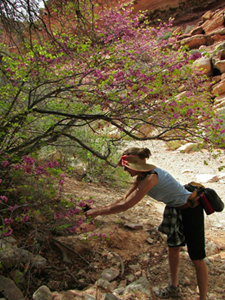
Guidelines to Harvesting Plants for Food or Medicine
Growing and wildcrafting the plants we use are beneficial in many ways. Simply being aware and in nature with the plant world is healing. It is the ultimate in quality control since you personally are overseeing the process from planting to picking to processing to medicine making to the actual use of the herb or food. Being involved in this process deepens our connection to nature and makes us pro-active in our own healthcare. A well trained herbalist has precious skills and knowledge that can benefit many people. These come with a responsibility; to the plants and their environment and […] See More
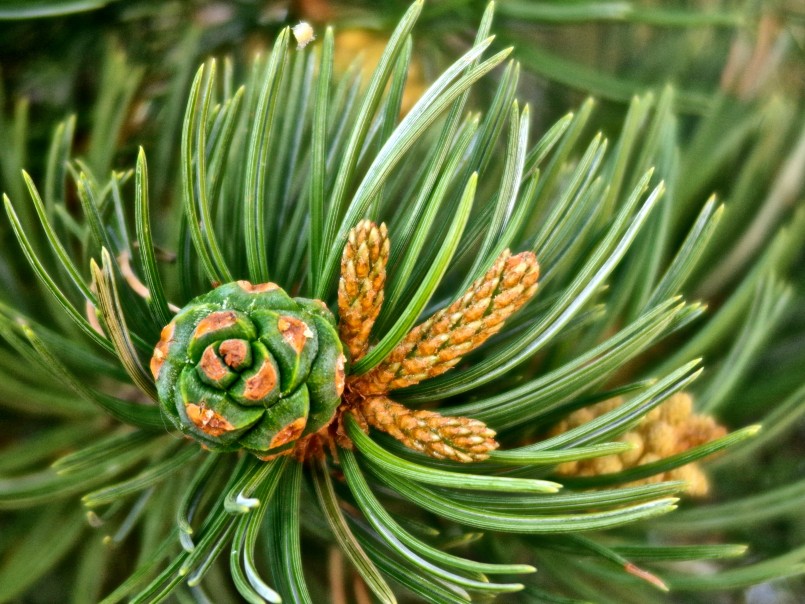
Plant Profile: Pinon
In the American Southwest, there is not the diversity of tree species that exist in Appalachia. Fortunately, the trees that are available to us are truly gifts from the earth. One of my favorites is the pinon pine, which is common throughout the Four Corners area and the Colorado Plateau. Family - Pinaceae Pinus edulis (edible pine) Range In Arizona, I have found it as low as 3700’ and as high as 7000’. The general zone is around 5000’-6500’ and often mixed with junipers. Look for it in the upper reaches of a juniper forest, where it transitions to a […] See More