
Plant Profiles
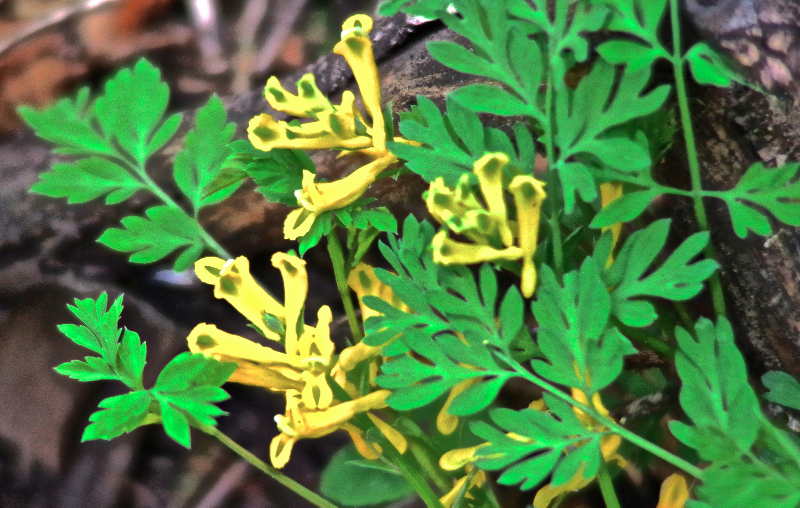
Plant Profile: Corydalis
Botanical Name: Corydalis spp. The local species is Corydalis aurea Yan Hu Suo (TCM) - Corydalis ambigua Family: Papaveraceae Common Names: Golden Smoke Turkey Corn Scrambled Eggs Habitat in Which it is Found/ Harvesting Season/ Special Considerations: It is challenging to give a precise description of this plant's habitat. I have encountered it in ponderosa drainages, in riparian habitats at 3,500', in the pinon/ juniper zone, along trails inside the Grand Canyon, in a fire recovery area of Oak Creek Canyon and in people's backyards growing among the weeds and on steep hillsides that have been replanted around Flagstaff. The […] See More
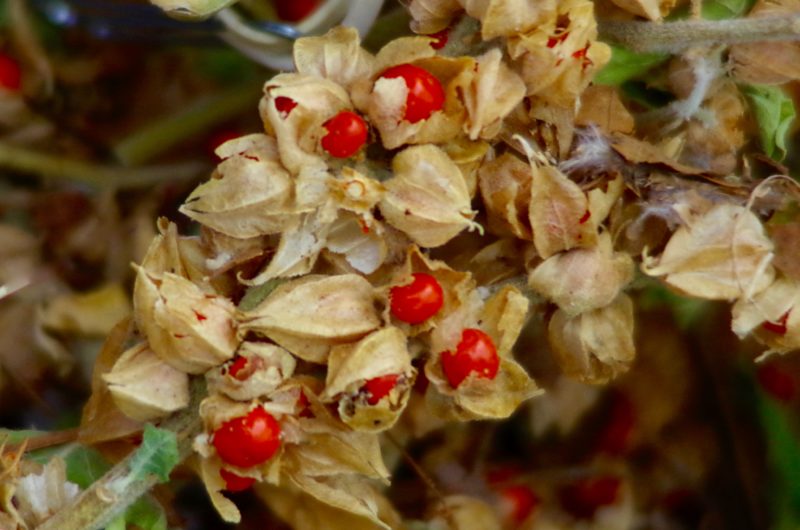
Plant Profile: Ashwagandha Root
Botanical Name: Withania somnifera Family: Solanaceae Common Name: Ashwagandha Primary Characteristics for Field ID: Withania can be grown in many parts of the US. It is not found in the wild in North America. Part Used for Medicine: Root Habitat in Which it is Found/ Harvesting Season/ Special Considerations: The best quality comes from smaller growers who provide whole roots or cut/sifted. The traditional forms of powder are mediocre in quality. Energy & Taste: Warm, dry, bitter, sweet (nourishing) Traditional Uses: Strongly supports the nervous system during prolonged stress Provides a calm, restorative energy - use for deep exhaustion Part […] See More
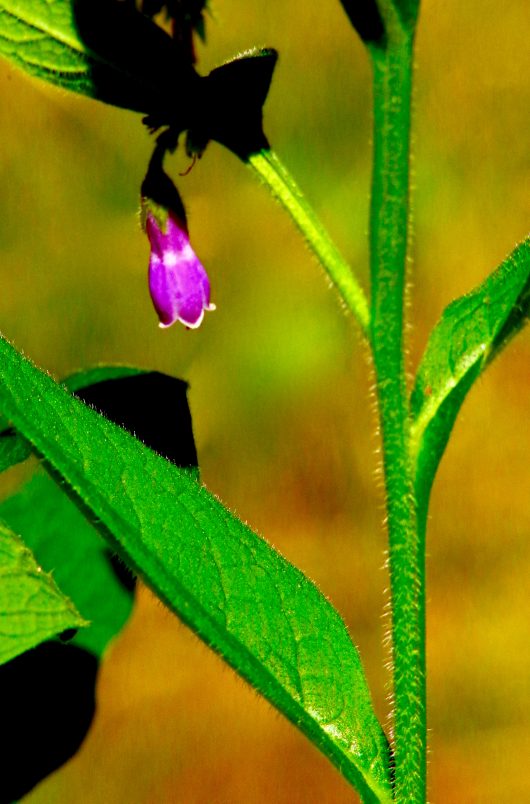
Final Project Research Plant: Comfrey
I am pleased to share a detailed monograph on a controversial plant, Comfrey. The author, Susan Williams, is a recent graduate of the Foundations of Herbal Medicine course. Comfrey Monograph See More
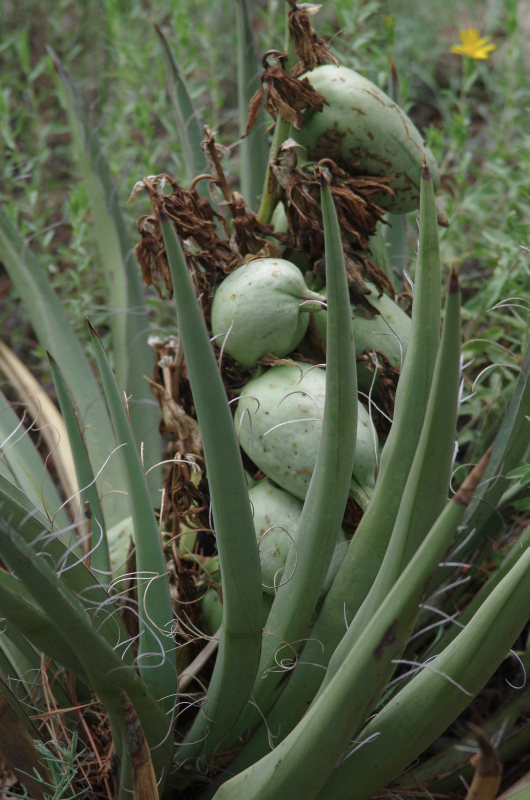
Yucca and Primitive Fire Making
I am pleased to share a chapter from a new book written by my good friend and colleague, Tony Nester. For 20+ years, Tony has trained folks from all walks of life in outdoor survival and wilderness skills. I have had the good fortune of working with Tony for the past several years and have been continually impressed by his depth of knowledge and deep connection to nature. I hope you enjoy his latest writing on the many uses of yucca. --------------------------------------------------------- When Yucca Was King by Tony Nester Yucca, Spanish bayonet, datil, soapweed—all names for one of the most […] See More
Plant Field Guide for Northern Arizona
“Field Guide to Forest & Mountain Plants of Northern Arizona” by Judith D. Springer, Mark L Daniels and Mare Nazaire I recently purchased this book and have had a chance to give it a quick flip-thu. My first impressions are quite good. For field guides in general, the narrower the region, the better. This region covered in this work is specific enough that the plants can be covered in depth. It is applicable to the areas north of the Mogollon Rim that are above 6,000’. Basically, the pinon - juniper zone and higher. Think Flagstaff - Williams to the White […] See More
Plant Profile: Rhodiola rosea
Common Name: Rhodiola Golden Root (Arctic) Rose Root Botanical Name: Rhodiola rosea (Crassulaceae) Other Rhodiola species are included in neither traditional uses nor modern research. Energy & Taste: Cold, dry, astringent - The taste, energetics and actions of this herb are strong. Traditional Uses: Increase physical endurance & performance Support longevity Strengthen immune system Increase mental clarity Anti-oxidant Cardio Tonic Reproductive Tonic Shorten recovery time after exercise Increase insulin sensitivity Reduce inflammation Quality & Cost: Wild Russian Rhodiola rosea is chemically distinct from other Rhodiola species. An alcohol extract of this is the preferred product. Much of the Rhodiola in […] See More
Plant Profile: Reishi
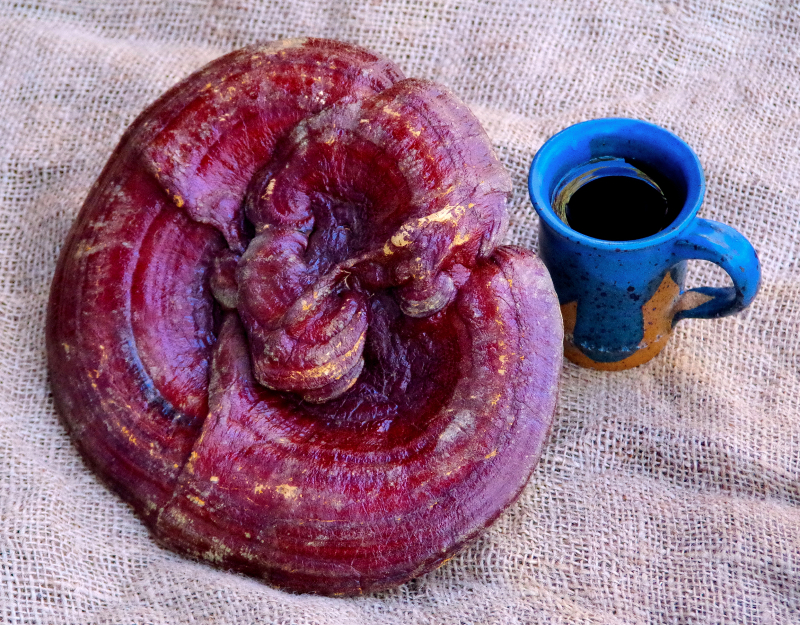
Botany: Ganoderma lucidum Other Ganderma spp. may also be therapeutic but lack the traditional use. “Gano-derma” translates as “shiny-skin” which is an accurate description of the look of this mushroom. Common Names: Reishi Ling Zhi Mushroom of Immortality Divine Mushrom Spirit Plant (Spirit in this context refers to Shen in TCM) Energy & Taste: Slightly warm, astringent, bitter Chemistry: Immune boosting polysaccharides and triterpenes Method of Preparation: The polysaccharides benefit from a long decoction. A more involved method is tincturing the mushroom to extract triterpenes, then using the marc in a long decoction to extract the ploysaccharides. Combine the menstruum […] See More
Plant Profile: Royal Jelly
Common Name: Royal Jelly (although not an herb, it is used in herbal medicine) Botanical Name: The primary food eaten by the queen bee and produced by other bees in her hive. The common honeybee is known as Apis mellifera. Energy & Taste: Neutral temperature, sweet and slightly sour Traditional Uses: -The dosage is smaller and more infrequent than other adaptogens. It can be taken twice a week long term or for one week each month. -A supreme tonic, it is used to slow the general aging process. This correlates to Jing in TCM. -Used for both menopause and andropause, […] See More
Plant Profile: Schizandra Berry
Common Name: Schisandra. also spelled Schizandra Wu Wei Zi (5 Flavor Berry) Botanical Name: Schisandra chinensis Energy & Taste: It has 5 flavors: sour, salty, spicy, bitter and sweet. These flavors correlate to the 5 Elements in TCM and the 5 primary organs. Because of the 5 flavors, the energy is mixed. If used with appropriate herbs in formula, it can be tridoshic. Traditional Uses: -Improves quality of sleep but is not a sedative -Supports the fluids of the body. This includes keeping skin supple, the blood strong and strengthening the reproductive fluids -Calms Shen -Adrenal tonic -Reproductive tonic - […] See More
Plant Profile: Eleuthero
Common Name: Eleuthero Siberian Ginseng (this plant is not a true ginseng). This label is rarely if ever used in commerce anymore but the confusion persists. Botanical Name: Eleutherocauccus senticoccus This plant is in the same family (Araliaceae) as the Panax spp. of ginseng. It is a different genus and very distantly related. The link between these plants used to be emphasized for marketing reasons. Energy & Taste: A fairly neutral energy and less stimulating than some other adaptogens, making this herb beneficial for a wide variety of ages and all doshas if formulated properly. Traditional Uses: -Nervine tonic for […] See More