Education
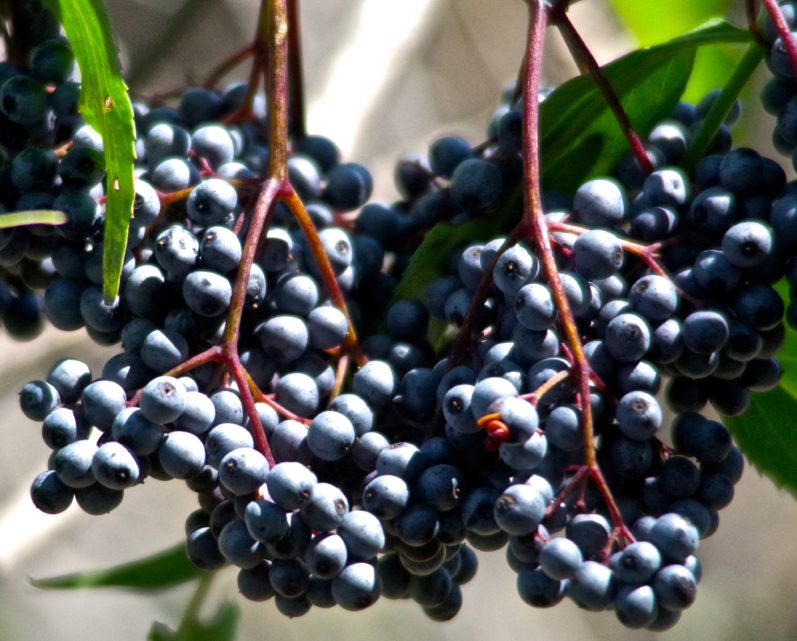
Using Elder Berries and Flowers in Herbal Medicine
These are the notes from a recent day-long workshop on understanding the Sambucus species on a deeper level than just taking Elderberry syrup. Herbal uses for the elder bush are also covered extensively in the Foundations program at our school. Botany In formal academic writing, the Elder bush is known as Sambucus nigra (Adoxaceae). These labels are the Genus, Species and Family, respectively. Until recently, the plant family was Caprifoliaceae or Honeysuckle. It has recently been changed to the Adoxaceae family. Some sources have not yet made the change and a few authors dispute to which family it belongs. The […] See More
The Importance of Regular Attendance
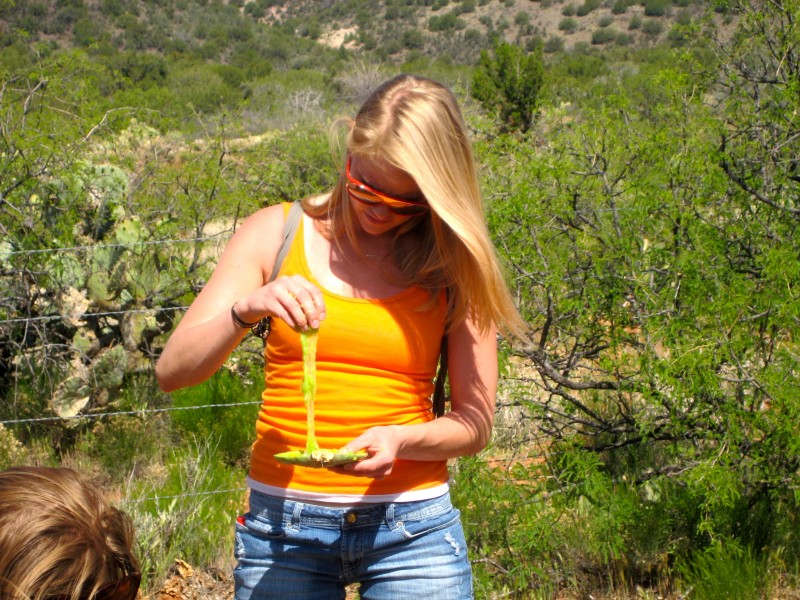
Regular attendance in any of the longer programs at the Foragers Path is essential to gain as much benefit as possible. The curriculum is cumulative - meaning that each meeting is built upon what was shared in previous meetings. Past experience has shown that being absent for the topics presented during a given class makes it more difficult to have a working understanding of topics shared in later meetings. The reduced benefit has also been seen for people arriving late or leaving early on a given day. Attendance also refers to being mentally present during class. At its core, learning […] See More
Old Fashioned Botanical Prints – Part 2
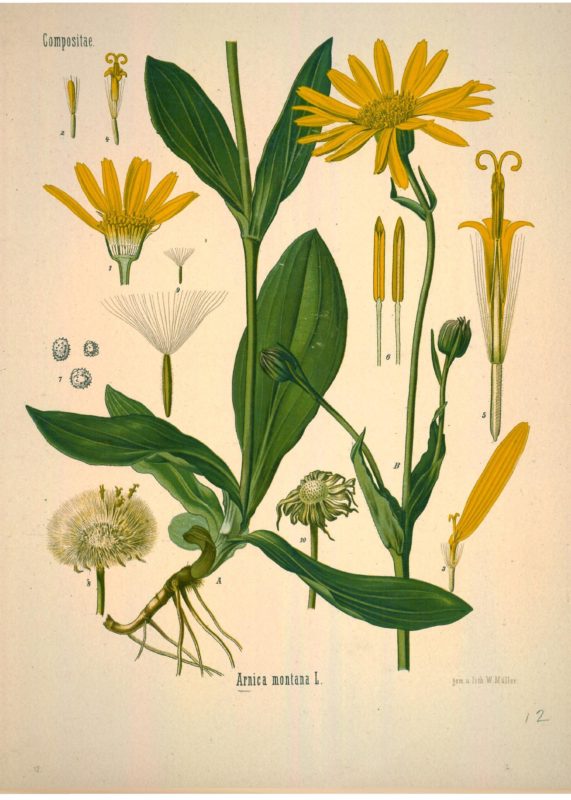
For Part 1, click here. I am especially fond of the old time hand drawn and colored plant illustrations that were common before the age of *immediate.posting.of.photos.on.social.media* became the norm. Don't get me wrong. I am a huge fan of photography and love sharing my own plant images on the web. But there is something very relaxed, slow and mindful about these illustrations. They remind me of the difference between fast food and slow food. From an academic - botanical view, the artists who created these prints included the specific features of each genus or species that is used to […] See More
Is There Homework?
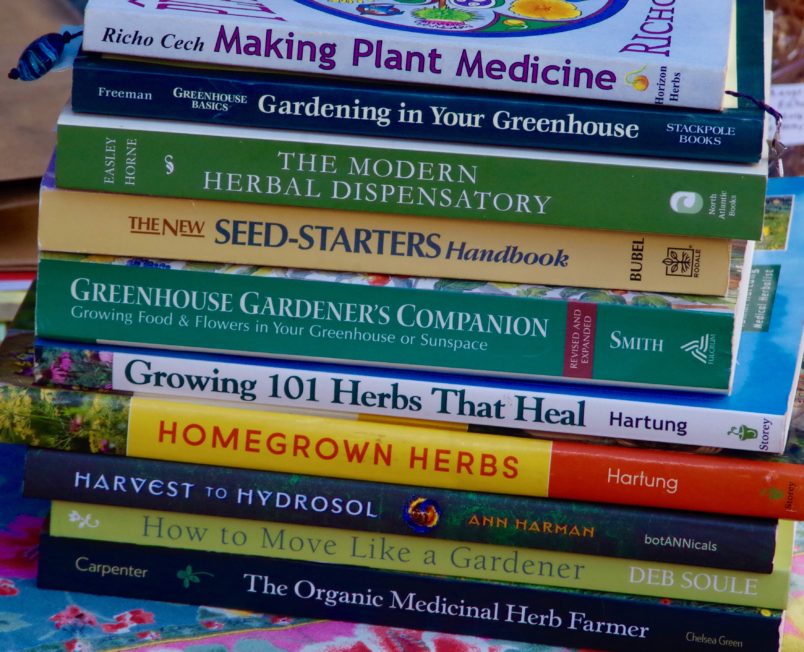
A common question from people interested in longer herb programs relates to homework. The question is simple: Is there homework and how much? The answer is both Yes and No. Yes - there is homework in the sense that people are expected to use herbs on a regular basis and apply the new skills, ideas and information presented at each gathering. This may mean drinking an herb tea, making an herbal honey, preparing and using a tincture or wildcrafting a newly learned plant. All these activities are relevant and common every day experiences for a Community Herbalist. This is part […] See More
Comfrey & Pyrrolizidine Alkaloids
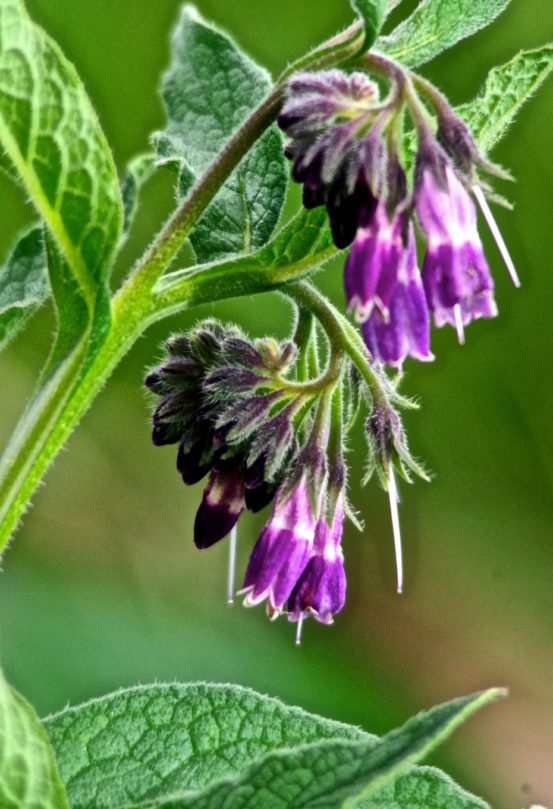
Safety issues connected to the internal use of various Comfrey (Symphytum officinale, S. uplandicum x) species have been a controversial topic since I became active in the herb community in the early 1990s. Many presentations in articles, blogs, classes and conferences prefer to address the therapeutic benefits of this plant and avoid directly giving information on the question of safety. The presentation usually has some version of "Do your own research and make your own decision" about comfrey. The main drawback to this approach is the reader - student is left with no guidelines on where or how to get […] See More

Resources for Metabolic Syndrome
Metabolic Syndrome (also known as Syndrome X or Insulin Resistance) is an increasingly common disorder in modern society. It is primarily due to easy access to poor quality carbs combined with a sedentary lifestyle. This condition, including a detailed herb - diet - lifestyle protocol, is addressed during the Advanced Topics in Herbal Medicine course. The links below have been gathered to support the class-based materials. Many of these links are to diabetic websites. The information is helpful to anyone who wants to lose excess weight, balance blood sugar or increase heart health. The relevance of these sites is most […] See More
Understanding Leaky Gut Syndrome
In recent years, the issue of intestinal inflammation, commonly known as Leaky Gut Syndrome, has become a topic of much discussion and some controversy. The protocol for Leaky Gut Syndrome is addressed in detail in our Advanced Topics in Herbal Medicine program. The following links have been gathered to support the information shared in class. These links include views from Ayurveda, Traditional Chinese Medicine, mainstream western medicine and traditional western herbalism. Our hope is you will find these helpful in your ongoing work towards greater health and becoming a more skilled herbalist. An in depth article on this topic from […] See More
Final Research Project: Goldenseal
I am pleased to share a final project research paper from a recent graduate of the 9 month "Foundations of Herbal Medicine" program. This student has chosen to remain anonymous but would like to publicly share the project. Goldenseal - Hydrastis canadensis Prepared by ... Foundations of Herbal Medicine The Forager’s Path School of Botanical Studies Botanical Name: Hydrastis canadensis Common Name: Goldenseal Family: Ranunculaceae, Buttercup Family Energetics: Cooling, Bitter, Drying Part Used: Rhizome and root Biochemical Constituents: Hydrastine, berberine, resin, traces of essential oil, chlorogenic acid, albumin and sugar Description: Goldenseal (Hydrastis conadensis) derives its name from two Greek […] See More
Plant Profile: Arizona Cypress
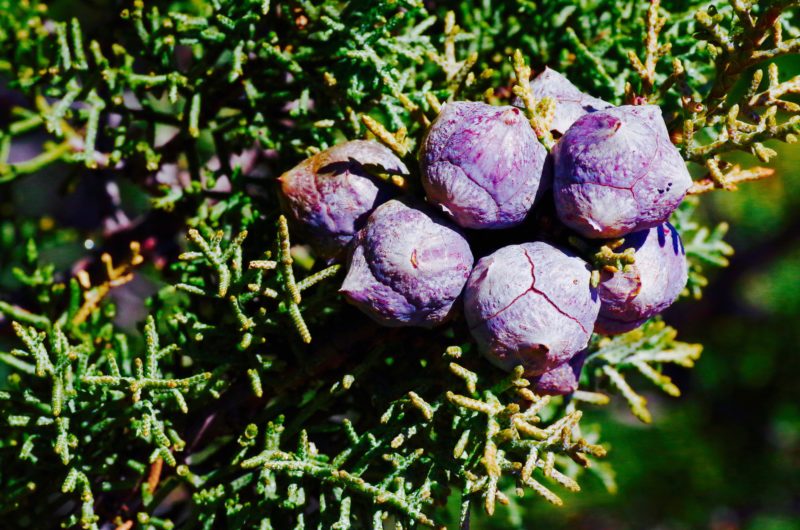
Botanical Name: Hesperocyparis arizonica or Cupressus arizonica Family: Cupressaceae Common Names: Arizona cypress Primary Characteristics for Field ID: Some folks say it resembles juniper. I look for two differences here. The cypress is a bluish green and comes to a point at the tree top while a juniper has a deeper green foliage and its overall silhouette is rounded. They are both in the Cypress family. Part Used for Medicine: The fresh growth of the foliage on branch tips in spring and early summer. Habitat in Which it is Found/ Harvesting Season/ Special Considerations: Grows in the 3,000’ to 6,000’ […] See More
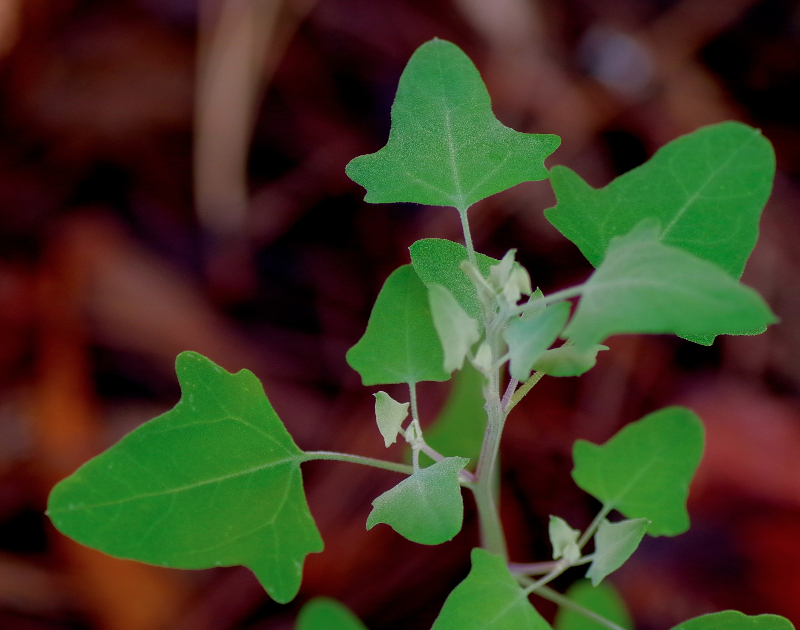
Plant Profile: Chenopodium album
Botanical Name: Chenopodium album Family: Chenopodiaceae Spinach, beets, chard and quinoa are also in this family Common Names: Goosefoot, Lambsquarters Primary Characteristics for Field ID: The leaves are in the shape of a goose's foot which helps with the field ID for a non-botanist. Part Used for Medicine: Fresh leaves and fresh tips Habitat in Which it is Found/ Harvesting Season/ Special Considerations: Very common in the southwest from 3,000’ up to 7500’. It is abundant in the Verde Valley and up through Sedona, Oak Creek Canyon and the Ponderosa forest around Flagstaff. Look for it wherever soil has been […] See More