
Educational Resources
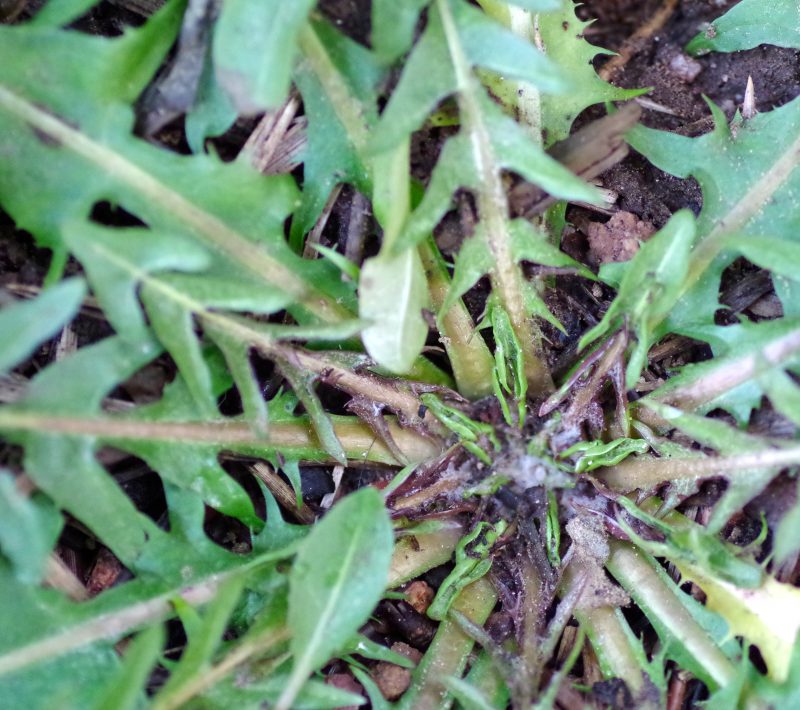
The Role of Digestive Bitters in Human Health
Notes from the Digestive Bitters Class... Defensive Strategies in Nature All animals have some way to defend themselves. The defensive mechanism may be armor, a poisonous sting or bite, camouflage or the ability to outrun a predator. Some animals, such as mice and rabbits, simply outbreed their predation rate. The goal of all these strategies is to stay alive long enough to reproduce and keep the species extant. Plants also have predators. A deer is a predator to a tasty leaf. A javelina is a predator to succulent roots. Plants need to defend themselves either by making their food unavailable, […] See More
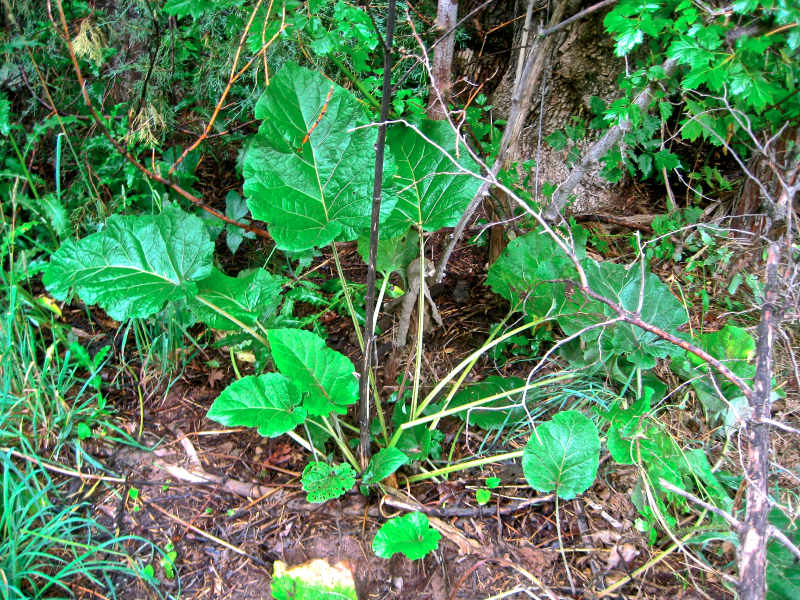
Plant Profile: Burdock Root
Botanical Name: Arctium lappa Family: Compositae Common Names: Burdock Part Used for Medicine: Root Habitat in Which it is Found/ Harvesting Season/ Special Considerations: In Southwest Colorado, it grows in shade, sometimes near streams. Although some field guides list burdock in northern Arizona, I have yet to see it. It is widespread in the Midwest and common in other temperate climates around the world. Also commonly found in Asian grocers where it is known by its Japanese name, Gobo. Energy & Tastes: Cooling, nourishing, mild flavor & energy Wild burdock can be more bitter than the commonly used cultivated root. […] See More
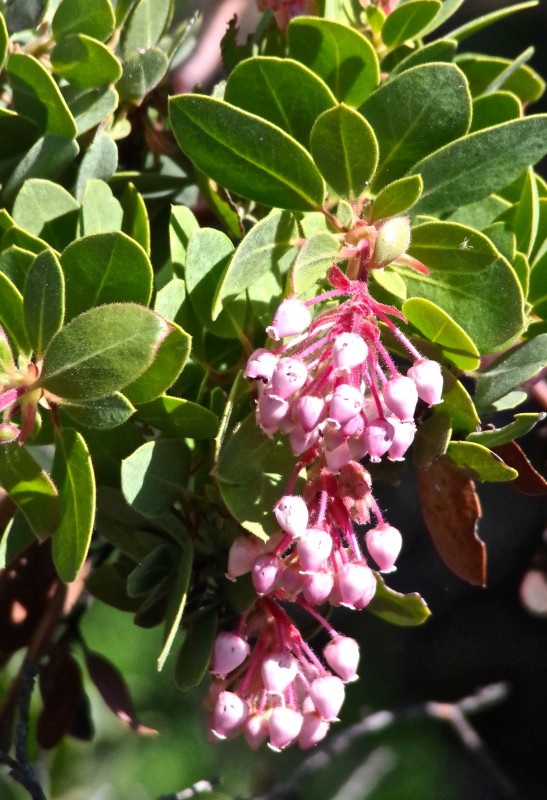
Ericaceae for Herbalists
The Ericaceae family, also known as the Heath family, has fewer plants that are in common use in herbal medicine but they are widely used and an important part of our materia medica. In general, they like acidic soil and are often some version of a shrub or tree with evergreen leaves. In addition to their therapeutic value, they often have edible berries. Blueberry - especially high in flavonoids Cranberry - very high in anti-oxidants. Making a simple relish with fresh, raw cranberries is quite healthy and a world apart, taste-wise, from the jellied fruit served at Thanksgiving. Uva Ursi […] See More
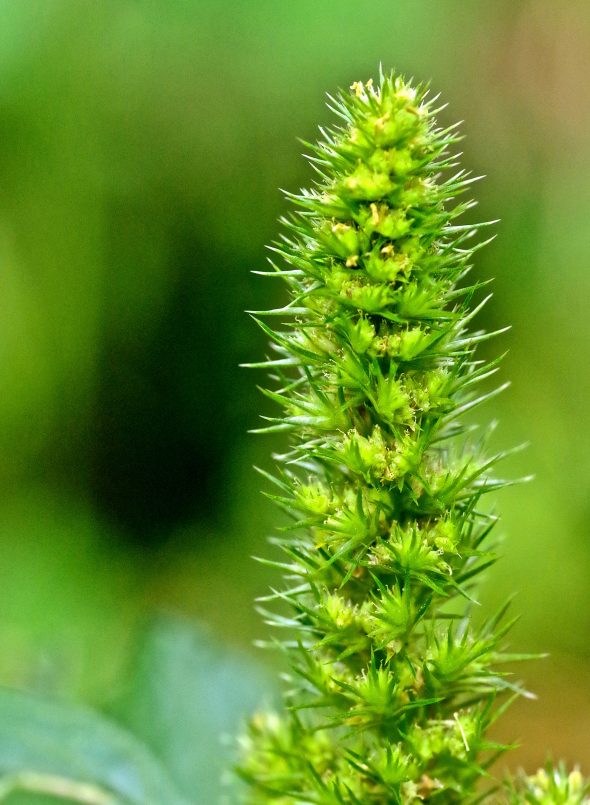
Plant Profile: Amaranth
Botanical Name: Amaranthus retroflexus is very common and 60+ spp. worldwide Family: Amaranthaceae Common Names: Pigweed Primary Characteristics for Field ID: Leaves are lanceolate and alternate along the main stem. Stems are red. Part Used for Food: Fresh leaves and young tips of stems. Older leaves and stems are either bitter, stringy or fibrous. Cultivated amaranth is grown for its large seed heads and is much larger than the wild species referred to here. Habitat in Which it is Found/ Harvesting Season, Special Considerations: Amaranth is widespread around the world. It likes disturbed soils and is often the weed that […] See More
How to Create a Balanced Herbal Sleep Formula
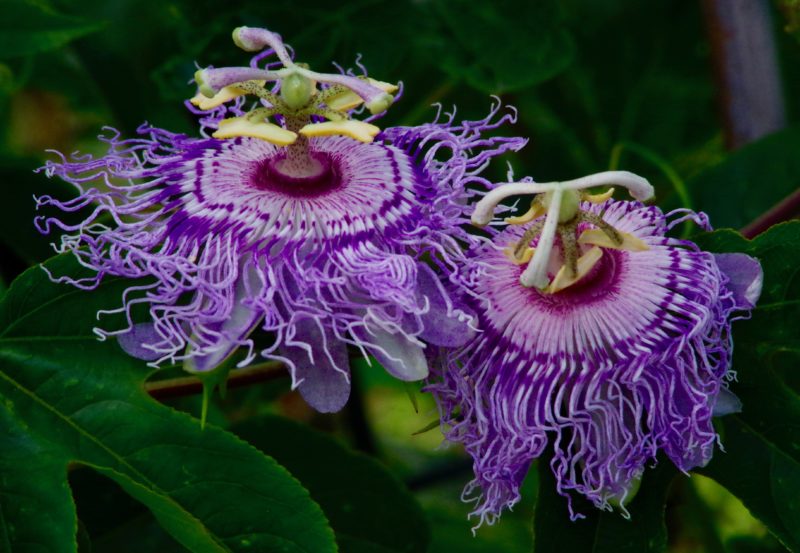
Valerian is a well known and commonly used plant in western herbalism that has been categorized as a sleep herb. Many people have used it late at night when they are tossing and turning and are disappointed when it doesn’t provide the sleep results they were hoping for. This article provides further information on this plant and some ways to combine it that may provide better results for the sleep deprived. Botany The common valerian in commerce is Valeriana officinalis. It is native to Europe and has naturalized in wetter areas of North America. It is commonly found in cultivation […] See More
Apiaceae for Herbalists
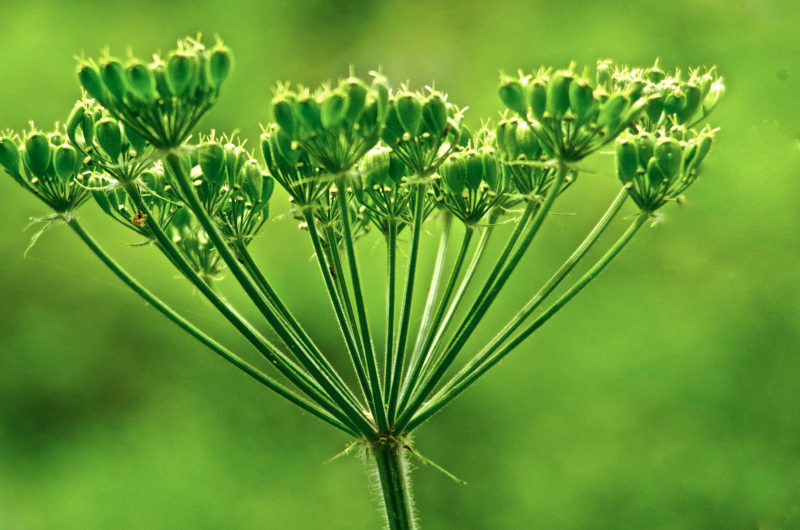
The common names for the Apiaceae family are either the carrot or parsley family. The old family name was Umbelliferae; some books still show this and occasionally botanists still use this older name out of habit. This is an *extremely* important family to know. One reason is that it has abundant herbs, spices and foods. A more important reason is that two of the deadliest poisonous plants in North America are in this family. The bottom line is: do not wildcraft, handle, nibble or use any plant in this family until and unless you are absolutely sure of its identity. […] See More
Plant Profile: Chamomile
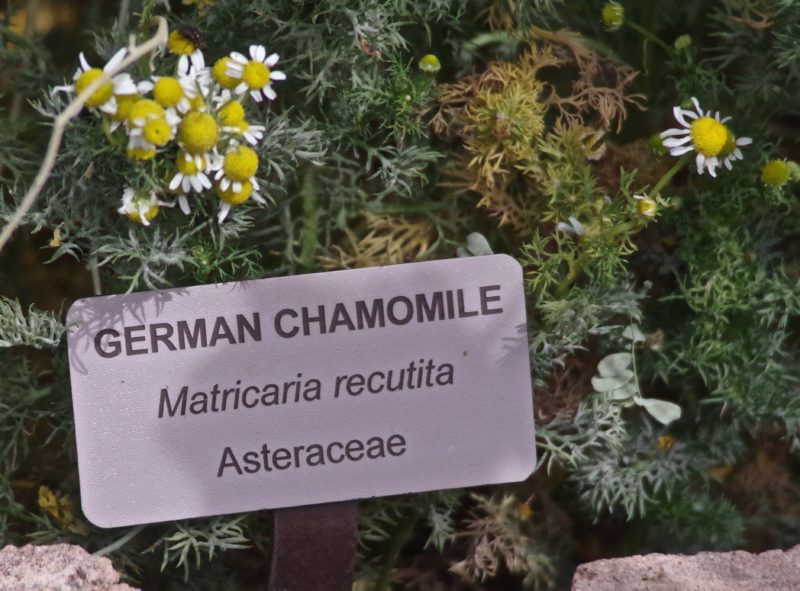
Botanical Name: Roman Chamomile: Chamaemelum nobilis Both plants are therapeutic however Matricaria recutita is my personal favorite. Matricaria refers to Motherly, recutita refers to Bounce Back, both good qualities to have in a healing herb. Family: Compositae Common Names: Chamomile Manzanilla Part Used for Medicine: Flowers Habitat in Which it is Found/ Harvesting Season/ Special Considerations: Native to neither the American Southwest nor North America, Chamomile is easily established in many flower beds. It is not found in the wild in the Four Corners area. Energy & Tastes: Bitter, drying, astringent, mildly cooling Chemistry: Yellow flowers contain flavonoids. Its aromatic […] See More
Plant Profile: Wild Mustard
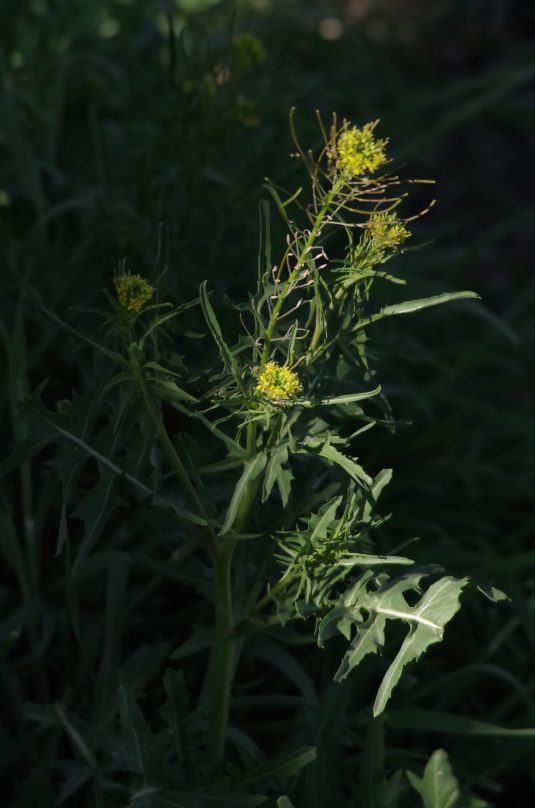
Botanical Name: Sisymbrium irio Family: Brassicaceae Common Names: Wild Mustard, London Rocket Southwest Habitat: Between 1,000’ and 7,500’ - the growing season depends on the elevation. While not native to North America, it is widespread and commonly found in disturbed soil. This is a plant found along trails during Sonoran winter hikes, under juniper trees in the Verde Valley in the spring. Around Flagstaff, it can be found near many trail heads and parking areas in the Ponderosa forest once the monsoons take effect in July and August. An annual, once established it reliably returns each year. Energy & Tastes: […] See More
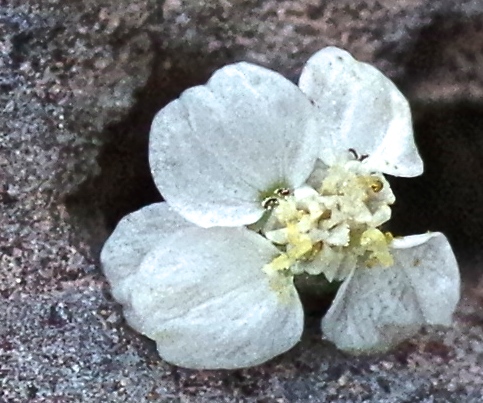
Yarrow (Achillea millefolium) Monograph
Achillea millefolium, commonly known as yarrow, was chosen by Lily James for the final research project in the Foundations program. Her paper is available at the link below. Yarrow - Achillea Monograph See More
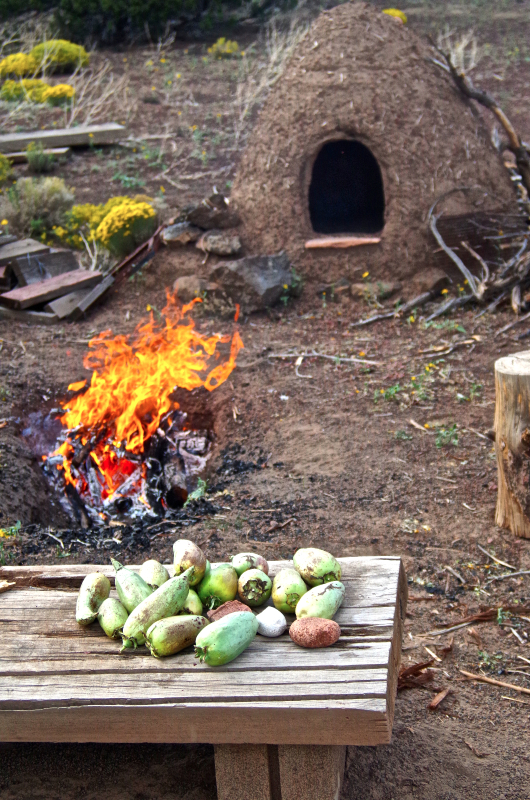
A Fresh View of the Paleo Diet
I am pleased to share an article by Arthur Haines that helps clarify some of the misconceptions around the Paleo Diet. Arthur has some of the very best thinking on diet, health, wild foods and our ancestors from various traditional cultures. The article originally appeared here. This is an Exist Anew guest post by Arthur Haines. This article is a result of recent discussions with a number of people who practice the Paleo Diet. For the record, these discussions were polite and the dialogue centered on pursuit of evidence and application of logical actions in the diet. Grains were a […] See More