
Bushcraft & Wilderness Survival
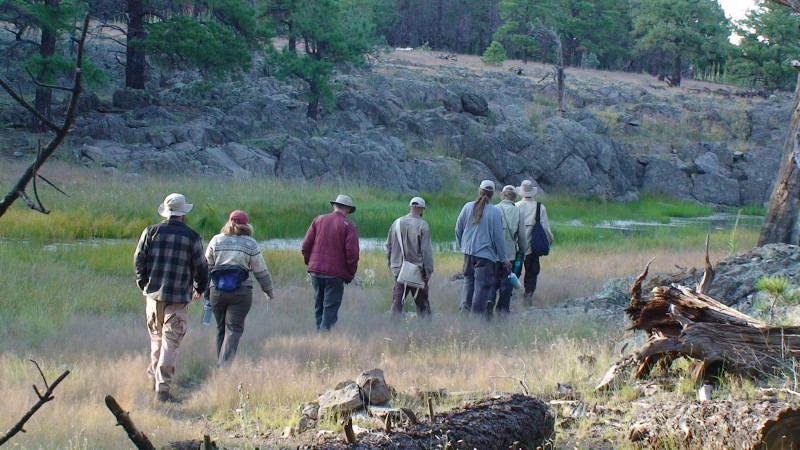
Arizona Herbal Medicine: Plant Walks
One of my NAU classes on a spring trip to Oak Creek Canyon, near Sedona. An lush riparian habitat with many deciduous trees: willow, sycamore, oak, alder, cottonwood, apple and cherry. A true botanical paradise and an area I explore often with classes. [hr] Exploring along a drainage in the ponderosa forest at 7,000'. The extra moisture here provides wild onion, Arizona grape, bullrush and Monarda. [hr] A student is working with prickly pear pads, making a poultice from the demulcent insides of a pad. Cooling, soothing and moistening, good to use on sunburns. Similar to aloe […] See More
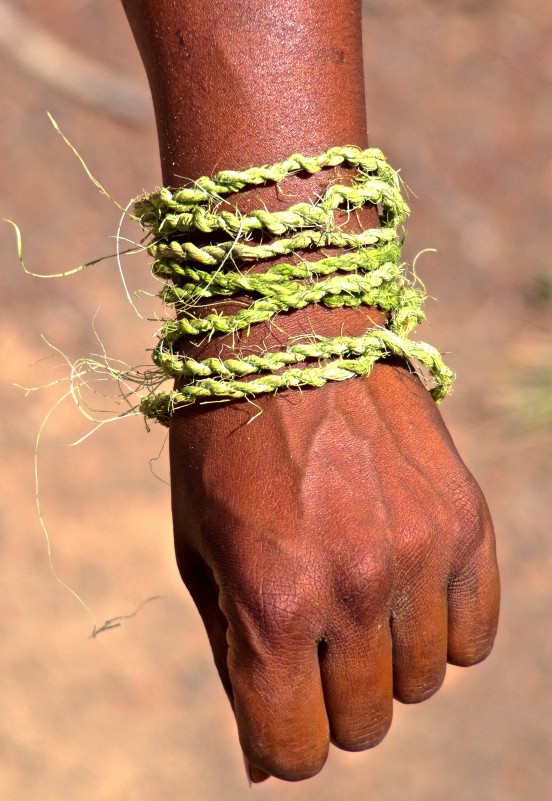
Plant Profile: Yucca
Botany: Yucca baccata (Liliaceae) Often mistaken for its close relative, agave. The main visual difference is the fibers peeling off along the edges of the yucca leaves while agave leaves have serrated edges with sharp points that loosely resemble shark’s teeth. Common Names: Banana yucca. Southwest Habitat: Found between 3500’ and 7,000’ in Arizona. At its upper ranges, it grows along southern exposures of canyon rims. Very common along the South Rim of the Grand Canyon. below 6,000’, it grows mixed in with pinon, juniper and Opuntia. Energy & Tastes: The fruit has a sweet, starchy taste; like a wilder […] See More
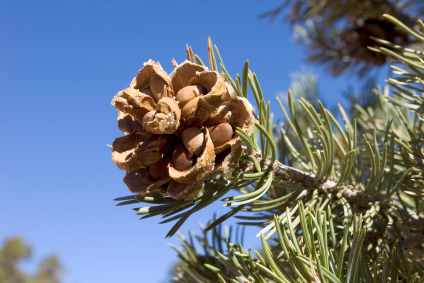
Modern Day Foraging from a Hunter Gatherer Perspective
Interest in wild foods has been steadily growing over the past several years, both in the herb community and in the mainstream culture. In this article, I will be sharing background information and guidelines that have been helpful in my own ongoing journey of being a modern day forager. Learning the lifestyles of our long ago ancestors has been especially helpful in this area. They ate wild food out of necessity rather than by choice. They had a time-tested way to survive and thrive long term and much of this information is still applicable today. Hunter-Gatherers are in all our […] See More
Our Classroom
The Forager's Path School of Botanical Studies is located on the southern edge of the Colorado Plateau and serves the communities of Flagstaff, Sedona, Cottonwood and the Verde Valley. The flora-rich landscapes stretch from the Upper Sonoran Desert, along the Verde River, up through the red rocks of Sedona and Oak Creek Canyon and into the lusher ponderosa forests of the Mogollon Rim and Flagstaff. In addition to our central location in northern Arizona, we provide herbal training for the regional communities in Coconino County and Phoenix, Tucson, Las Vegas, Winslow, Williams, Prescott and Durango, Colorado. Explore the Region Our […] See More
Does Organic Mean More Nutrition?
There has recently been extensive coverage in the news about the lack of extra nutrition in organically grown foods. It is important for people to realize that, while organic foods have definite benefits over mainstream produce, higher amounts of vitamins and minerals is not always one of them. Organic means that harmful chemicals have not been added. That alone is quite important and makes choosing these products worthwhile. However, it does not mean that anything especially healthy has been added, such as extra vitamins or minerals. The nutrition in a plant is greatly determined by the quality of the soil. […] See More
Foraging and Safety
Some helpful info on safety when foraging wild foods is found here. See More
Edible v. Palatable
More on the topic of wild foods... Over the years, I have gone through many sources of information for wild edibles. Initially, most were academic oriented and more concerned about recording vanished lifestyles than providing practical information for current readers. The past few years have seen more information on what is available for harvesting and eating in the modern world. There is one fault I see in both information sources. There is a big difference between a food that is edible and one that is actually palatable. I have come to the conclusion that 'edible' in this context simply means […] See More
The Wild Greens of Spring
April in northern Arizona... the plant world is slowly waking up, green eager to show its face above the ground after many months of absence. Quick moving snow storms sweep across the landscape for a few more weeks, the greens teasing us with possibilities, the snow forcing us to be patient. Many people are interested in wild foods; wanting to either connect with nature, increase their nutrient intake or even ‘live off the land’. While enthusiasm is wonderful, some guidelines are essential. I want to share two of these today. The first rule is to be 100% absolutely sure of […] See More
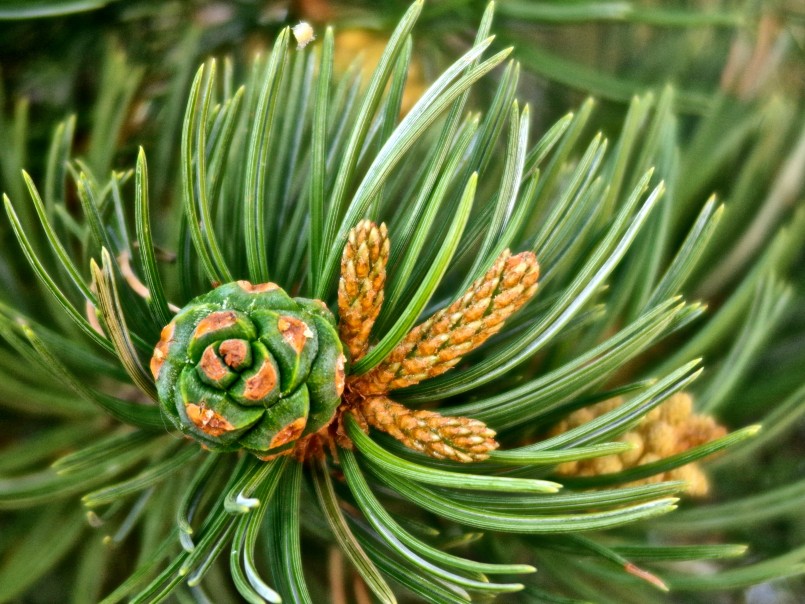
Plant Profile: Pinon
In the American Southwest, there is not the diversity of tree species that exist in Appalachia. Fortunately, the trees that are available to us are truly gifts from the earth. One of my favorites is the pinon pine, which is common throughout the Four Corners area and the Colorado Plateau. Family - Pinaceae Pinus edulis (edible pine) Range In Arizona, I have found it as low as 3700’ and as high as 7000’. The general zone is around 5000’-6500’ and often mixed with junipers. Look for it in the upper reaches of a juniper forest, where it transitions to a […] See More