
Botany
Botany Resources for Herb Students
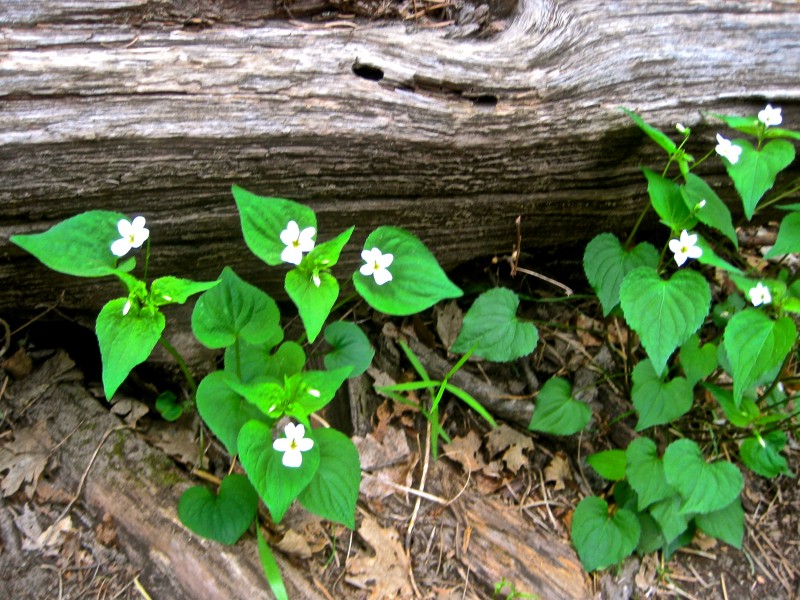
Botany Books Whether one is foraging for food or wild crafting medicinal herbs, the primary botanical reference for our region is “Botany in a Day” by Thomas J. Elpel. It is extremely well written and user friendly. Several of the following internet sites build off the foundation of this book. It should be the #1 botanical reference purchased by any beginning forager or herbalist. It was recently updated with a 6th edition published in May, 2013. This newest version has color illustrations and updated family and genera names. This book is referred to often during our herb programs. Shanleya’s Quest […] See More
Herbal & Foraging Field Guides for the American Southwest
Book & Internet Resources for Herbal Field Study in Arizona and the Colorado Plateau Field Guides for the Southwest The focus of these books is plant identification rather than herbal usage. In general, books arranged by plant families and that use pen and ink drawings are considered more academic and geared to more experienced botanists. Books that use color photos and order plants according to flower color are considered more user friendly and geared to people with less background in botany. *Wildflowers of Arizona Field Guide by Nora Mays Bowers, Rick Bowers and Stan Tekiela Compact enough for field work. Plants […] See More
How to Locate Medicinal & Edible Plants in the American Southwest
Changing elevation in the Southwest changes temperature, precipitation levels, evaporation rates and results in dependable and predictable changes in both flora and fauna. I consider these to be 'normal' places that provide 'normal' flora. Keep in mind that even an undisturbed environment with average temperatures, water supply and sunlight for a given climate will provide many plants useful to humans. The tips in this article are for going beyond the norm by looking for those often overlooked micro-climates and micro-environments. Human Altered Environments ~By old homesteads - look for apple and other fruit trees, asparagus, comfrey, peppermint and catnip ~Pre-historic […] See More
Wildcrafting: Rights v. Responsibilities
Mindful use of resources is rarely promoted in the consumer culture in which many of us live. If our resources come from a retail store, we take as much as we want, as often as we want. Even if the objects of our desire aren’t affordable, using the all too convenient credit card allows the expense to be put off for another time. Unfortunately, this same mentality is sometimes applied to gathering herbs from nature. Too often, people assume that having the knowledge to wildcraft also gives them the right to harvest whatever, wherever and whenever they desire. Knowing the […] See More
Plant Field Guide for Northern Arizona
“Field Guide to Forest & Mountain Plants of Northern Arizona” by Judith D. Springer, Mark L Daniels and Mare Nazaire I recently purchased this book and have had a chance to give it a quick flip-thu. My first impressions are quite good. For field guides in general, the narrower the region, the better. This region covered in this work is specific enough that the plants can be covered in depth. It is applicable to the areas north of the Mogollon Rim that are above 6,000’. Basically, the pinon - juniper zone and higher. Think Flagstaff - Williams to the White […] See More
Botany for Beginners
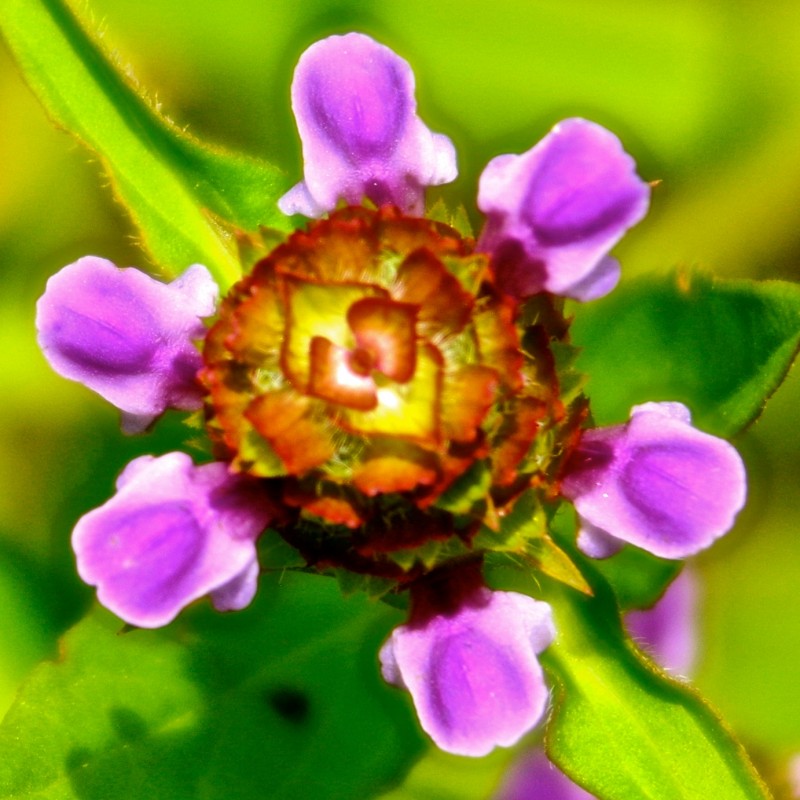
Part of our Foundations of Herbal Medicine Course is spent in various ecosystems and elevations around the Southwest. This field work requires a basic understanding and application of botany. The following article is written as an introduction to this field for our herb students. ______________________________ Science puts things into categories to organize information. It helps us understand and remember better than disorganized bits of info. The language used for scientific plants names is some combination of Latin and Greek with an occasional other language mixed in. These names in academic botany are universal and allow us to speak the language […] See More