
Botany
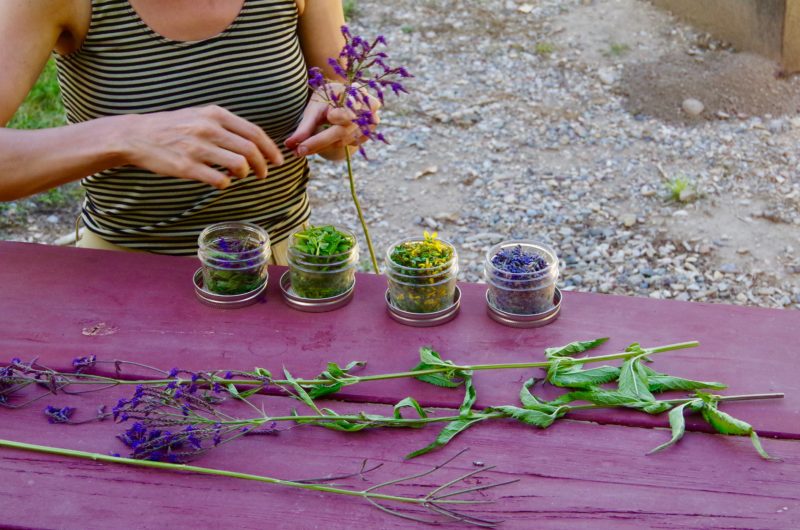
Record Keeping for the Community Herbalist
Record keeping is an important aspect of being an herbalist even though it may not be as enjoyable as spending a day in the canyons and meadows among the wildflowers. The chart included at the link below is a form I have used for many years. It includes all the pertinent information needed to keep track of the When - Where - How - How Much of making extracts. Batch and Lot Numbers When wildcrafting and harvesting herbs, always assign a number to that particular batch or lot. This provides for easy tracking. This number goes on the label or […] See More
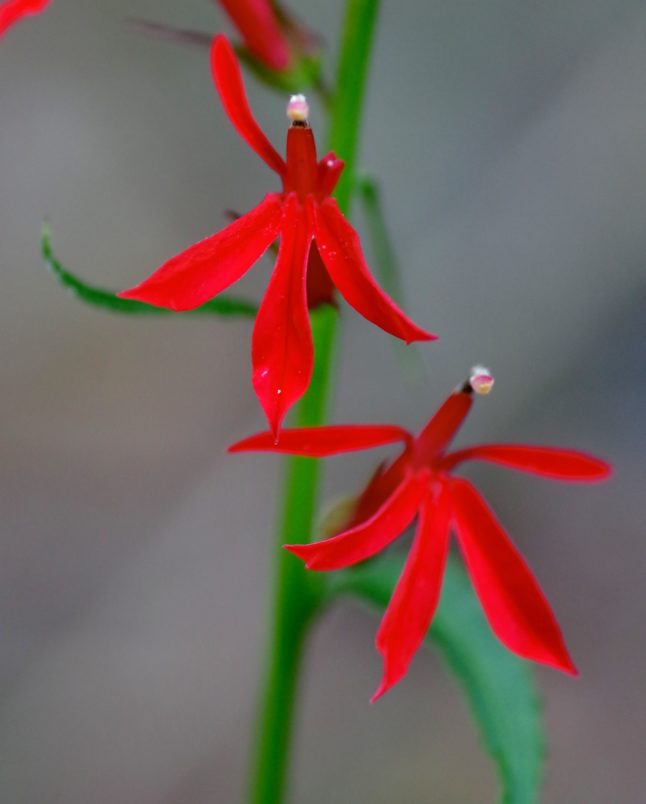
Sourcing Bulk Herbs
Herb courses at our school emphasize the ability of students to create their own herbal pharmacy. The results are both more affordable and higher quality than purchasing finished products off store shelves. Some plants can be harvested from a backyard garden while others can be wildcrafted from the broader landscape. The ability to sustainably wildcraft varies greatly by species, location and recent weather. Even the most dedicated gardener or knowledgeable wildcrafter will need to purchase herbs from time to time. When possible, it is recommended to support local businesses, especially the smaller family-operated herb stores found throughout the country. For […] See More
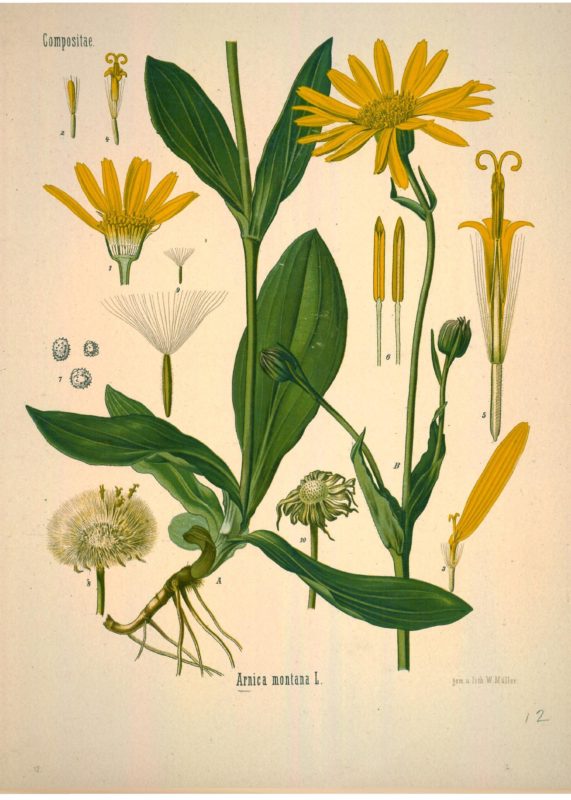
Old Fashioned Botanical Prints – Part 2
For Part 1, click here. I am especially fond of the old time hand drawn and colored plant illustrations that were common before the age of *immediate.posting.of.photos.on.social.media* became the norm. Don't get me wrong. I am a huge fan of photography and love sharing my own plant images on the web. But there is something very relaxed, slow and mindful about these illustrations. They remind me of the difference between fast food and slow food. From an academic - botanical view, the artists who created these prints included the specific features of each genus or species that is used to […] See More
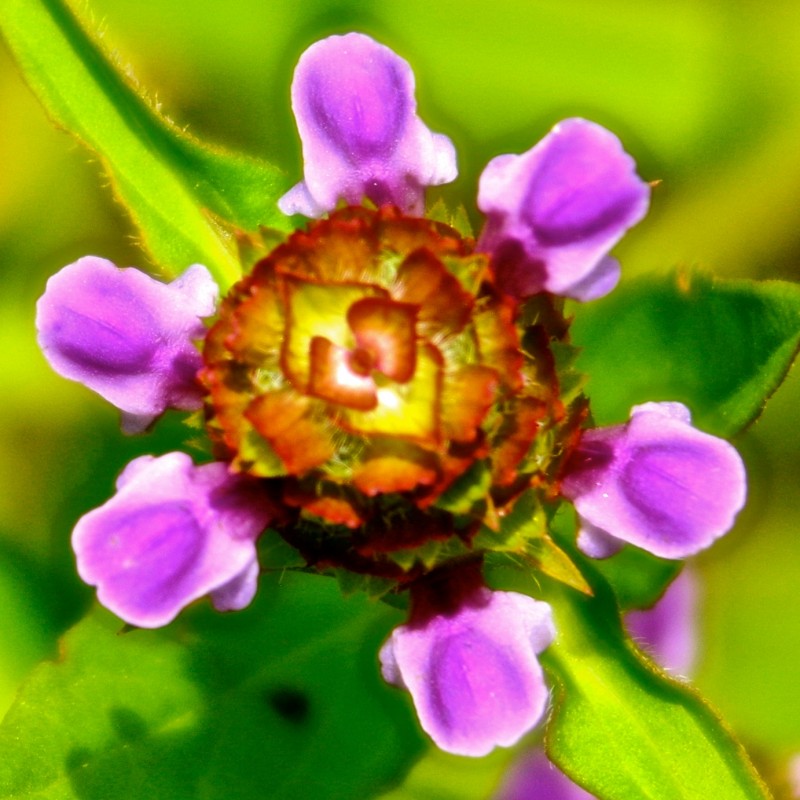
Laminaceae for Herbalists
Laminaceae - Mint The square stem and opposite leaves are dependable markers for this family although there are a few exceptions: • Thymus is a genus that lacks a square stem • Verbena and Nettles are non-mints with square stems. As these exceptions are rare and easy enough to remember, these guidelines remain helpful. Many mints are famously aromatic and high in essential oils. Mint essential oils generally have a relaxing, anti-spasmodic effect. In general, plants in the mint family have at least one of the following actions: ~Carminative - improves digestion through a relaxing effect on the GI tract […] See More
Pinaceae for Herbalists
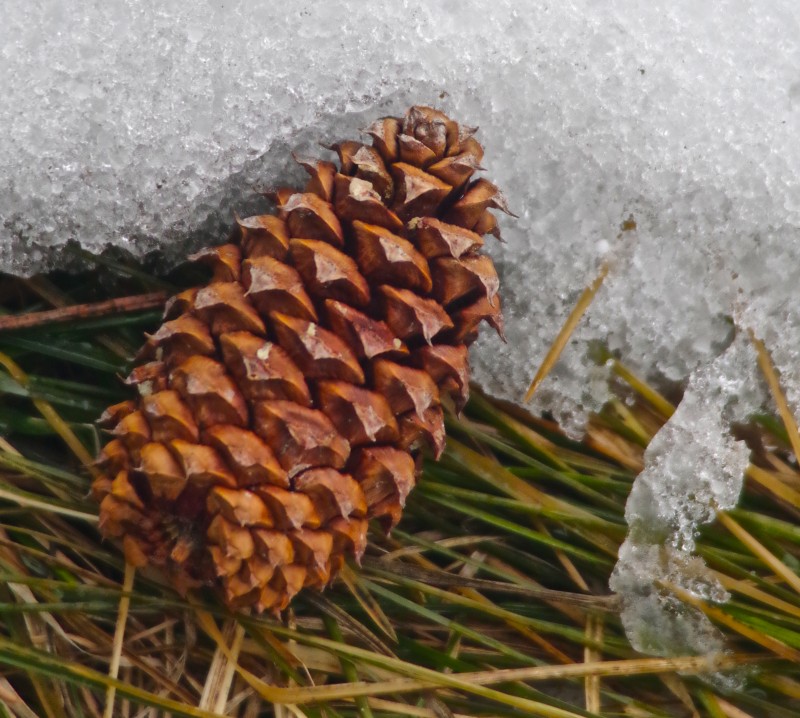
The Pinaceae family, commonly known as the Pine family, includes the Spruce (Picea) and Fir (Abies) genera in addition to the Pine (Pinus). Cedar is also in this family although the common cedar in the southwest is actually juniper, a member of the Cypress family. There are no true cedars native to the area. Therapeutically, the volatile oils from these trees are found in the needles and resin. The essential oil is high in monoterpenes, specifically the pinenes and limonenes. Their warming, light energy is especially beneficial to the respiratory system. A wide variety of herbal pharmacy is made from […] See More
Comfrey & Pyrrolizidine Alkaloids
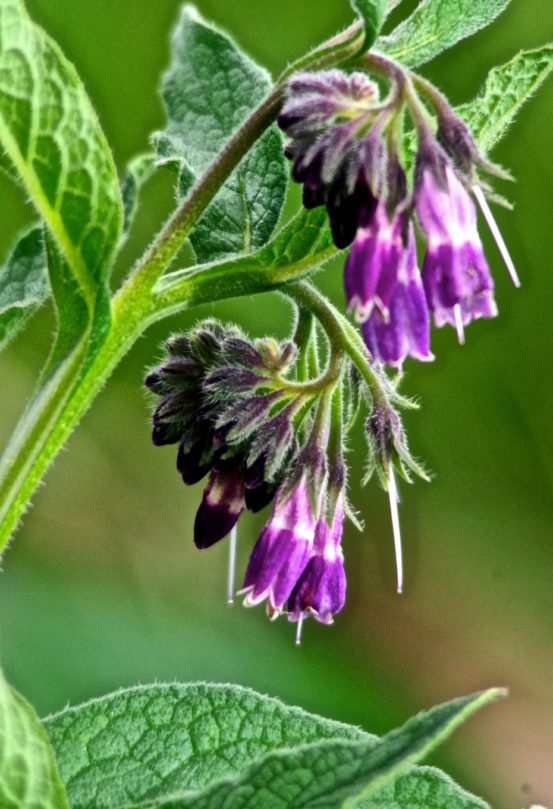
Safety issues connected to the internal use of various Comfrey (Symphytum officinale, S. uplandicum x) species have been a controversial topic since I became active in the herb community in the early 1990s. Many presentations in articles, blogs, classes and conferences prefer to address the therapeutic benefits of this plant and avoid directly giving information on the question of safety. The presentation usually has some version of "Do your own research and make your own decision" about comfrey. The main drawback to this approach is the reader - student is left with no guidelines on where or how to get […] See More
Fabaceae for Herbalists
Fabaceae - Commonly known as the Pea, Bean or Legume Family One of the largest families in the world, large enough to have subfamilies and tribes This family has irregular flowers with the shape famously described as “banner - wings - keel” The seed pods have the classic green bean, pea pod form. Leaves are often pinnately divided This family is often high in phyto-estrogens Many species are edible or medicinal although some are toxic Herbs: Red clover (Trifolium pratense) Astragalus, known as Huang Chi in TCM Licorice - Glycyrrhiza glabra is common in Western Herbalism, G. uralensis is used […] See More
Poaceae for Herbalists
Poaceae - Grass Family Background Info -This family includes major food crops worldwide. The domestication and cultivation of grass seeds allowed (forced?) hunter-gatherer cultures to stay longer in one place and develop farming techniques and villages. -Grass stems are hollow and round with nodes where the leaves are located -Almost all grass seeds are edible but they are not always practical to harvest or palatable. -Grasses have a non-showy flower and are wind pollinated -Ceres (cereal) is the Greek goddess of grass. Barley (Hordeum) Oats (Avena spp.) Rice (Oryza spp.) Wheat (Triticum spp.) Corn (Zea spp.) Millet - a combination […] See More
Malvaceae for Herbalists
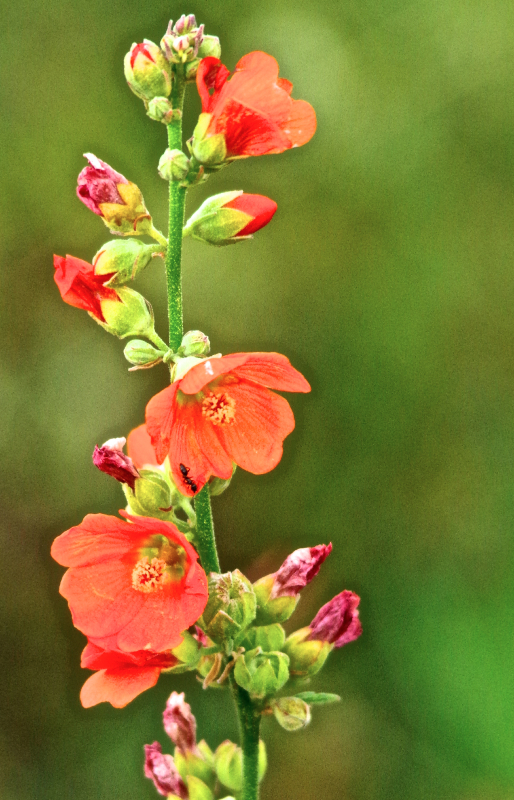
Malvaceae - Mallow This family is well known for its demulcent qualities and is very widely used by most herbalists. Commonly used herbs and food: Marshmallow (Althea officinalis) Globe mallow (Sphaeralcea) - common at many elevations in the Southwest Malva neglecta - common mallow or cheese wheel Hibiscus Hollyhock (Alcea spp.) Okra See More
Anacardaceae for Herbalists
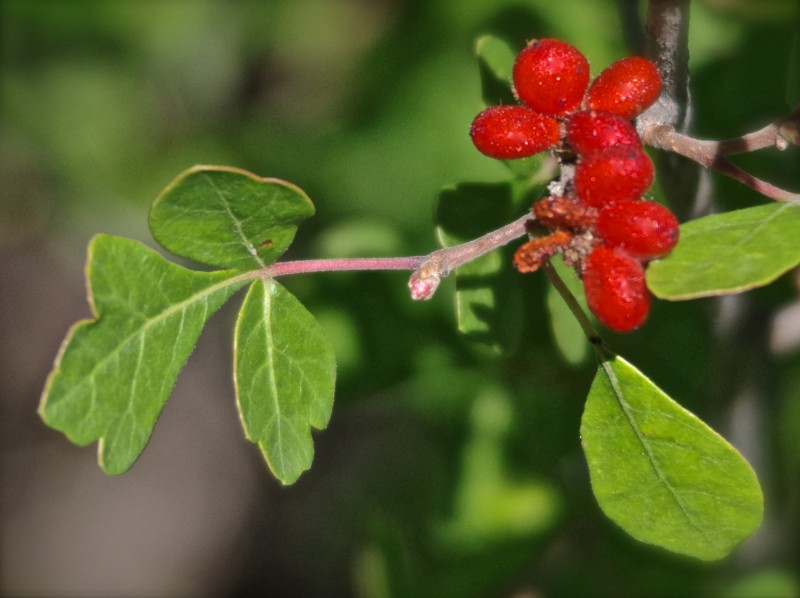
Anacardaceae - Commonly known as the Cashew or Sumac Family Plants in this family can be poisonous, medicinal or edible Some edibles are: Cashew Mango Pistachio The Toxicodendron genus includes poison ivy, poison oak and poison sumac. These plants all contain urushiol oil which gives the leaves a waxy look and causes the infamous itch and skin irritation. Sumac (Rhus spp.) - Staghorn sumac is more tree-like and is commonly found in disturbed soil at many elevations in the Southwest. The most widespread native sumac between 4,000' and 7,000' is Rhus trilobata which has astringent leaves and edible berries. See More