
Interest in wild foods has been steadily growing over the past several years, both in the herb community and in the mainstream culture. In this article, I will be sharing background information and guidelines that have been helpful in my own ongoing journey of being a modern day forager.
Learning the lifestyles of our long ago ancestors has been especially helpful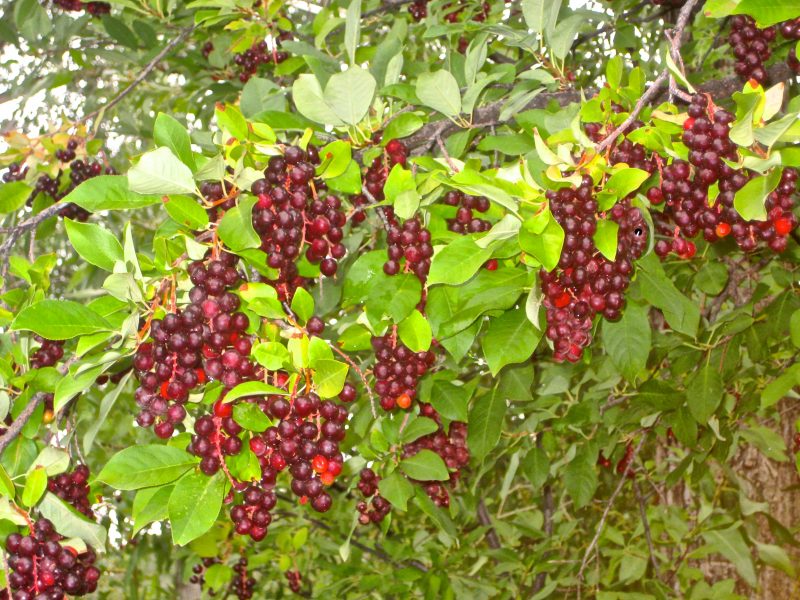 in this area. They ate wild food out of necessity rather than by choice. They had a time-tested way to survive and thrive long term and much of this information is still applicable today. Hunter-Gatherers are in all our family trees. Go back far enough and we are all descended from nomadic, hunting and foraging stock. Our ancestors lived on wild food and did it quite well, or we wouldn’t be here today. In fact, the #1 question to answer when exploring this topic is, “What did the pre-agricultural people in your area use for food?”.
Traits of the Hunter-Gatherer Lifestyle
Individual v. Group Collecting
Many people today have the desire to go off by oneself and live off the land, to leave behind the stressful modern world. While this may be possible short term for someone in good health, in the right season, who knows the landscape intimately, it is also very challenging.
Our ancestors lived and worked in small groups of 15-30 people. They had strong bonds, based on cooperation. Experience taught them that working within a community led to more success than the solo route. Pooling the group’s knowledge, skills, and energy was much more workable long term than going it alone. This is in direct contrast to the individualism so prevalent in our current culture.
Nomadic v Settled
Another major difference between us and our ancestors is that food is brought to us while our ancestors had to move to where the food resources were.
 With the internet, one can order olive oil from Italy or seaweed from Japan and have it delivered to the front door. Very few people travel further than the nearest supermarket for food acquisition. Some modern day foragers make the mistake of thinking that one should be able to gather long term food sources from any one location.
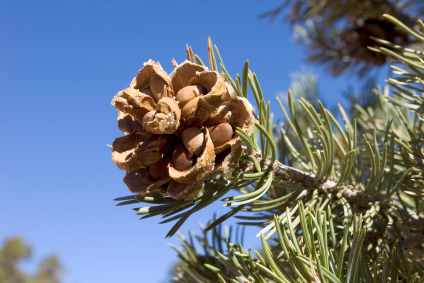
Most people who have gathered long term have found it necessary to be nomadic, to travel to where the food resources are. This often involves changing elevation or traveling north-south in a way that one enters a different life zone or climate. An example in Arizona is the availability of mesquite below 4,000′, pinyon nuts from 4,000′ – 7,000′ and acorns from the Gambel oaks in the 6,000′ – 8,000′ range.
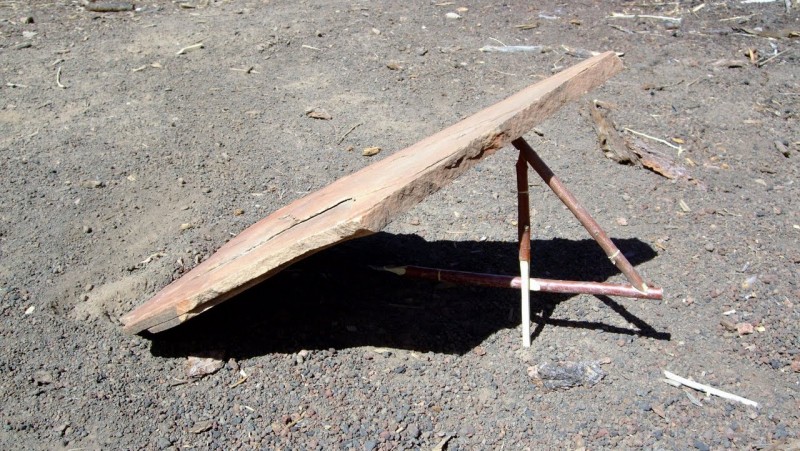
A figure 4 deadfall, used to trap small game.
Micro v Macro Nutrients
Micronutrients include leaves, flowers, berries and other fruits. These are good choices to begin an exploration of wild foods. They are often abundant, easy to find and pick and have a pleasant taste. In addition, they are high in vitamins, minerals, anti-oxidants and flavonoids; all important for long term health.
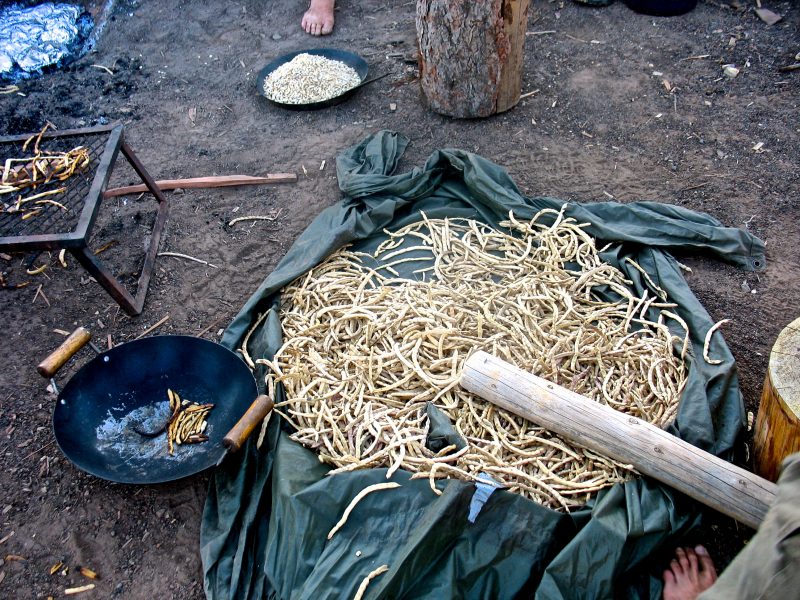
The major limitation is they tend to be low in calories and aren’t true staple foods. Previous generations realized the importance of food sources that provided the macronutrients of protein, fat and carbohydrates. Regionally, these include tree nuts, mesquite beans, yucca fruit, cattail roots and animal products. Although many people regard the American Southwest as having scarce food resources, these regional foods are often seasonally or locally abundant. Typically, hunter-gatherer cultures had a few staples from the macro category and many foods from the micro group, gathered whenever and wherever they were available.
 Animal Competition for Plant Food
Ideally, a wild food is tasty, nutritious and easily harvested. One point to remember is that these same characteristics make the food desirable to other animals. Previous generations struggled with birds and rabbits just as many gardeners do today. Many is the time I went to harvest Sumac berries only to find the bushes already picked clean. It is good to remember the animals depend on these food sources more than we do for staying alive.
Having Intimate Knowledge of One’s Regional Landscape
This is especially important in arid climates where food sources are often marginal and depend on timely monsoon rains or an abundant snowpack. Instead of simply wandering randomly through forests and canyons, it is good to know the ins and outs of what one considers “home”.
I encourage people to learn the landscape and plants within 50 miles of home. This is an arbitrary number. For some, it might be 5 miles. For others, it may be 500 feet. The goal is to become acquainted with the springs, the north facing slopes, the lusher drainages, the food availability in rocky soil, in full sun and in different seasons. This is an ongoing study that can take on a life of its own for a dedicated forager. This type of information was accumulated by ancient peoples over many generations.
Taking all this into account, I think that long term food gathering, whether from animals or plants, was the biggest challenge of our ancestors.
Modern Day Challenges to a Foraging Lifestyle
While gathering sufficient calories and nutrition is a challenge in any time period, there are modern day barriers to this process that ancient peoples did not have to address.
Today there are:
- more people which means a reduced area of natural environments
- more laws and restrictions from private property and federally protected land such as National Parks
- more toxins, especially for the many ‘weeds’ that are so delicious and abundant. These are often sprayed with poison or grow near roadsides and need to be avoided.
- a loss of land-based knowledge and connection to nature. Many people are lost (in many ways) outside of a familiar suburban or urban environment.
Guidelines for Determining the Usefulness of a Wild Food
Our food must provide more calories and nutrition than is required to harvest and prepare. With that in mind…
- Foods must be abundant and easily found. Walking several hours to collect a small basket of berries does not work for the long term. Plant gathering is easier than hunting because plants don’t run away or dangerously fight back. Still, there needs to be a certain level of population density for a particular genus or species to be an ongoing part of the diet.
- Where does this food fit into the macro – micro nutrient grouping? Remember, both groups are needed for long term health.
- Is the food merely edible or actually palatable? This was a big revelation when I first began tasting some of the plants that looked so delicious in the field guides. Regardless of the abundance or nutritional value of a plant, people will be very reluctant to make it a major part of the diet if the taste is unpleasant. Isn’t it interesting how we, as adults, expect our children to eat something simply because it is good for them, even if they don’t like it? Yet, when was the last time we did this ourselves, as an adult?
Palatability is a separate issue from people gradually getting used to the flavors of nature after being raised on processed foods. Many people initially are turned off by the increased fiber or slight bitterness of wild greens when they have eaten nothing but iceberg lettuce for years. This transition takes time to accomplish but is well worth the effort.
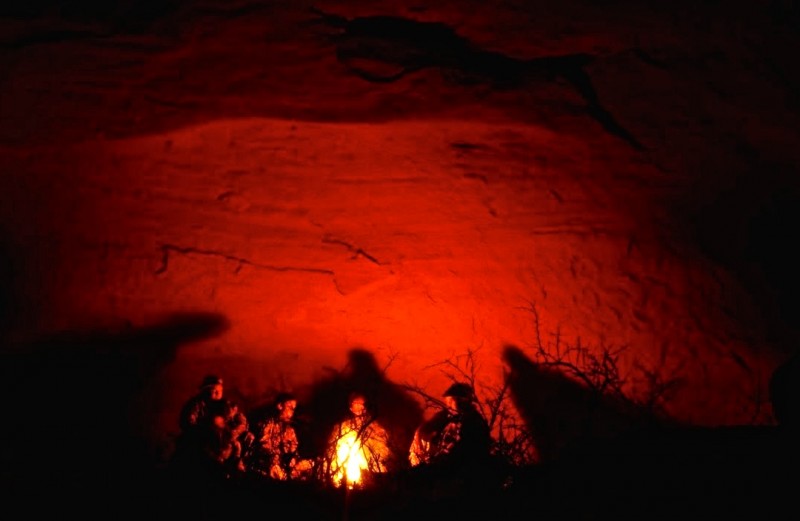
Fire has long drawn humans together, building community and encouraging the passing of oral stories.
Knowledge Base for a Person Who Wishes to Use Wild Food
Be 100% positive of the plant identification before putting it in your mouth. There are many lists of rules and guidelines, often from old military survival manuals, that can be dangerous in this area. They give the impression that one can walk into a totally foreign environment, without any previous knowledge of the local flora, and begin safely eating wild foods.
The process is usually described along the lines of: deciding which plants are poisonous or edible by visual cues; then progressively smelling, touching, tasting, nibbling, chewing and eventually swallowing a specific plant, while looking for any unpleasant reactions in the body. Except for one source, every list I have seen has significant safety flaws. The one book that was accurately written had a list so long it would be impossible to remember in the field.
The best way to stay safe is to learn the individual plants in your area. Learn them from someone who has actually harvested and eaten them for a long time. There is no substitute for local knowledge and face to face learning. Remember: If there is a doubt regarding the ID), then there is no doubt (don’t eat it).
Another safety aspect is to learn which plants are toxic, especially the deadly ones. A regional example is water hemlock, which is quite common along the streams of the Southwest.
Where is the specific plant species found? This may include the elevation range, water needs, north or south facing slopes, shade or sun, companion plants or disturbed soil.
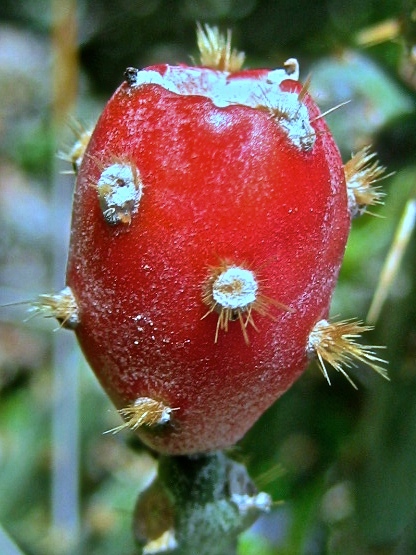
How is the plant harvested or prepared? Picking wild blackberries may seem fairly straightforward. Harvesting cactus fruit or pads can be a painful experience if not done in the right way. This is another reason to learn face to face from someone who has hands on experience.
In which season is the plant edible? I have met many people who read about the benefits of pinon nuts, then go into the forest in April and expect to bring home a bagful of nutrition. Our region is seasonally abundant but often has narrow harvest times. A stretch of open desert can look barren in the heat of the summer yet have great quantities of wild greens in the early spring.
The final essential skill for a modern gatherer to have is to know how to harvest sustainably. Harvest with the long term in mind. Harvest in a way that your grandchildren, several generations down the line, will also be able to do. This may mean not harvesting at all during a drought or if the plant population is stressed in any way. Having the knowledge for foraging does not give us the right to forage.
Digestive Issues
All the food currently available in our supermarkets was initially derived from wild foods. During the generations of cultivation, domestication and selective breeding, our greens and fruits have changed dramatically. Usually, modern produce has become less bitter, more sweet, and has reduced fiber. Putting a wild food into a domesticated stomach has the potential to be quite stressful. Overdoing it can cause gas, cramps, bloating and a whole range of other unpleasant digestive issues.
Once positive plant identification has been made, the key is to nibble at first, then gradually build up. Slowly and consistently integrate the local wild flora into your diet, over many months. As an example, an excellent way to bring wild greens into your diet is to add them in equal portions to store bought or garden raised salad fixings. Everyone acclimates differently and has individual tolerance levels.
Where to Begin
Feeling overwhelmed is not unusual when first delving into the field of wild edibles. The many books available have several dozens of plant photos sprinkled through hundreds of pages. In actuality, most environments have 10-20 plants that are staples for that specific area. Learning how to use a handful of greens, a few berries and some heartier tree nuts is very doable, even for folks not experienced in botany or the outdoors.
Included below are foods that are found within 50 miles of our school in northern Arizona. Many of them, especially the greens, are surprisingly common throughout the world. You need to be introduced to these in the field before you harvest on your own.
Micronutrients
High in vitamins and minerals but not substantial enough to be a dietary staple
Many berries including:
- Rhus trilobata (sumac berries)
- Rubus spp. (blackberries and raspberries)
- Celtis reticlulata (hackberry)
- Ribes aureum (currant)
Wild Greens
For an outstanding article on the many ways to prepare these, see “Piles of Greens” by Loba in the Plant Healer Magazine, Vol II, Issue III, page 209. It is absolutely the best writing I have ever seen on this topic.
- Goosefoot, lambsquarters or wild spinach (Chenopodium album and Chenopodium spp.)
- Dandelion (Taraxacum officinalis)
- Purslane (Portulaca oleracea)
- Amaranth (Amaranthus spp.)
- Nettles (Urtica dioica)
- Watercress (Nasturtium officinale)
- Nodding onion (Allium cernuum)
- Opuntia engelmannii and Opuntia spp. (Prickly Pear fruit)
Macronutrients
Plants that are higher in protein, fats and carbohydrates and can be used as a dietary staple:
- Yucca fruit (Yucca baccata)
- Acorns (Quercus gambelii and Q spp.)
- Pinyon nuts (Pinus edulis)
- Cattail roots (Typha latifolia)
- Mesquite beans (Prosopis juliflora)
- Prickly pear pads (Opuntia engelmannii and Opuntia spp,)
An excellent resource for mesquite and Opuntia gathering and preparation is
www.desertharvesters.org
For those of you wondering why you should make the effort to enter this field, consider the following:
Benefits of foraging and integrating wild food into your diet
- It is organic and higher in nutrition than grocery store produce
- It is free
- It connects one to nature and the landscape
- It builds community