
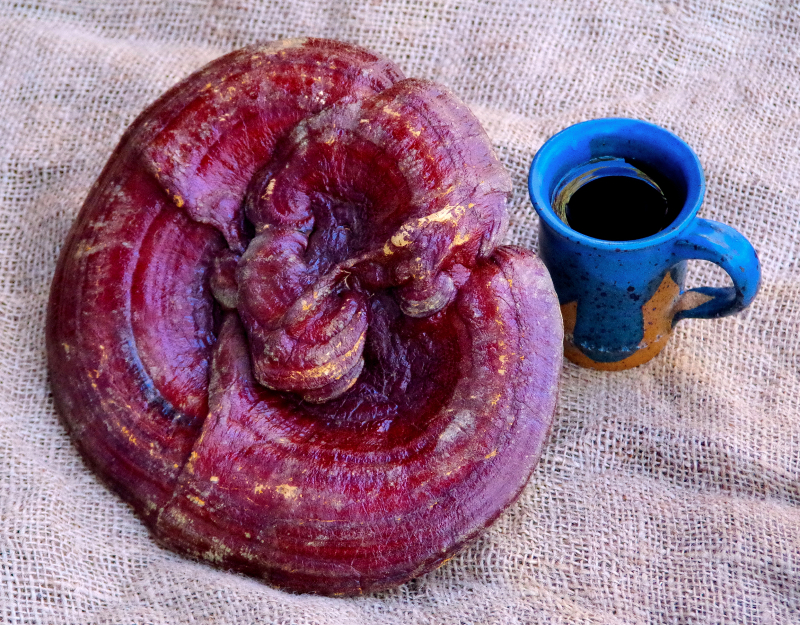
Tea
Teas are water-based beverages made from either steeping or simmering herbs in water. They are the oldest, most common and traditional form of using herbs.
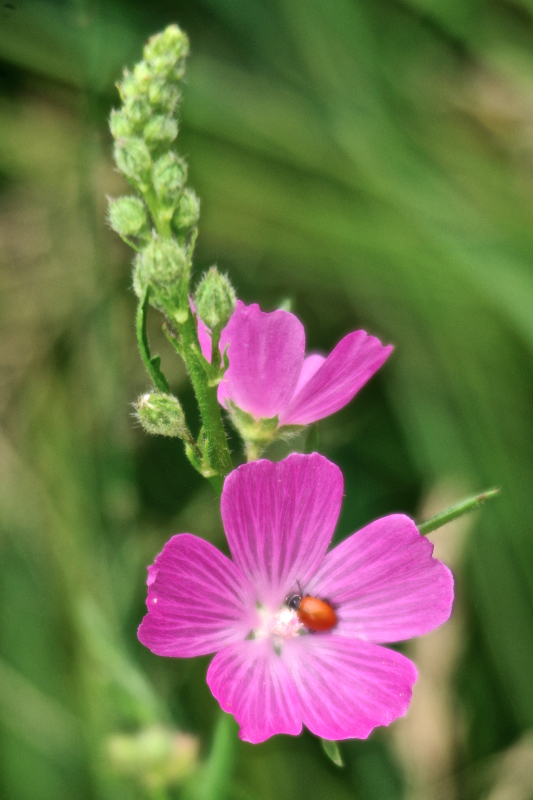
Checker Mallow
(Sidalcea neomexicana )
Pros of Using Teas
- They are easy to prepare at home so they are useful for home-based healthcare.
- Water-extracted herbal constituents are generally safer to use. Many of the strongest and borderline toxic ingredients in plants are alkaloids. These constituents are usually better extracted in alcohol than water.
- Making tea from bulk herbs is a more affordable way to prepare herbs than using alcohol to make tinctures.
- Taking the time to make tea each day can be a healing ritual. It helps one to slow down and have direct interaction with the herbs.
- Drinking tea allows one to taste the herb which part of the therapeutic effect
Cons of Using Teas
- Water has no preservative quality so the tea must be made at least every other day and refrigerated
- Taking the time to make tea each day is time consuming and not nearly as convenient as a tincture or capsule. This may make compliance an issue
- Some herbs have a strong and unpleasant taste. While the taste may be part of the therapeutics, it can make compliance an issue. This is especially true for children.
Tincture (alcohol extract)
Tinctures are concentrated herbal extracts made with a combination of alcohol and water. They are usually sold in one or two ounce bottles with dropper lids. They are commonly available in health food and herb stores and easily prepared at home.
Pros of Using Tinctures
- Alcohol preserves the herbal extract. Depending on the herb(s) used, the extract may be potent for many years. I am currently using a hops tincture I made in 1996 that is still quite effective. Each herb used needs to be researched as a few plants lose potency within 1-3 years, even in alcohol.
- The alcohol carries the therapeutics of the plant directly into the blood stream, bypassing the digestive system. The effects of the herbs are felt more quickly, which is good for acute conditions.
- The extract is made ahead of time and can be easily carried in a purse, toolkit or book bag. Taking a dose of the herb involves nothing more than a squirt of the dropper into one’s mouth. This is much easier and simpler than preparing tea two or three times a day.
- From a chemistry perspective, some plant constituents are water soluble and others are alcohol soluble. Using the alcohol-water combination allows for a more complete extraction of the constituents.
- Because of the concentration of this type of preparation, the actual amount taken with each dose is relatively small. Many times 30-60 drops are used. This makes even a bad tasting herb, like hops, more palatable than drinking an entire cup of tea.
Cons of Using Tinctures
- Alcohol has a warming energy on the body. If someone already has an excess heat condition, such as hot flashes, a tincture may exacerbate this condition.
- Some people do not use alcohol for a variety of reasons. These reasons may be cultural, religious, health or simply personal. Even though the actual amount of alcohol is small, don’t use tinctures in these situations. There is always an alternative.
- Some plants are better ingested as a tea because of the constituents. This is especially true for getting minerals and polysaccharides from an herb or for the demulcent effect of slippery elm and marshmallow. Tinctures do not work well in these cases.
- Transforming a plant from a dried bulk herb into an alcohol extract makes it much more expensive. As one of the benefits of herbal medicine is its affordability for the general population, this is not good.
As you can see, the optimal method of preparation needs to be considered for each plant. A wonderful resource for determining this is a manual by Michael Moore. In it, he informs the reader which part of the plant to use, how much to use and the best way, in his opinion, to prepare the plant. This booklet can be downloaded free here.